Italy Suspends Schengen Arrangements with Spain After Ceuta Migration Surge
Rome announced the move after nearly 60,000 migrants crossed into Spain's North African enclave of Ceuta, intensifying political tensions across Europe over border security.
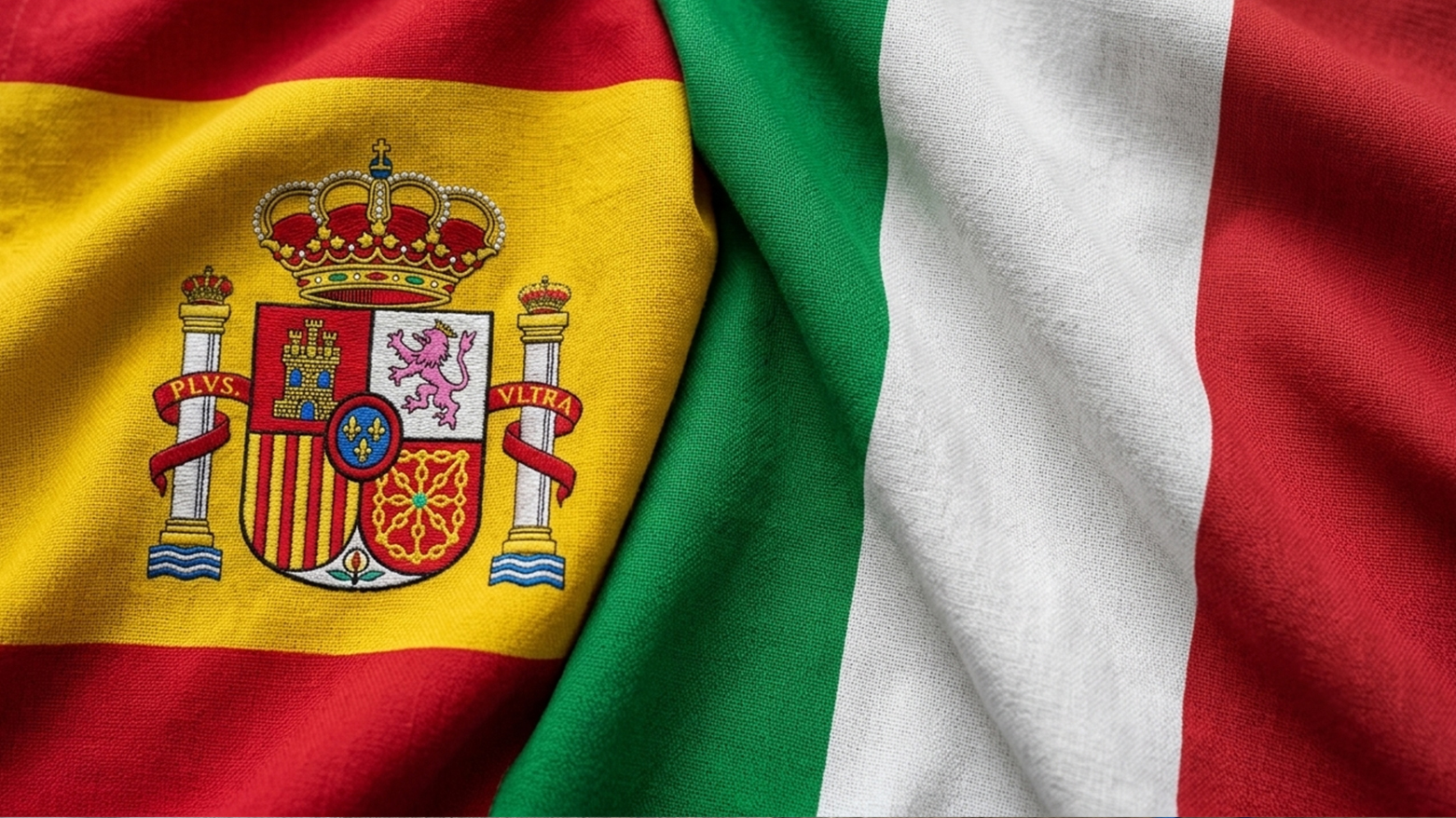
ERBIL (Kurdistan24) - Italy on Friday announced the formal suspension of Schengen arrangements with Spain, becoming the first European country to take such a step in response to the unprecedented migrant influx into the Spanish enclave of Ceuta.
The decision came after nearly 60,000 migrants crossed from Morocco into Ceuta in just 24 hours, triggering one of the European Union's most significant migration crises in recent history.
In a statement issued on Friday, the Italian government said it had decided to suspend the operation of the Schengen free movement system with Spain in response to the sudden migration crisis in Ceuta, located on the northern coast of Africa.
Italian Prime Minister Giorgia Meloni said the developments in Ceuta demonstrated that illegal migration posed "a real threat" to Europe's external borders.
"The scenes in Ceuta are shocking and prove that illegal migration is a genuine threat to the security of Europe's borders. Italy will not remain silent and is prepared to take extraordinary measures to defend its borders, including suspending Schengen travel arrangements with Spain," Meloni said.
Finnish Interior Minister Mari Rantanen supported Italy's stance, arguing that Spain had failed to protect the European Union's external border.
"Spain has completely failed to protect Schengen's external borders, and countries that do not fulfill their responsibilities should not remain part of the Schengen system," Rantanen said.
The unprecedented wave of migration saw nearly 60,000 people enter Ceuta within 24 hours, equivalent to more than half of the enclave's population of approximately 84,000.
According to Ceuta regional president Juan Jesús Vivas, many migrants reached the enclave by swimming around the coastal barriers or climbing the 10-meter border fence separating the Spanish territory from the Moroccan city of Fnideq.
Vivas said Spanish security forces were overwhelmed by the scale of the influx and that at least 34 migrants died from drowning or falling while attempting to cross.
The report said tensions between Spain and Morocco escalated after Madrid signed a major natural gas agreement with Algeria, Morocco's principal regional rival.
According to the report, analysts believe Morocco's decision not to prevent the mass crossings was intended to increase pressure on Spain.
The report also noted that a Spanish Supreme Court ruling issued last month barred the rapid return of migrants intercepted while swimming or rescued at sea, further complicating the authorities' response.
According to Spain's Interior Ministry, by Friday evening nearly 48,000 migrants had voluntarily returned to Morocco through official procedures.