Kurdish Mountain Honey Reflects a Living Tradition Shaped by Nature and Craft
Authentic honey from the Kurdish highlands showcases generations of beekeeping expertise, while renewed rainfall has revived ecosystems, strengthened bee colonies, and reinforced one of the Kurdistan Region's most treasured natural products.
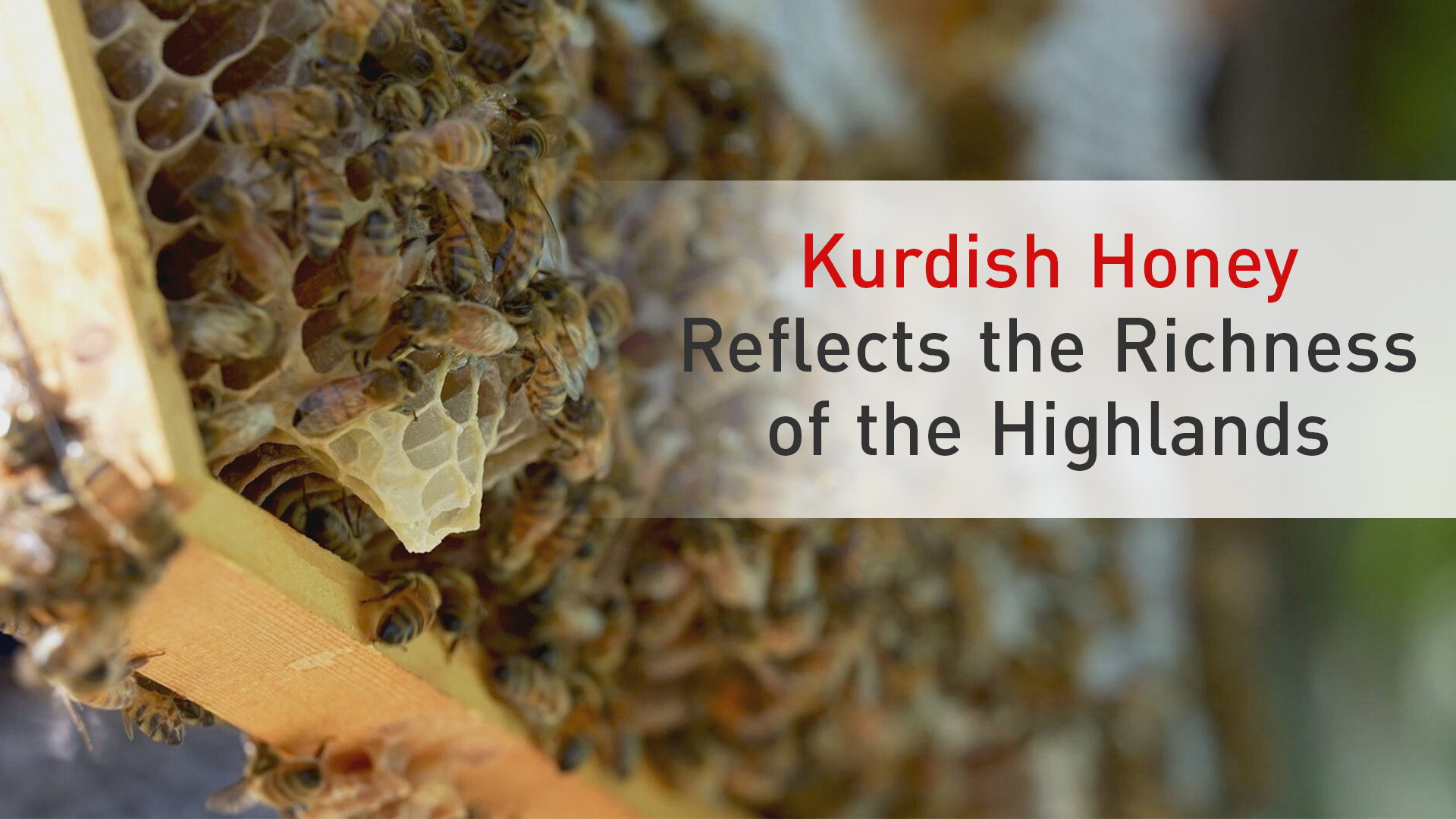
ERBIL (Kurdistan24) - The steady hum of bees carries across the Kurdish mountains long before the first honeycomb is lifted from its hive. Amid slopes blanketed with wild blossoms and fresh greenery, beekeepers move deliberately between rows of wooden apiaries, reading subtle signs that reveal when months of patient work have reached their reward. Here, honey is more than a seasonal harvest. It is the culmination of a relationship between the land, its biodiversity, and generations of craftsmen who have learned to work in harmony with nature.
For veteran beekeeper Osman Majid Ahmed, that relationship has defined much of his life.
An apiculture specialist who oversees professional apiaries dedicated to breeding and expanding bee populations across the Kurdistan Region, Ahmed describes beekeeping not simply as an occupation but as a lifelong partnership built on trust and experience.

"For over 40 years, I have shared my life with them," he told Kurdistan24's correpondent Dalia Kamal while gently handling a cluster of bees with bare hands. "We have reached a mutual understanding—they do not turn their anger toward me."
His confidence reflects decades spent understanding the rhythms of the hive. Watching bees construct their own wax combs before filling them with honey remains, he says, one of the most remarkable expressions of nature's precision. Harvesting begins only after that process has run its course, preserving the integrity of a product that many local producers regard as one of Kurdistan's finest natural treasures.

Authentic Kurdish mountain honey owes its character to the environment from which it emerges. Bees forage across diverse landscapes rich in wild herbs, flowering shrubs and native plants, gathering nectar shaped by the varied ecosystems of the region's mountains and valleys. That biodiversity gives the honey its distinctive qualities while reinforcing the close connection between healthy landscapes and successful beekeeping.

Ahmed says the work demands far more than maintaining hives. It requires understanding bee behavior, seasonal changes and the delicate balance necessary to keep colonies thriving.
"In Kurdish folklore, people often say bees can be aggressive," he explained. "But it truly comes down to the skill of the beekeeper. Knowing how to manage them so they remain calm is a craft that requires deep experience."

His observations underscore a tradition handed down through generations, where practical knowledge is accumulated slowly through years spent working alongside the insects rather than attempting to control them.
That relationship has taken on renewed significance following a remarkable recovery in the Kurdistan Region's natural environment.
After several years marked by drought, abundant rainfall transformed much of the landscape this season, replenishing water sources and restoring vegetation that serves as the foundation of healthy bee colonies. The improved environmental conditions translated into one of the strongest honey harvests in recent years, offering relief to producers who had struggled through successive seasons of declining yields.

For beekeepers, however, abundant honey is only part of the story.
The revival of flowering plants across the region meant colonies could draw nectar from a wider variety of natural sources over an extended period. Stronger hives and healthier bees became visible signs that ecosystems damaged by prolonged dry conditions were beginning to recover.
Ahmed said the difficult drought years tested producers across Kurdistan, forcing many to devote additional effort simply to maintaining their colonies. The return of consistent rainfall, he suggested, restored not only productivity but confidence that the landscape itself was recovering.

That perspective reflects a broader understanding shared by many within the sector: thriving bees are indicators of environmental health. Their success depends upon flourishing vegetation, clean water and stable ecological conditions, making the apiary an informal measure of the land surrounding it.
The renewed harvest also highlights the wider importance of protecting Kurdistan's honey industry.

Beyond its commercial value, beekeeping supports rural livelihoods while helping sustain biodiversity through pollination. The preservation of healthy bee populations contributes to agricultural productivity and reinforces ecosystems upon which countless plant species depend.
Ahmed believes safeguarding that heritage requires collective commitment.
"It is essential that all the people of Kurdistan work together to protect this industry," he said. "We can take immense pride in producing the finest honey in the world and sharing it with every corner of the globe."

His confidence reflects growing optimism among local producers, who see increasing opportunities for authentic Kurdish honey to strengthen its reputation both within Iraq and in international markets. Maintaining that reputation, they argue, depends upon preserving traditional craftsmanship alongside the natural landscapes that make the product distinctive.
As another harvest season unfolds across the Kurdish highlands, the quiet activity surrounding each hive tells a story extending far beyond honey itself. It speaks of patience refined over decades, of communities whose livelihoods remain closely tied to the rhythms of nature, and of landscapes capable of renewal after years of hardship.

For Kurdistan's beekeepers, protecting authentic mountain honey ultimately means protecting something larger: the biodiversity that sustains the bees, the rural traditions that sustain communities, and a living cultural heritage that continues to transform the richness of the Kurdish highlands into one of the region's most celebrated natural gifts.
