Iraqi PM Orders Emergency Security Measures to Prevent Attacks on Neighboring States
Al-Zaidi Says Iraqi Territory Must Not Be Used as Launchpad for Cross-Border Threats, Orders Joint Security Committee
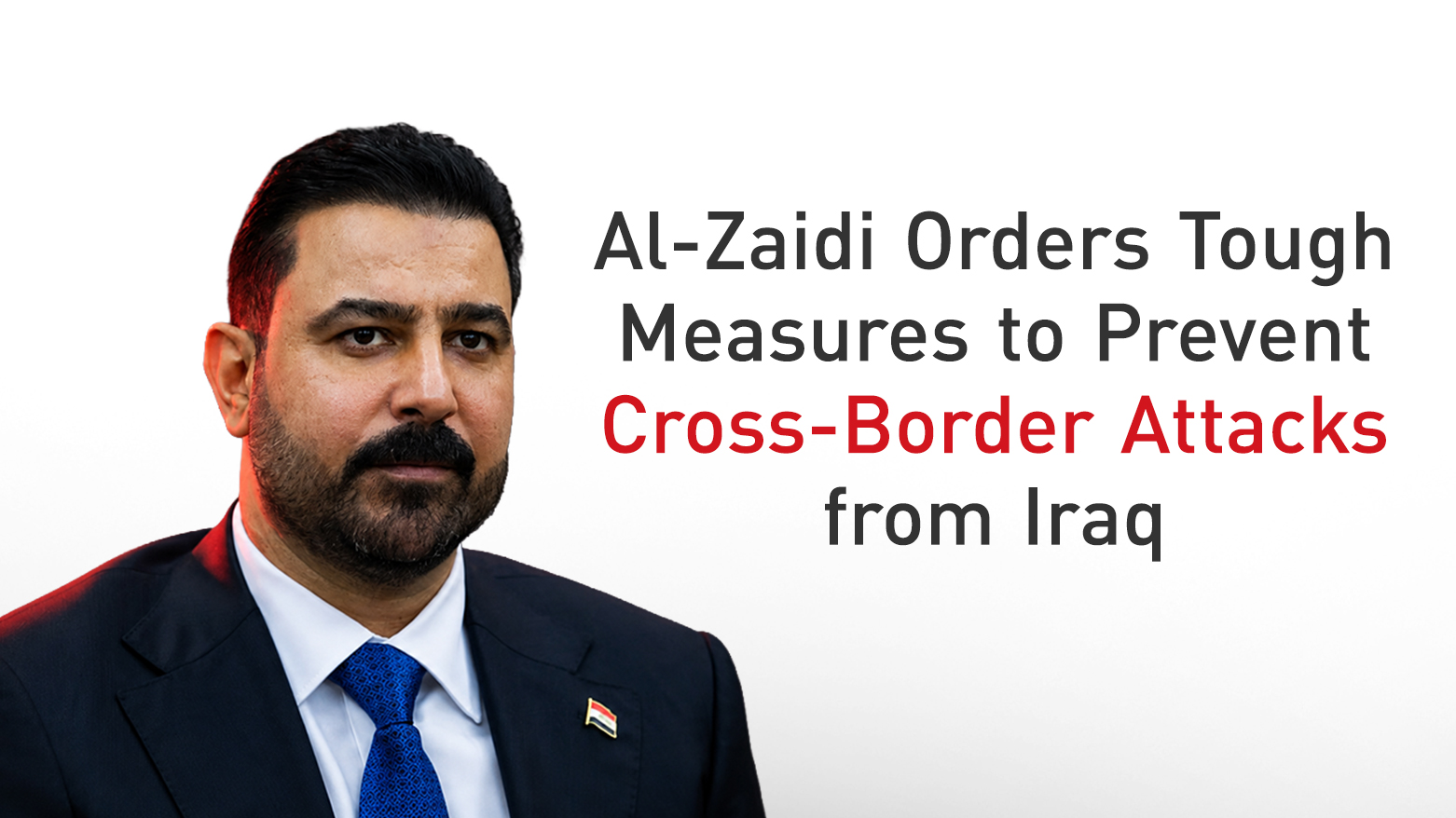
ERBIL (Kurdistan24) — Iraqi Prime Minister and Commander-in-Chief of the Armed Forces Ali Falih al-Zaidi chaired an emergency security meeting late Saturday to address escalating regional tensions, ordering stronger measures to prevent any attacks or threats against neighboring countries originating from Iraqi territory.
According to a statement from the Prime Minister's Media Office, al-Zaidi stressed that Iraq must not allow its territory to be used as a launchpad for hostile acts against neighboring states and directed security agencies to enforce the law while safeguarding the country's sovereignty and regional obligations.
During the meeting, the prime minister ordered the formation of a joint security committee to address emerging security challenges and develop deterrent mechanisms to prevent similar incidents or any future breaches.
Al-Zaidi also instructed Iraq's security and military institutions to strengthen security and stability while fully carrying out their responsibilities to protect national sovereignty and uphold the principles of good neighborly relations.
The statement said the meeting reaffirmed the readiness of Iraq's armed forces to thwart any attempt to target neighboring countries from within Iraqi territory.
It also reiterated Baghdad's commitment to ensuring that Iraq is not used as either a launching point or transit route for attacks against "brotherly and friendly countries," in line with its responsibility to preserve national sovereignty and respect international law.
The emergency meeting comes amid heightened regional tensions following an escalation in military confrontations involving the United States, Iran, and Tehran-backed armed groups across the Middle East.
In recent weeks, Iraqi authorities have repeatedly faced pressure to prevent Iran-aligned militias operating inside the country from launching attacks against neighboring states or foreign military interests.
Baghdad has consistently maintained that it seeks to keep Iraq out of regional conflicts while preserving balanced relations with neighboring countries and international partners.
Iraqi officials have repeatedly affirmed that the government is committed to exercising full authority over the country's territory and preventing any actor from using Iraq as a platform for cross-border attacks that could further destabilize the region. However, Iran-backed armed groups operating outside the Iraqi government's direct control have continued to launch drone and rocket attacks targeting neighboring countries as well as U.S. forces and interests in Iraq and elsewhere in the Middle East, highlighting the persistent challenge Baghdad faces in enforcing its authority over all armed factions.