Amedi Begins Restoration of Great Mosque and Five Historic Sites
A six-site restoration initiative supported by the French Consulate seeks to protect Amedi's historic landmarks while strengthening the town's cultural and tourism appeal.
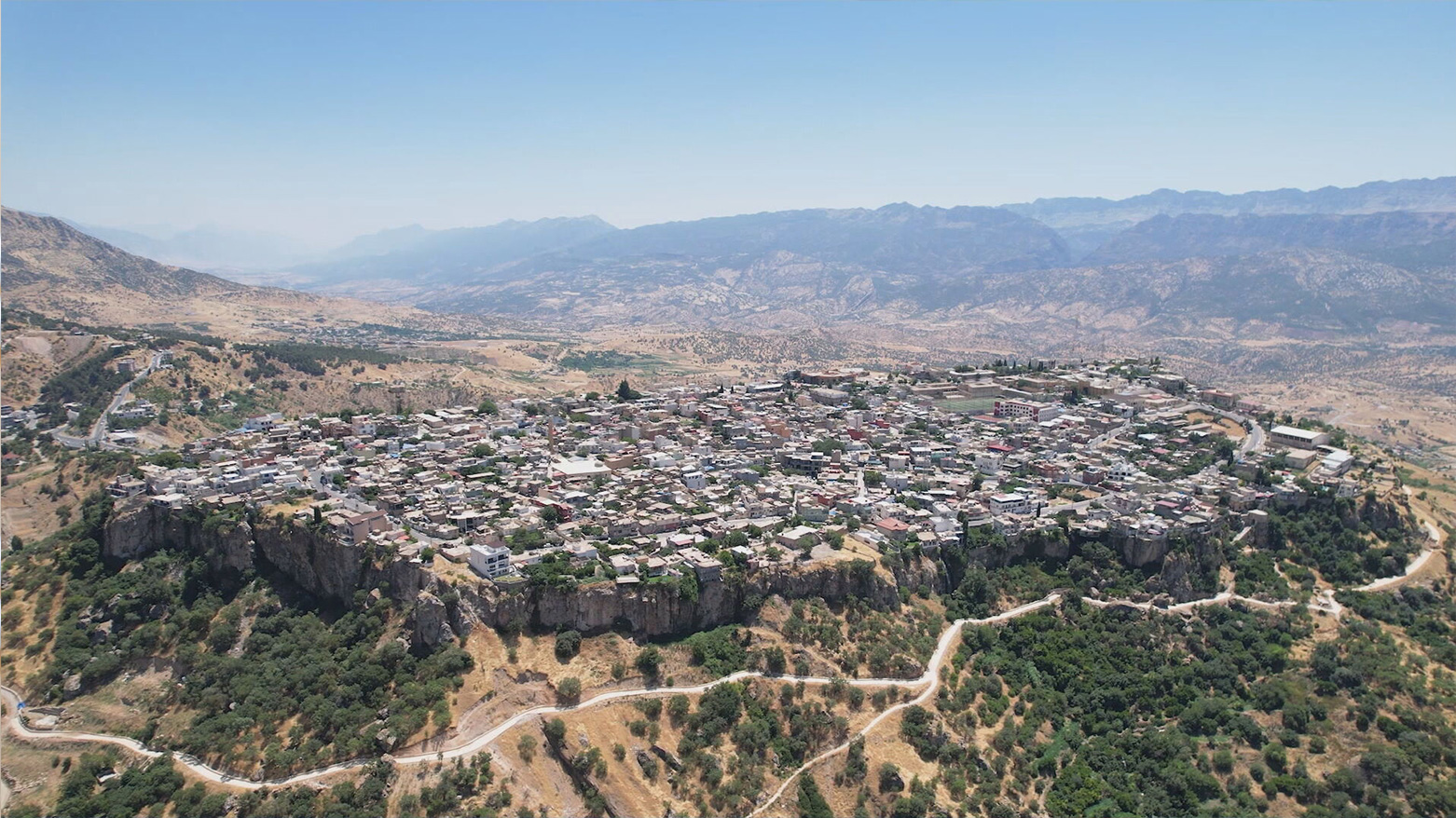
ERBIL (Kurdistan24) - Restoration work has begun on six historic sites in Amedi District as the French Consulate General in the Kurdistan Region and local authorities work to protect the town's architectural heritage from further deterioration.
The project, reported by Kurdistan24 reporter Bewar Hilmi, includes the Great Mosque of Amedi and its minaret, landmarks whose history dates to the 12th century. The initiative also covers Qubahan School, the ancient Synagogue of Amedi, the Tombs of the Sultans and a sixth site that was not identified in the report.
The current restoration effort follows earlier renovation work at some of the sites. Local officials and specialists say previous interventions were carried out without sufficient expertise in historical restoration, resulting in changes to elements of their original architectural character.
Restoring Amedi's historic landmarks
The Great Mosque and Minaret are among the principal focuses of the current project. Their restoration is intended to address deterioration while preserving the architectural features that reflect their historical development.
Archaeologist Khalid Amedi told Kurdistan24 that some interpretations of the sites' history trace elements of their origins to Assyrian or Zoroastrian periods. He also highlighted the later history of the minaret, describing it as an important architectural feature with considerable historical value.
The restoration initiative, supported by the French Consulate, is intended to provide a more historically informed approach to the landmarks rather than simply repairing their existing structures.
Amedi Mayor Warshin Salman said the six sites were selected because of their importance and the need to prevent further deterioration. He identified the Qubahan School, Great Mosque, synagogue and Tombs of the Sultans among the locations included in the project.
Preserving an ancient architectural identity
The project comes as local authorities seek to maintain Amedi's distinctive historic character while addressing the risks posed by age and previous alterations.
Amedi has 57 registered historical sites, according to the Kurdistan24 report, giving the district an unusually concentrated collection of archaeological and architectural landmarks.
The restoration of the Badinan Gate in 2023, backed by the United States, was an earlier effort to preserve one of the town's notable historic structures.
The latest project builds on those efforts by extending restoration work to several additional sites.
Heritage preservation meets tourism
Local authorities see the restoration not only as a way to protect historic structures but also as part of a broader effort to develop Amedi as a destination for visitors.
The initiative therefore combines two objectives: maintaining sites that reflect the town's cultural history and making them more suitable for future tourism.
For Amedi, the restoration of the Great Mosque, minaret and other landmarks offers an opportunity to address years of deterioration while retaining the architectural identity of one of the Kurdistan Region's most historically significant towns.