Trump Seeks Compensation from Iran in Any Future Peace Deal
“I am likewise demanding compensation from Iran, for all of the people that they have killed and gravely wounded with their roadside bombs and many conflicts,” Trump said in a post on Truth Social.
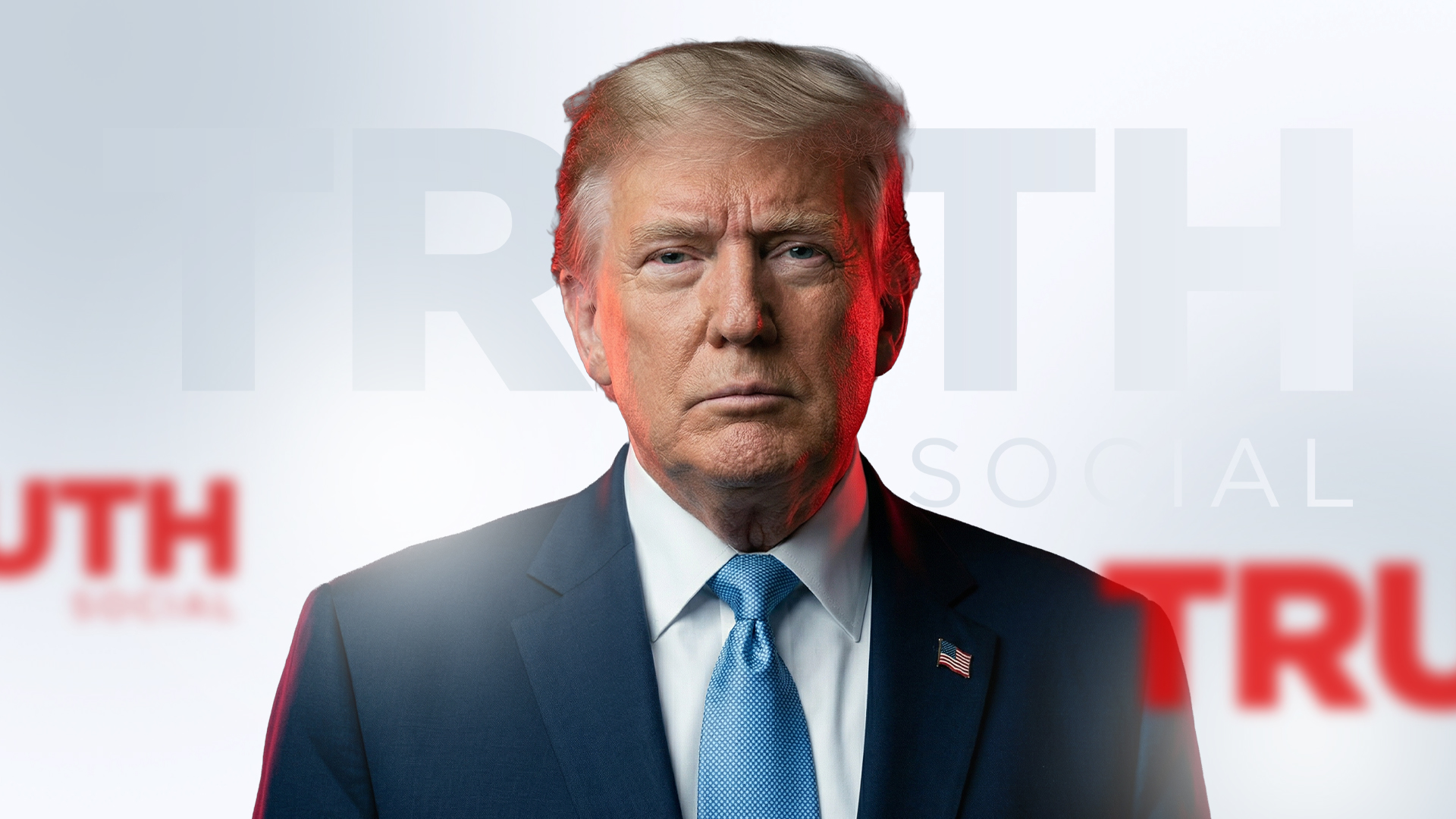
ERBIL (Kurdistan24) — U.S. President Donald Trump said Monday that he would seek compensation from Iran as part of any future peace negotiations, citing decades of attacks and violence he says Tehran supported or carried out.
“I am likewise demanding compensation from Iran, for all of the people that they have killed and gravely wounded with their roadside bombs and many conflicts,” Trump said in a post on Truth Social.
Trump said Iran was seeking compensation for damage it suffered during the five-month military conflict, arguing that the United States should make similar demands. He also cited the 2000 bombing of the USS Cole and called for compensation for the families of what he described as “hundreds of thousands” of Iranian protesters killed over the past 50 years.
“I have instructed my representatives to put this firmly into any, and all, future negotiations,” Trump said.
The comments came a day after Trump said he was “low-keying” his approach to the conflict, signaling that he could rely more heavily on economic pressure rather than launching further military strikes.
Trump has repeatedly threatened to escalate military action against Iran before subsequently suggesting that a diplomatic agreement could be close. Last week, he warned Iran that it could be hit “very hard,” including potentially against civilian infrastructure.
According to Axios, Trump did not express frustration with Iran’s delay in reaching an agreement to reopen the Strait of Hormuz during an interview published Sunday.
Tehran has demanded that Washington first end its blockade of Iranian ports and lift sanctions on Iran’s oil industry.
Negotiations over the strait have stalled, while its closure by Iran has disrupted global energy markets and driven up fuel prices, increasing economic and political pressure on the Trump administration ahead of the November midterm elections.