Türkiye Passes Peace Framework as Pervin Buldan Calls for Lasting Democratic Settlement
DEM Party deputy speaker says parliament's vote reflects years of struggle for peace as Ankara advances limited legal measures for PKK-linked cases.
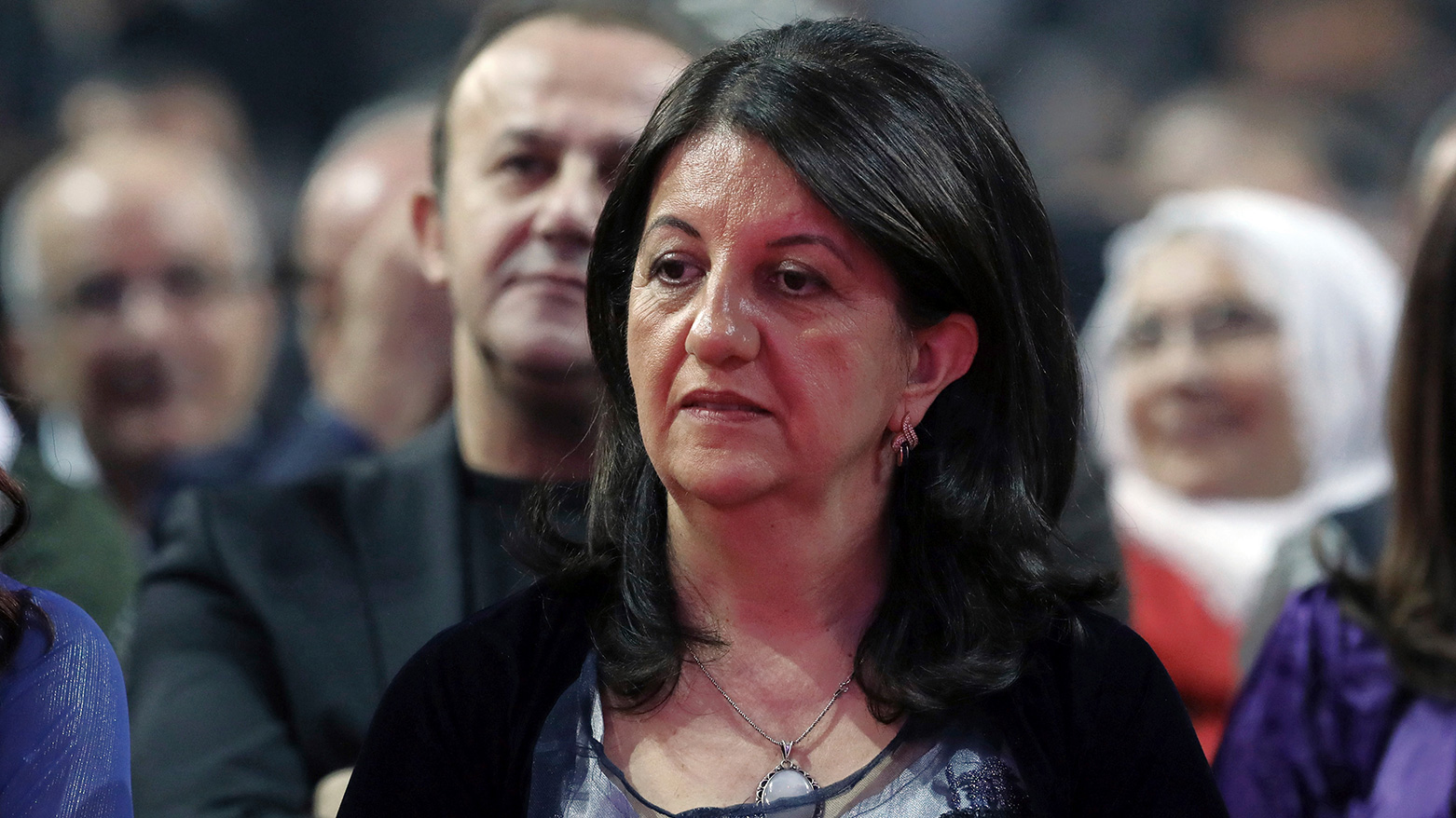
ERBIL (Kurdistan24) - Türkiye's Parliament has approved a framework law for the country's peace process, with Deputy Speaker Pervin Buldan describing the vote as an expression of the will of those who spent years struggling for peace and paying a heavy price.
The legislation passed Monday with 468 lawmakers voting in favor, 88 against and six abstaining, marking a significant legislative step in Ankara's efforts to address the decades-long conflict between the Turkish state and the Kurdistan Workers' Party (PKK).
In a message posted on X following the vote, Buldan said the legislation represented more than a formal parliamentary decision.
"The adoption of this law is not merely the enactment of a law, but an expression of the will of all those who have struggled and paid a heavy price to establish peace," she said.
Buldan: Parliament's Work Has Only Begun
Buldan, who is also a prominent figure in the peace process, emphasized that the passage of the framework should be viewed as the beginning of a longer political effort rather than its conclusion.
"Our duty does not end with the mere passage of this law," she said, calling for efforts to establish comprehensive peace, secure a democratic solution and create "a new, shared beginning" for all communities and peoples in Türkiye.
Her remarks gave the parliamentary vote a broader political significance, particularly for the pro-Kurdish DEM Party, which supported the legislation alongside President Recep Tayyip Erdogan's ruling Justice and Development Party (AKP).
Buldan also singled out the late Sırrı Süreyya Önder, a parliamentarian and key figure associated with previous peace efforts, as one of the people whose work should be remembered on what she described as a historic day.
She said Önder had regarded peace as both a struggle and a way of life, adding that his efforts would continue to live on through Parliament's decision.
Limited Measures for PKK-Linked Cases
The legislation provides legal measures for certain individuals convicted in cases connected to the PKK, but it falls short of a general amnesty.
According to Kurdistan24's review of the legislation, the measures include the suspension of certain prosecutions and prison sentences for periods ranging from five to 10 years.
The provisions are intended to apply after a formal decision concerning the dissolution of the PKK is published in Türkiye's Official Gazette. Eligible individuals would then have a limited period in which to make use of the framework.
Under the proposed structure discussed by Parliament, sentences for some offenses carrying prison terms of less than 15 years could be postponed for five years, while sentences exceeding 15 years could be postponed for 10 years, provided the individuals concerned commit no further terrorism-related offenses.
The framework also introduces restrictions on political activity for a specified period and establishes oversight mechanisms involving government and parliamentary representatives.
Leaders and Serious Offenders Excluded
The legislation does not extend to PKK leadership figures or people convicted of intentional killings.
It also excludes certain individuals serving life sentences for crimes committed before 2005, among other restrictions.
The exclusion of Abdullah Ocalan, the imprisoned founder and leader of the PKK, is particularly significant. Ocalan has remained central to the peace process and issued an appeal in February 2025 calling on the organization to disarm and pursue democratic means.
Turkish Vice President Cevdet Yilmaz previously said Ocalan's case falls outside the scope of the new legislation, although he maintained that Ocalan could still contribute to the peace process.
A Long Conflict Enters a New Phase
The parliamentary vote comes after decades of armed conflict between Ankara and the PKK, which began its insurgency in 1984 and has resulted in tens of thousands of deaths.
The latest initiative seeks to create a legal framework for handling cases involving PKK-linked prisoners as part of wider efforts to move the conflict away from armed confrontation.
The legislation nevertheless leaves major questions unresolved, including the future legal status of senior PKK figures, the implementation of disarmament, and the political guarantees needed to sustain the process.
For Buldan, those unresolved issues do not diminish the significance of Parliament's decision. Instead, they underline the need for continued political work.
"The work must continue" beyond the law's passage, she said, emphasizing that lasting peace would require a broader democratic settlement involving all of Türkiye's communities.
The legislation therefore represents both an institutional milestone and an early test of whether Ankara's latest peace initiative can move beyond legal provisions toward a durable political process.