UAE Blames Iran for Attack on ADNOC Vessel in Strait of Hormuz
Abu Dhabi says repeated attacks on commercial shipping amount to “piracy” and vows to defend freedom of navigation in the strategic waterway
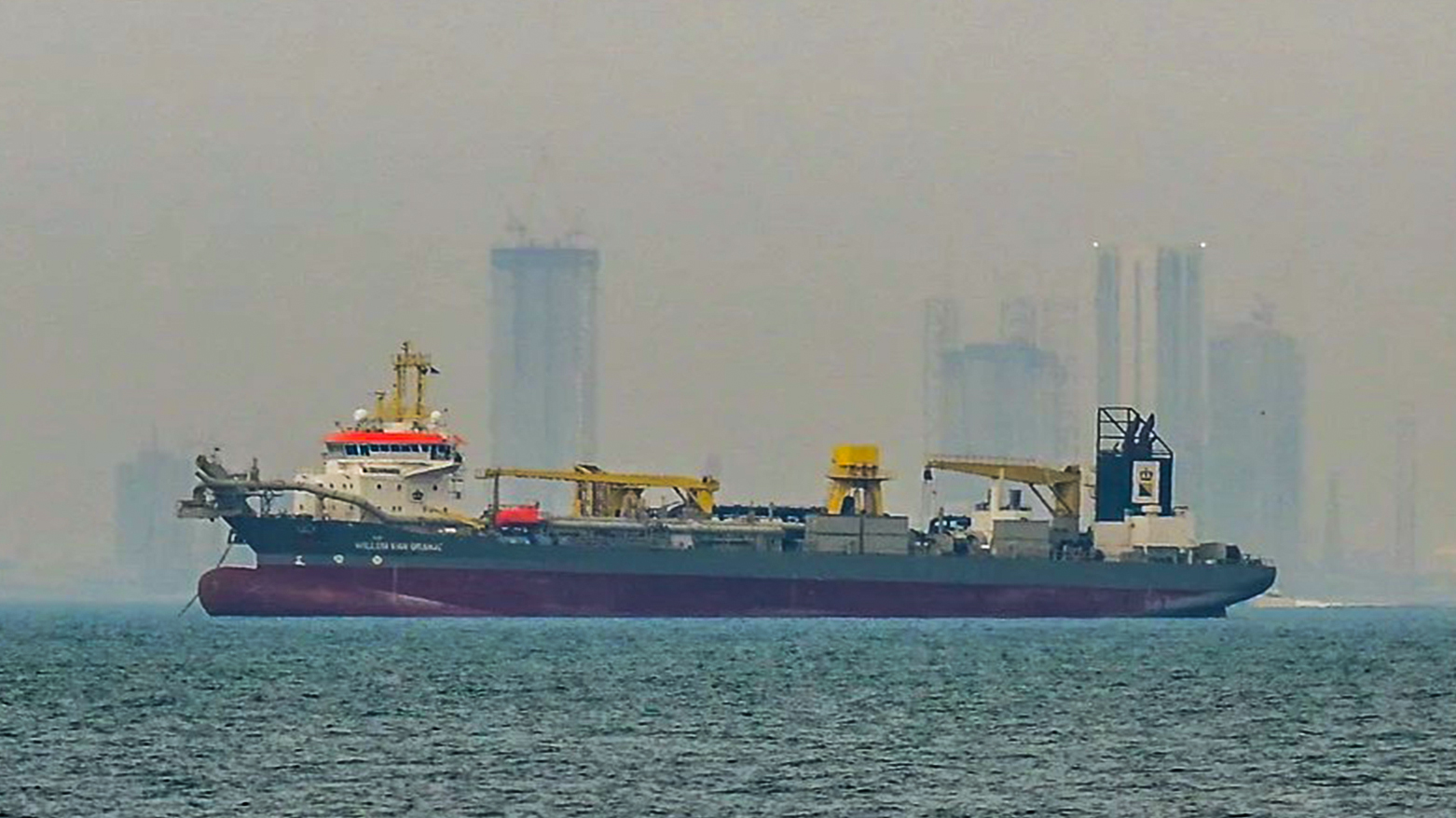
ERBIL (Kurdistan24) — The United Arab Emirates on Saturday accused Iran of attacking a vessel belonging to state-owned oil giant ADNOC while it was transiting the Strait of Hormuz, the latest incident in the strategic waterway at the center of the US-Iran conflict.
The UAE Foreign Ministry condemned what it described as a “hostile Iranian attack that targeted a vessel affiliated with ADNOC,” or the Abu Dhabi National Oil Company.
The ministry said targeting commercial shipping and using the Strait of Hormuz “as a tool of economic coercion or blackmail” constituted acts of piracy by Iran’s Islamic Revolutionary Guard Corps (IRGC), one of the most powerful branches of the Iranian military.
ADNOC confirmed that one of its vessels was attacked while transiting the Strait of Hormuz on Friday evening, according to the official WAM news agency. No injuries were reported.
The company stressed the importance of protecting seafarers and safeguarding freedom of navigation and maritime security.
UAE presidential adviser Anwar Gargash said the country would defend its “rights to freedom of navigation” in the Strait of Hormuz.
“The repeated targeting of ADNOC tankers will not deter the UAE from pursuing a balanced and prudent policy based on the three pillars of deterrence, diplomacy, and adherence to international law,” Gargash said in a post on X.
“We will exert every effort to strengthen a unified Gulf position, as it is a fundamental pillar for protecting the security of the region and the interests of its member states in this ongoing crisis,” he added.
Growing attacks on commercial vessels
Saturday’s announcement came a day after the UAE accused Iran of attacking two vessels linked to ADNOC as they passed through the Strait of Hormuz. Abu Dhabi condemned that incident and said no injuries were reported.
Last week, ADNOC said three of its tankers had been attacked in the waterway, while the UAE Foreign Ministry separately reported an attack on another ADNOC tanker the following day.
The growing number of incidents has heightened concerns over the security of the Strait of Hormuz, a critical global energy corridor through which a significant share of the world’s oil and gas supplies normally passes.
Tehran has effectively restricted passage through the waterway since the Middle East war began in February, targeting commercial vessels and demanding payment for passage. Washington has strongly rejected the move.
The attacks have further complicated efforts to restore a broader ceasefire between Iran and the United States.
Dispute over reopening the strait
The Strait of Hormuz was largely open to commercial traffic before the conflict began, but continued attacks and restrictions have disrupted shipping and contributed to the collapse of an April ceasefire between Washington and Tehran.
A June agreement intended to provide a framework for negotiations toward a permanent settlement stipulated that Iran and Oman, which also border the waterway, would discuss future arrangements for the strait with other Gulf countries and in accordance with applicable international law.
Iranian officials have since set conditions for fully reopening the waterway.
Mohammad Bagher Zolghadr, an Iranian official, said last week that Tehran would require an end to what he described as the war against Iran and its regional allies, the lifting of sanctions and compensation for damage caused during the conflict.
The latest attack on an ADNOC vessel is likely to further intensify pressure on Gulf states and international powers to secure commercial navigation through the Strait of Hormuz, amid a fragile lull in the wider conflict.