Ghalibaf Claims Iran Won the War Militarily and Politically
Iran's parliament speaker tells reporters Tehran prevented the "war and peace" equation from tipping against it, saying the US and Israel failed to achieve any of their nine declared war objectives
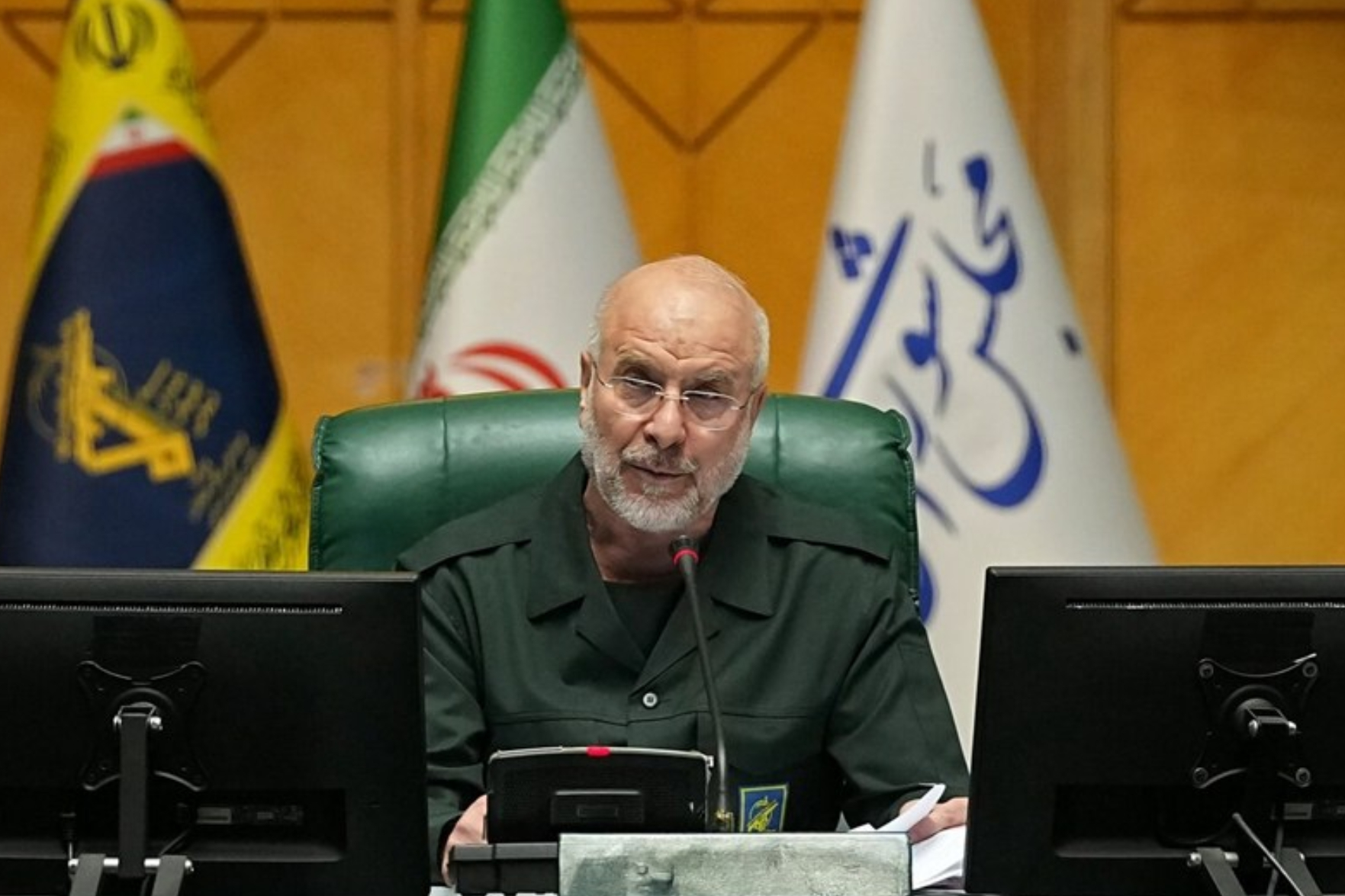
ERBIL (Kurdistan 24) - Iranian Parliament Speaker Mohammad Bagher Ghalibaf declared on Saturday, August 16, 2026, that Iran emerged victorious from its war with the United States and Israel both militarily and politically, describing preventing the "war and peace" equation from tipping as the key point of Tehran's success and calling the memorandum of understanding with Washington a document of pride and victory rather than a concession.
"I can say with complete conviction that we truly emerged victorious in this war, both militarily and politically," Ghalibaf told parliamentary reporters at a meeting late on Saturday, "Preventing the balance of the war and peace equation from tipping was the key point of our success."
Ghalibaf said the US and Israel had pursued nine specific objectives during the conflict that they had officially, repeatedly, and explicitly declared, but failed to achieve any of them at any level. "This does not mean that we destroyed the US and Israeli armies," he said. "It means that they attacked us with nine specific objectives that they had officially, repeatedly, and explicitly declared, but they failed to achieve any of them at any level," describing their outcome as an absolute defeat.
Iranian Local Media reported that Ghalibaf described the MOU between Iran and the United States as a source of pride and victory that would help consolidate Iran's success on the diplomatic front. OmidRadio confirmed on Sunday that Ghalibaf told reporters the Iranian people have the right to celebrate what he described as a genuine victory, even as he acknowledged, according to Iran International, that many Iranians had not experienced the outcome as a victory and that officials had work to do in communicating that framing to the public.
Ghalibaf's victory declaration arrives in sharp contrast with the way Washington has characterized the same conflict. President Trump has consistently claimed the destruction of Iran's military infrastructure as a central achievement of the campaign, and described the MOU on an earlier occasion as effectively representing an unconditional surrender by Iran, a characterization that Ghalibaf has flatly rejected. As the Jerusalem Post confirmed on June 24, 2026, citing Tasnim News Agency, Ghalibaf had previously described the Islamabad memorandum of understanding as a declaration of defeat by the United States, saying that "lasting peace is not the product of submission, pressure, and humiliation, but rather the result of authority, dignity, and respect."
As Shafaqna Pakistan reported, citing Al Jazeera, Ghalibaf also told the Iranian Parliament Coordination Council that Iran must now consolidate and strengthen its gains from the war, and urged Iranian officials to prioritize expanding the executive authority and institutional capacity of the supreme leader, arguing that building a stronger Iran should begin with reinforcing that leadership structure.
The gap between the two sides' accounts of who won the conflict reflects a fundamental ambiguity at the heart of the current diplomatic moment. The US launched more than nine consecutive nights of airstrikes against Iranian military targets, killed thousands of Iranian military and civilian personnel, inflicted an estimated $270 billion in direct and indirect economic damage according to Iranian government figures, caused the collapse of Iran's largest bank, and pushed Iranian inflation to approximately 88 percent. Iran, meanwhile, killed two US service members in Jordan, struck Muwaffaq Salti Air Base with ballistic missiles, maintained contested control of the Strait of Hormuz throughout the conflict, and extracted from Washington both the lifting of the naval blockade and the Treasury's removal of sanctions on three IRGC-linked entities. Both sides have produced enough facts to sustain their preferred narrative, and both are doing so simultaneously, on the same day, for the same domestic and international audiences.