Araghchi Says Iran Rejected US 15-Point Proposal After 40-Day War
Iranian Foreign Minister Abbas Araghchi says Tehran rejected an initial 15-point US proposal and later negotiated a 14-point memorandum after three months of difficult talks.
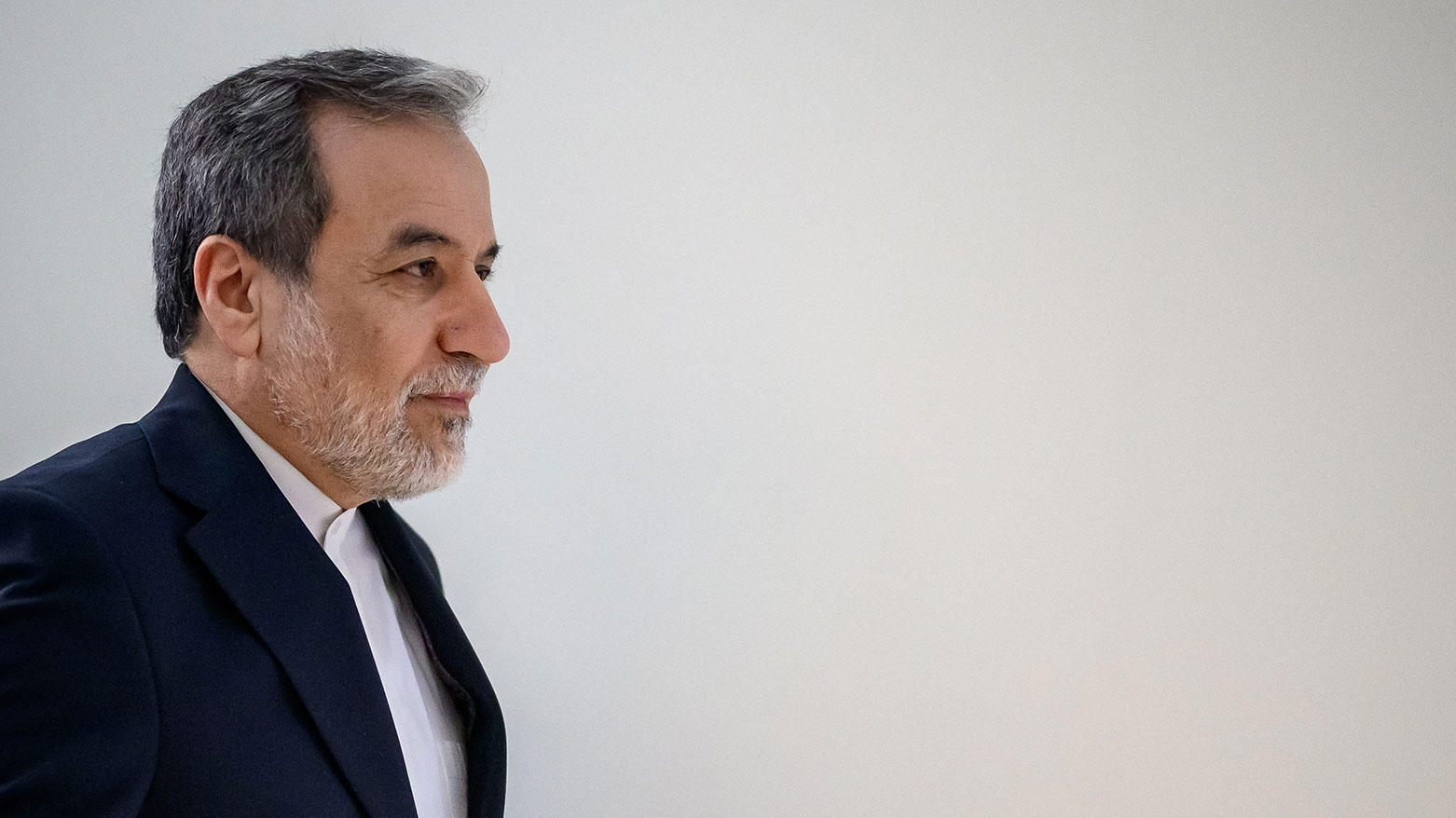
ERBIL (Kurdistan24) - Iranian Foreign Minister Abbas Araghchi has detailed what he described as sensitive diplomatic negotiations with the United States during and after the 40-day war, saying Tehran rejected an initial US proposal that he characterized as a surrender agreement and instead negotiated a 14-point memorandum.
In an interview on Tuesday, Araghchi discussed the military and diplomatic consequences of the war with the United States and Israel, as well as Iran’s evolving approach to regional security and relations with neighboring countries.
Araghchi said that before the war began, internal and economic difficulties had created what he described as a mistaken perception internationally that Iran had become weak and would collapse within days.
He said Iran’s 40-day resistance against what he described as the world’s most powerful military and Israel completely changed those expectations.
“We stood for 40 days without an air defense system against two nuclear-armed states that were bombing us every day, while at the same time their airspace and American bases were open to Iranian missiles, and we struck them every day,” Araghchi said.
He added that Iranian security forces continued carrying out their duties even after their bases had been destroyed.
“Even after their bases were destroyed, our security forces carried out their security duties at night from under bridges and from inside cars and buses,” he said.
According to Araghchi, the United States did not request a ceasefire during the first two weeks of the war and instead, he said, then-US President Donald Trump demanded Iran’s unconditional surrender.
He said that after the United States became disappointed with its objectives, Washington began making requests for negotiations around March 22 or 23.
Araghchi said the Americans initially sent a 15-point document that, in his assessment, amounted to a surrender agreement.
“The Americans initially sent a 15-point text that was in fact a surrender agreement, but we rejected it and made clear that we did not want a temporary ceasefire. Rather, we demanded a complete end to the war,” he said.
He said that following three months of difficult negotiations, initially mediated by Pakistan and later by Qatar, Iran reached a 14-point memorandum.
Araghchi said the negotiations received full support from President Masoud Pezeshkian and Parliament Speaker Mohammad Qalibaf.
He described the final memorandum as containing no Iranian capitulation and said it was completely different from Washington’s initial demands.
The Iranian foreign minister also focused on what he described as a change in regional perceptions of security following the war.
He argued that the conflict demonstrated that relying on foreign military forces and bases could not guarantee security for Gulf countries.
Instead, Araghchi said, those bases themselves had become a source of insecurity.
He said countries without US military bases were more secure than those hosting them.
Araghchi said Gulf security should instead be based on collective security and include an economic cooperation dimension, arguing that economic and security disparities and inequalities prevent lasting peace from taking root in the region.
Araghchi said Iran had sent messages to all regional countries from the first day of the US attack, making clear that while Iran would target US bases, the territory and people of neighboring countries were not targets for Tehran.
He said Iran’s relations with countries in Central Asia, the Caucasus, Afghanistan, Pakistan, Türkiye and Iraq remained very good.
According to Araghchi, those countries provided significant assistance to Iran during the war, particularly in medical supplies, medicines and travel.
Araghchi also outlined what he described as a new Iranian initiative known as “provincial diplomacy.”
Under the initiative, Iran’s border provinces would receive expanded authority to establish direct economic and commercial relations and exchanges with provinces in neighboring countries.
He said the initiative aims to revive opportunities that had previously been neglected.
The initiative forms part of the approach Araghchi presented during the interview, centered on strengthening regional economic exchanges alongside a collective security framework.