Kurdistan Region Sees Gradual Temperature Drop as Galawêzh (Sirius) Appears
Meanwhile, astronomer Azhi Chato told Kurdistan24 that the Galawêzh star, known internationally as Sirius, appears approximately two minutes earlier each day.
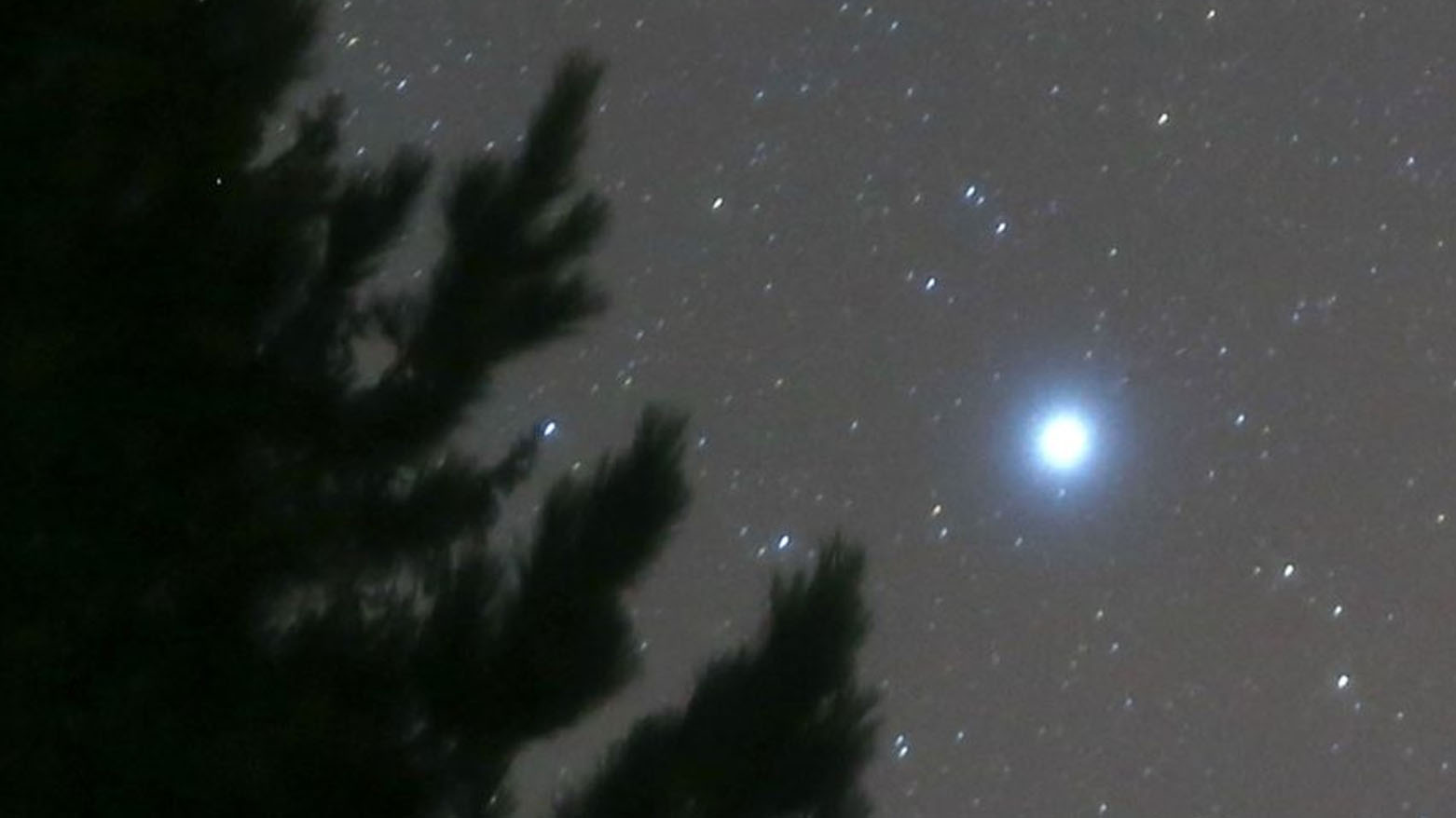
ERBIL (Kurdistan24) – Temperatures across the Kurdistan Region are gradually declining, although short and relatively mild heatwaves are expected to affect the region intermittently until mid-September, the Kurdistan Region’s meteorological authorities said on Wednesday.
The Forecasting Department of the General Directorate of Meteorology and Seismology told Kurdistan24 that the decline in temperatures is linked to the shortening of daylight hours and longer nights as summer progresses.
The department said the heat has not completely subsided, but nighttime temperatures have fallen significantly, dropping by around 9°C in some areas. In Erbil, for example, nighttime temperatures were about 35°C 15 days ago but have now fallen to approximately 26°C.
The highest temperatures recorded during this summer reached 50°C in Kalar and Khanaqin, according to the meteorological authorities.
Galawêzh and the Changing Season
Meanwhile, astronomer Azhi Chato told Kurdistan24 that the Galawêzh star, known internationally as Sirius, appears approximately two minutes earlier each day.
Chato explained that during summer, particularly around August 6–7, Sirius can be observed near sunrise, while in spring it is more easily visible around sunset.
He said the appearance of Sirius itself has no direct effect on Earth’s weather because the star is extremely distant from Earth. Rather, its seasonal visibility coincides with the same astronomical changes that contribute to cooler conditions.
“The star itself has no direct connection with Earth’s weather, as it is very far from Earth,” Chato said. “However, the coincidence between its appearance and the decline in temperatures is because, during this season, the days gradually become shorter, the nights longer, and shadows extend.”
Galawêzh in Kurdish Tradition
The appearance of Galawêzh has traditionally been regarded in Kurdish culture, particularly among older generations, as a sign that cooler weather is approaching and the period of intense summer heat is beginning to ease.
According to Kurdish tradition, the appearance of Galawêzh is associated with several seasonal changes, including gradually cooler weather, sweeter grapes and other produce from vineyards and orchards, reduced irrigation needs, and the migration of storks and other birds toward warmer regions.
Galawêzh is also the name of one of the Kurdish summer months. It follows Pûşper in the Kurdish calendar, with its arrival traditionally associated with the gradual transition from the peak of summer toward cooler weather.