Pakistan Army Chief Asim Munir Calls Iranian FM Araghchi to Discuss Peace Solutions in West Asia
Phone call covers latest regional developments and effective solutions for strengthening peace and stability as Islamabad continues its active diplomatic role in the US-Iran conflict
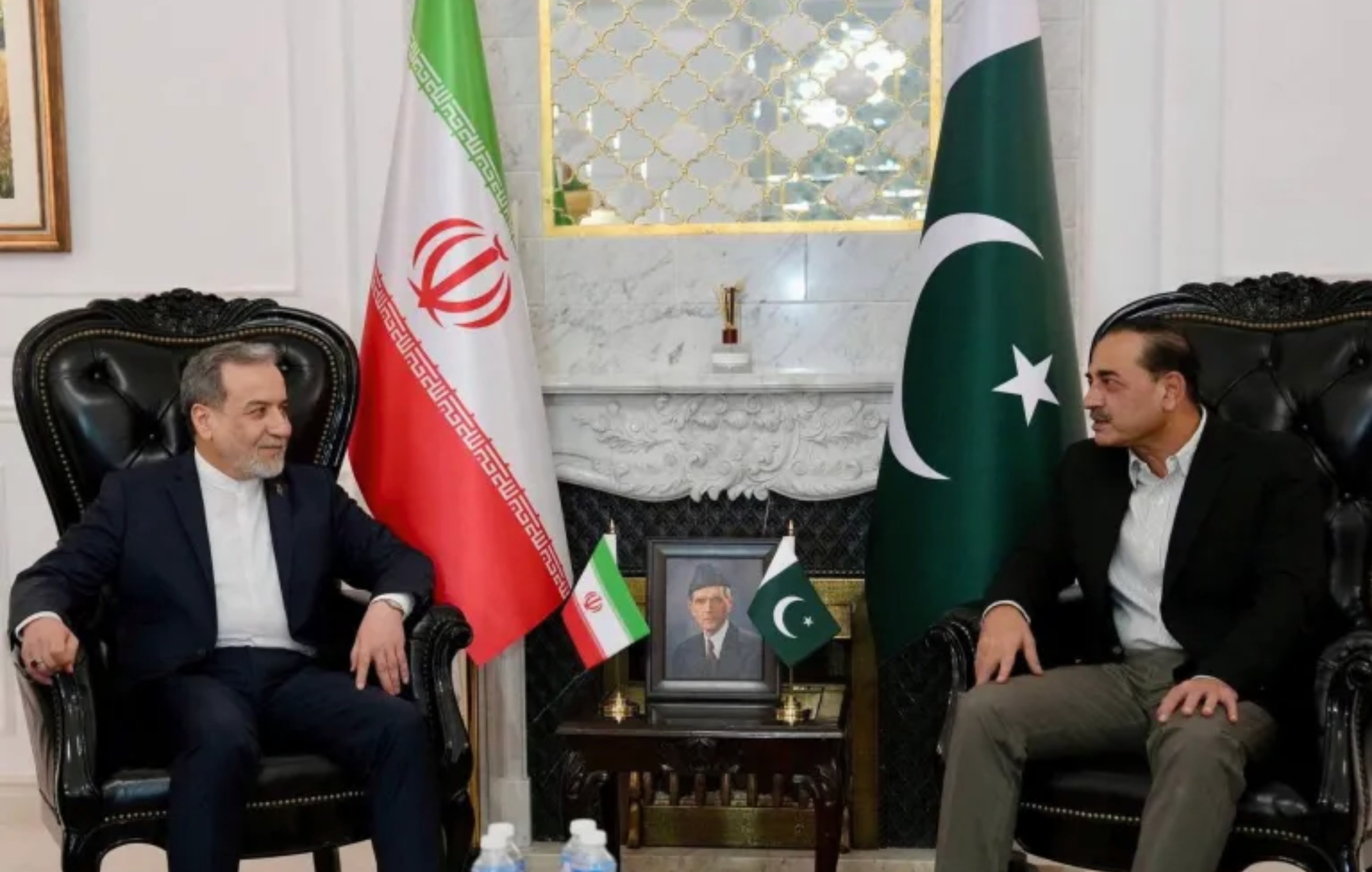
ERBIL (Kurdistan 24) - Pakistani Army Chief Field Marshal Asim Munir held a phone call with Iranian Foreign Minister Abbas Araghchi on Saturday to discuss the latest regional developments and exchange views on effective solutions to strengthen peace, stability, and security in the West Asian region, Iran's Foreign Ministry spokesperson confirmed.
The two officials discussed what Iran's Foreign Ministry described as "effective solutions to strengthen peace, stability, and security in the West Asian region," in a conversation that comes amid heightened tensions following the expiry of the 60-day US-Iran memorandum of understanding on Sunday without a successor agreement, and as Washington prepares what President Donald Trump has described as the "most crushing economic operation ever undertaken" against Tehran.
The phone call reflects Pakistan's continued and active diplomatic engagement in the US-Iran conflict, a role that has placed Islamabad at the center of some of the conflict's most consequential diplomatic moments. Pakistani Interior Minister Mohsin Naqvi made three visits to Tehran earlier in the conflict, carrying a special letter from Prime Minister Shehbaz Sharif and Army Chief Asim Munir addressed directly to Iran's Supreme Leader Mojtaba Khamenei in June 2026. Pakistan and Qatar were the two primary mediating nations whose joint announcement on June 21 and 22, 2026, confirmed "encouraging progress" in talks near Lake Lucerne in Switzerland that produced a Lebanon de-confliction cell as the first formal outcome of structured US-Iran negotiations.
As the Axios exclusive reported on Sunday, it was also through Pakistan's diplomatic channels that crucial backchannel communications between Washington and Tehran were conducted during the most critical phases of the negotiations, with Pakistani military and intelligence contacts serving as trusted intermediaries at moments when direct communication between the two sides was either unavailable or politically impossible.
Munir and Araghchi have met in person previously, with the two holding face-to-face talks in Tehran earlier in 2026 focused on the regional security situation and efforts to promote peace. Saturday's phone call is the latest in a series of high-level contacts between Pakistan's military leadership and Iran's diplomatic establishment that has characterized Islamabad's sustained mediation posture throughout the conflict.
The timing of the call is significant. It came on the same day that Iran's Supreme National Security Council Secretary Mohsen Rezaei issued sweeping threats against countries helping the United States wage economic warfare against Iran, and as Iran's President Massoud Pezeshkian declared on state media that the world has accepted Tehran's victory over the United States. Pakistan's continued engagement with Tehran through its army chief and foreign minister channels, even as Washington prepares its most comprehensive economic sanctions package against Iran, reflects Islamabad's determination to preserve its mediating role and keep diplomatic channels open regardless of the escalating pressure from all sides.