Iran Official Warns No Oil Will Pass Through Hormuz
Iran's Mohsen Rezaei warns that if the US economic war continues, no oil will be exported through the Strait of Hormuz or the Persian Gulf.
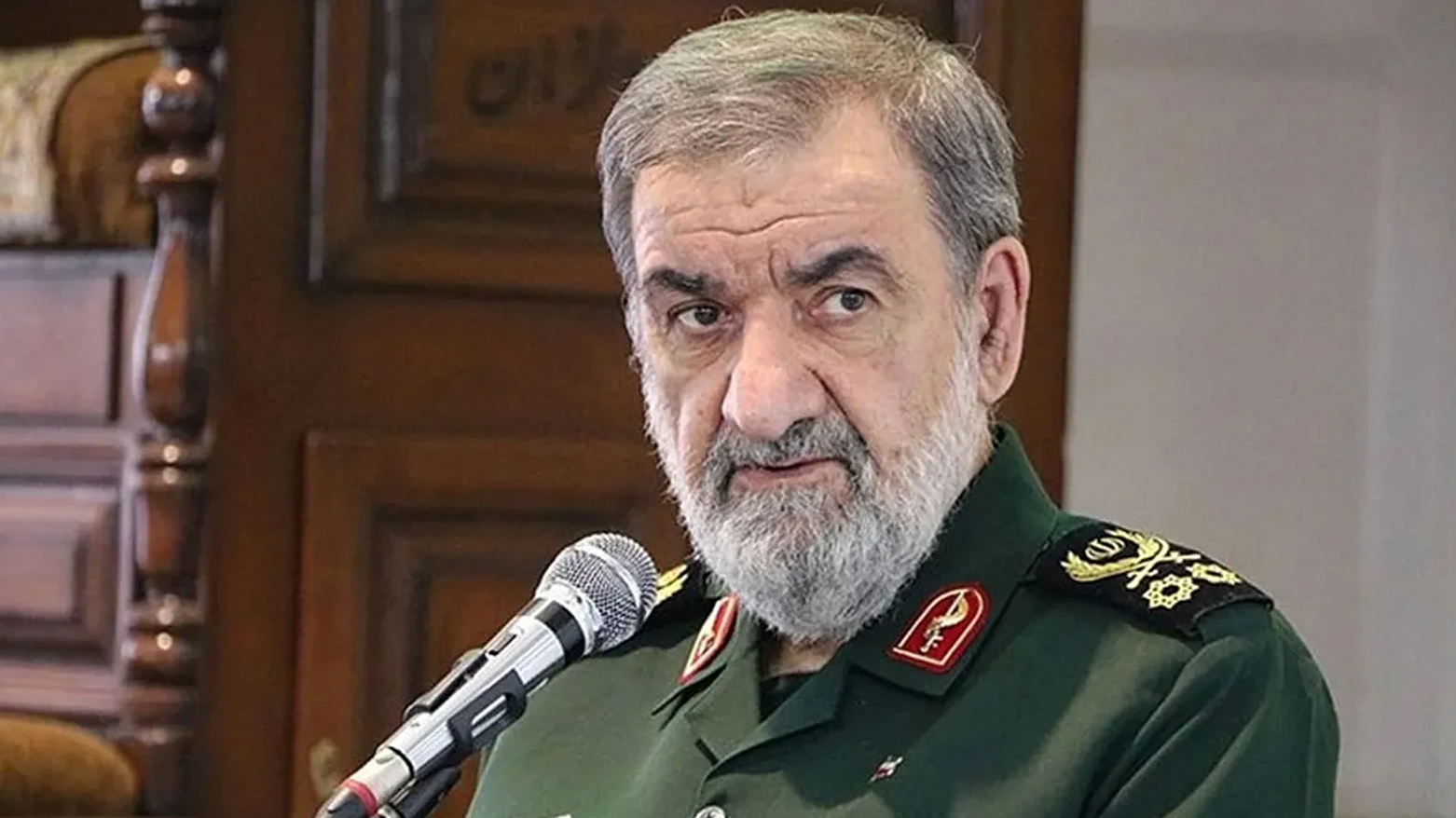
ERBIL (Kurdistan24) - Mohsen Rezaei, secretary of Iran's Supreme National Security Council, issued a sharp warning to the United States and regional countries on Sunday, saying that if Washington's economic war against Tehran continues, not a single drop of oil will be permitted to leave the Persian Gulf or the Strait of Hormuz.
In a post on his official account on the social media platform X, Rezaei outlined Tehran's latest position on US efforts to impose economic sanctions on Iran.
"If the economic war continues, not even a single drop of oil will be exported — neither through the Strait of Hormuz nor from anywhere else in the Persian Gulf," Rezaei wrote.
In another part of his warning, addressed to countries in the region and around the world, Rezaei stressed: "Iran will consider the participation or support of any country in America's economic war against the Iranian people as a declaration of war against itself."
Tehran's warning coincides with preparations by the administration of US President Donald Trump to impose a new round of economic sanctions, while US naval forces in the Arabian Sea and the Strait of Hormuz have placed restrictions on commercial vessels linked to Iran. The developments have raised the risk of direct military confrontation in the region to an unprecedented degree.
US Central Command (CENTCOM) announced Sunday that American naval forces have redirected the routes of 70 commercial vessels, disabled three, and boarded two others since enforcement began in July, as part of Washington's sanctions campaign against Tehran. The figure marks an increase from the 68 vessels CENTCOM had reported as redirected as of Aug. 21, when the command said the USS Ross was among more than 20 warships supporting the US naval effort against Iran.
The naval enforcement operation runs alongside a broader economic campaign that Trump has described as the most extensive economic operation ever launched against a single country, warning that any nation assisting Iran's financial institutions or trade networks would face serious consequences. The effort builds on earlier sanctions and financial enforcement measures led by the US Department of the Treasury's Office of Foreign Assets Control, targeting Iran's oil trade, foreign currency exchange networks, and military procurement channels. US authorities have designated more than 180 vessels, ship management firms, and front companies operating in the UAE and other maritime hubs as part of the broader effort.
As naval enforcement and economic pressure on Tehran continue to expand, officials involved in the standoff have indicated that measures are likely to intensify in the coming weeks, with regional stability remaining a stated priority for all parties. Rezaei's warning underscores the extent to which the Strait of Hormuz, a critical corridor for global oil shipments, has become central to the escalating standoff between Washington and Tehran.