IRGC Pledges Cooperation With Government to Counter US Economic Pressure
According to Iran’s Tasnim News Agency, the IRGC said coordination and cooperation with the government were key to helping the country overcome sanctions and strengthen national resilience.
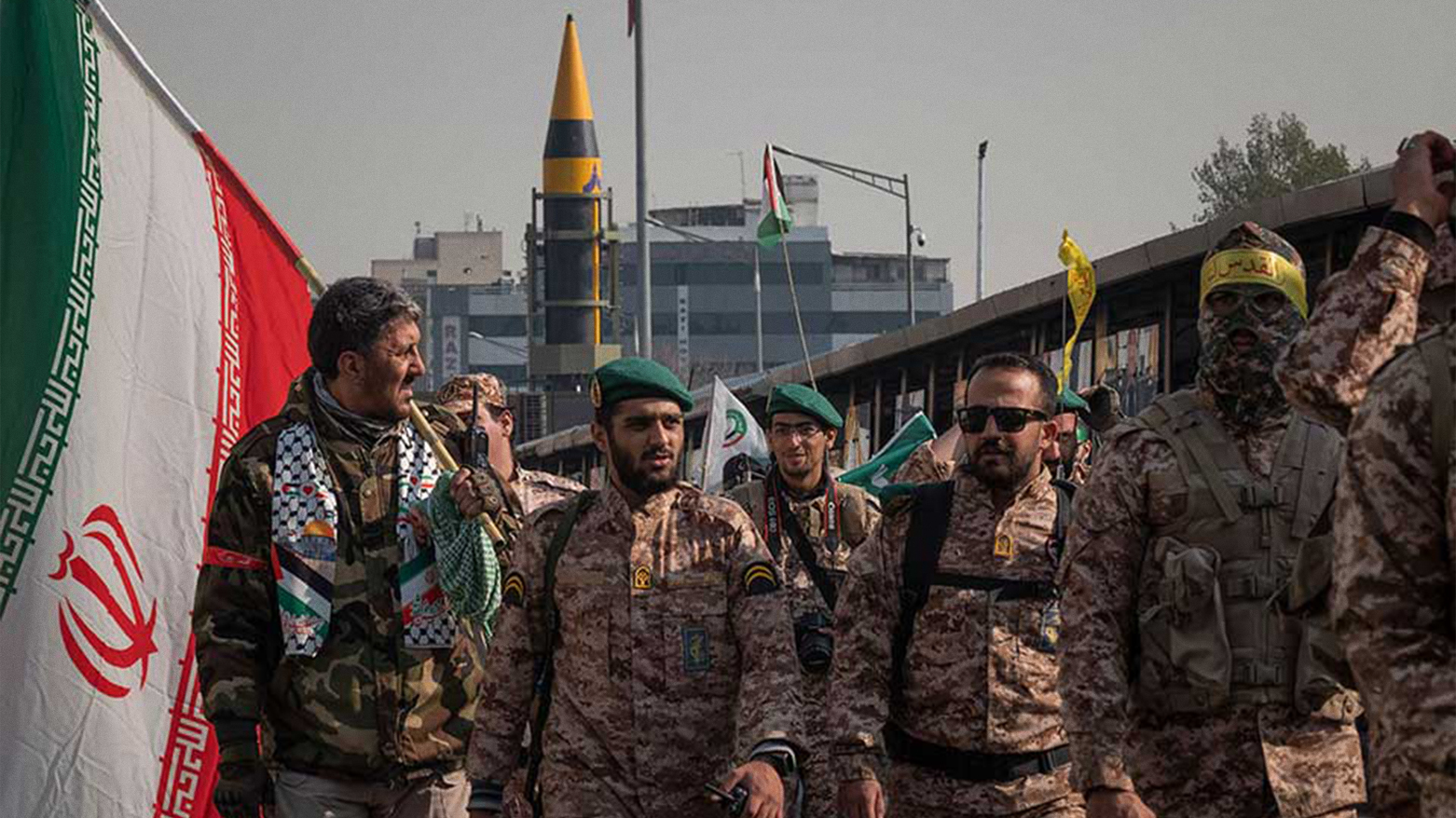
ERBIL (Kurdistan24) – The Islamic Revolutionary Guard Corps (IRGC) on Monday expressed its readiness to strengthen cooperation with the Iranian government to confront what it described as an economic war and broad sanctions imposed by Iran’s enemies.
According to Iran’s Tasnim News Agency, the IRGC said coordination and cooperation with the government were key to helping the country overcome sanctions and strengthen national resilience.
The force called for greater efforts to enhance Iran’s response capabilities, saying that “wise planning and comprehensive support” from government officials would help create an “impenetrable shield” against economic warfare, sanctions and what it called the enemy’s maximum pressure.
The IRGC described economic warfare as the main arena of confrontation, accusing Iran’s adversaries of seeking to create despair, put pressure on people’s livelihoods and undermine social cohesion through sanctions.
It called for coordinated efforts across the economy, trade, oil, industry, agriculture, banking and diplomacy to neutralize sanctions, stabilize markets, secure basic goods, control inflation and create jobs.
The IRGC also said that addressing livelihood challenges and ensuring a dignified life for Iranians was as important as a battlefield victory.
The statement cited the IRGC’s experience of cooperating with successive governments over the past four decades on reconstruction and infrastructure projects, and said the force was ready for further cooperation and coordination in all necessary fields.
The statement comes as the United States prepares a new economic pressure campaign against Tehran. US President Donald Trump said Monday that Iran was “completely collapsing,” while Treasury Secretary Scott Bessent described the campaign as an “economic D-Day” and warned countries supporting Iran that they could face consequences.
Iran has rejected Washington’s claims of military success, with Deputy Foreign Minister Kazem Gharibabadi questioning why the United States would need a major new financial campaign if it had already achieved its military objectives.
The latest US pressure campaign comes nearly six months into the conflict, which has increasingly focused on the Strait of Hormuz. Iran has kept the strategic waterway closed, contributing to higher energy prices and inflation, while Washington maintains a naval counter-blockade and peace talks remain stalled.