Iraq's Top Judge Visits Tehran for One-Day Official Visit to Discuss Legal Files
Faiq Zeidan arrives in Iran on the invitation of judiciary chief Mohseni Ejei, days after Iranian Parliament Speaker Ghalibaf met him in Baghdad to discuss legal cooperation
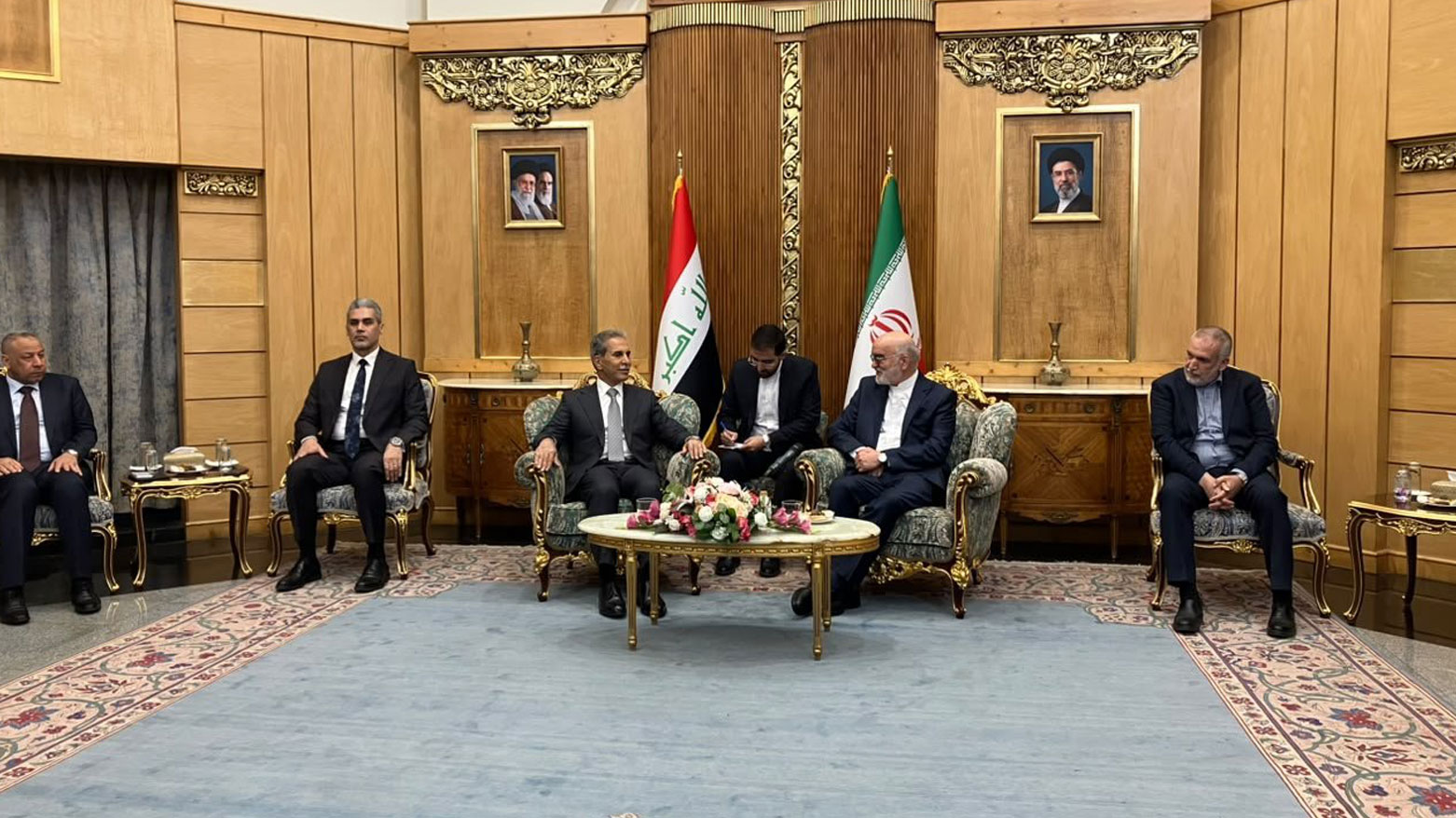
ERBIL (Kurdistan 24) - Faiq Zeidan, President of Iraq's Supreme Judicial Council, arrived in Tehran on an official visit on Tuesday for a one-day visit aimed at discussing several legal and judicial files between Iraq and Iran, Iraqi official media reported.
According to the same source, the visit came at the invitation of Gholamhossein Mohseni Ejei, head of Iran's judiciary, and focuses on strengthening relations between the two countries and on discussing several judicial and legal issues and files between Baghdad and Tehran.
The visit comes just days after Iranian Parliament Speaker Mohammad Bagher Ghalibaf made his own visit to Baghdad, where he met with Zeidan to discuss legal cooperation between the two sides, Iraqi official media confirmed.
Zeidan has also made several previous visits to Tehran to sign judicial understanding agreements with officials of the Islamic Republic of Iran, reflecting a sustained pattern of legal engagement between the two countries' judicial establishments that has continued throughout the six-month US-Iran conflict.
The timing of the visit is notable. It arrives as Washington has launched what Treasury Secretary Scott Bessent described on Monday as Economic D-Day against Iran, the single greatest financial offensive ever marshaled against an adversary, and as Iraq's government under Prime Minister Ali al-Zaidi is managing the delicate challenge of maintaining working relations with both the United States and Iran simultaneously. The visit by Iraq's top judge to Tehran on an invitation from Iran's judiciary chief, on the same day Washington's unprecedented sanctions package is taking effect, illustrates the complexity of Baghdad's position as a state that borders, trades with, and maintains institutional ties with a country the United States is attempting to isolate completely.
The legal files under discussion were not detailed in Iraqi official media reporting, but previous Zeidan visits to Tehran have focused on judicial cooperation agreements, extradition frameworks, and legal assistance treaties that form the institutional backbone of Iraq-Iran bilateral relations independent of the political and security dimensions of the two countries' relationship.