Russia and Iran Make Significant Progress on Natural Gas Exports
Iran’s ambassador to Moscow says Tehran and Moscow have made substantial progress on a plan to transport Russian natural gas to Iran through a pipeline across Azerbaijan.
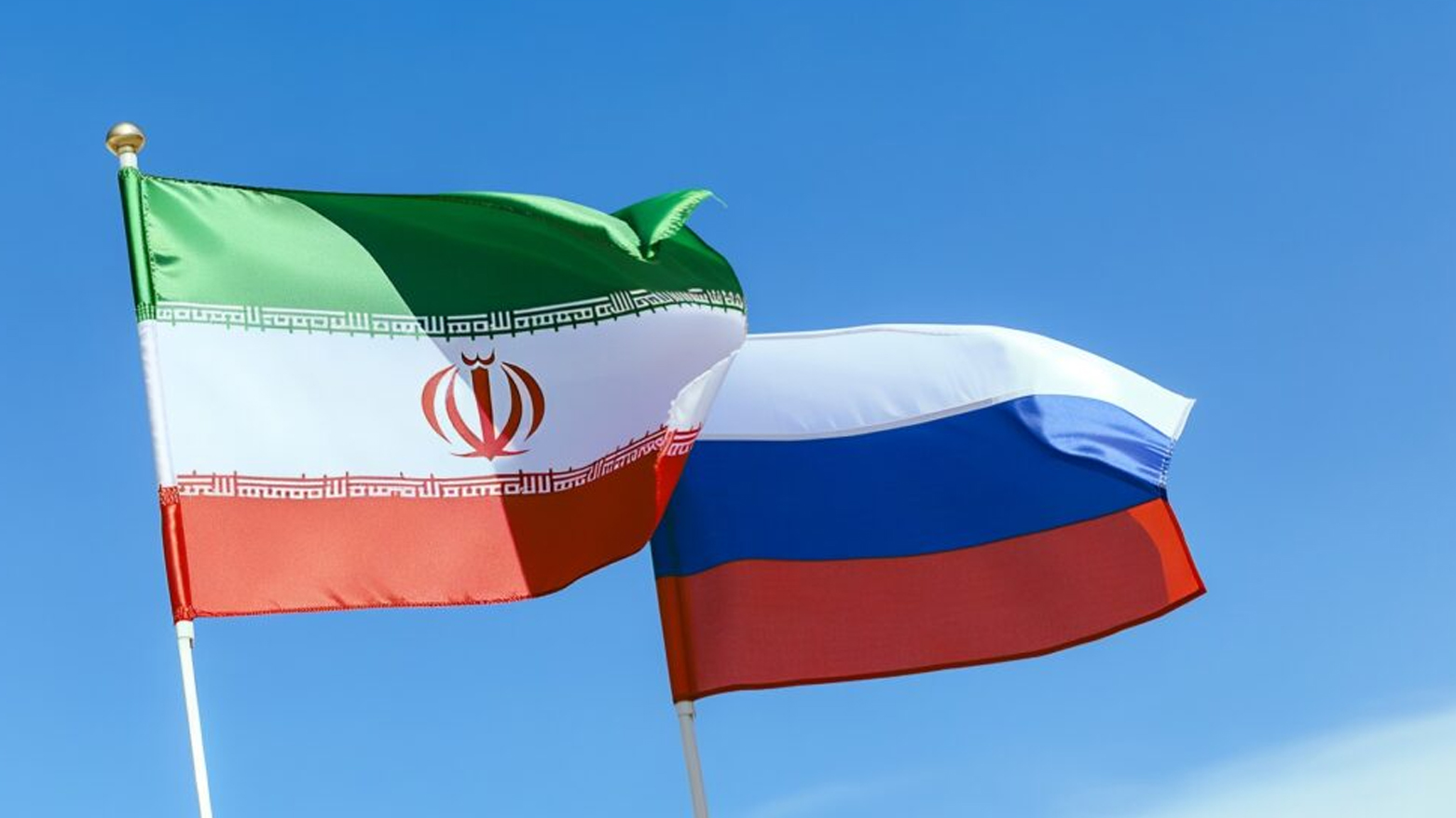
ERBIL (Kurdistan24) - Russia and Iran have made significant progress in negotiations over the export of Russian natural gas to Iran through an overland pipeline crossing Azerbaijan, with an initial transfer volume expected to reach about 150 million cubic meters per day, Iran’s ambassador to Moscow said Friday.
Kazem Jalali, Iran’s ambassador to Russia, told Iran’s official IRNA news agency in an exclusive interview on Friday, that following a series of intensive meetings between Iran’s Oil Ministry and Russia’s Gazprom, the two sides had agreed on a route that would transport gas through Azerbaijan to the Iranian city of Astara.
Under the agreement, Jalali said, the initial annual volume of gas transferred would reach 55 billion cubic meters, equivalent to nearly 150 million cubic meters per day and less than one million barrels of oil per day.
Jalali said the project had moved beyond its initial stage, with the two sides reaching an understanding on most fundamental issues.
Only one or two technical matters remain, he said, adding that they have been discussed during talks with Gazprom officials.
Iranian President Masoud Pezeshkian is personally and directly overseeing the issue, Jalali said, and has called for the contracts to be finalized quickly so the project can move into its implementation phase.
The joint project forms part of Tehran’s strategic efforts to become a major regional energy exchange hub.
The start of overland gas transfers from Russia is being viewed as an important energy source for Iran at a time when maritime routes through the Gulf and the Strait of Hormuz are under pressure and subject to stringent sanctions restrictions.
The developments come amid a new US economic campaign against Iran.
On Monday, US President Donald Trump ordered the Treasury Department to announce what was described as the largest and most intensive economic campaign in its history against the Islamic Republic of Iran and the Islamic Revolutionary Guard Corps, under the name “Operation Economic Outcast.”
As part of the operation, comprehensive sanctions were imposed on five major sectors of Iran’s economy and nearly 60 companies, individuals and vessels linked to a shadow oil fleet, nuclear technology procurement networks, missile activities and hacking groups.
Trump and US Treasury Secretary Scott Bessent reiterated that countries engaging in trade with Iran would face sanctions under the economic campaign.