Türkiye Summons Ukraine Envoy Over Black Sea Attacks on Turkish Vessels
Ankara warns Kyiv over attacks on civilian shipping as the Russia-Ukraine war increasingly threatens commercial navigation in the Black Sea
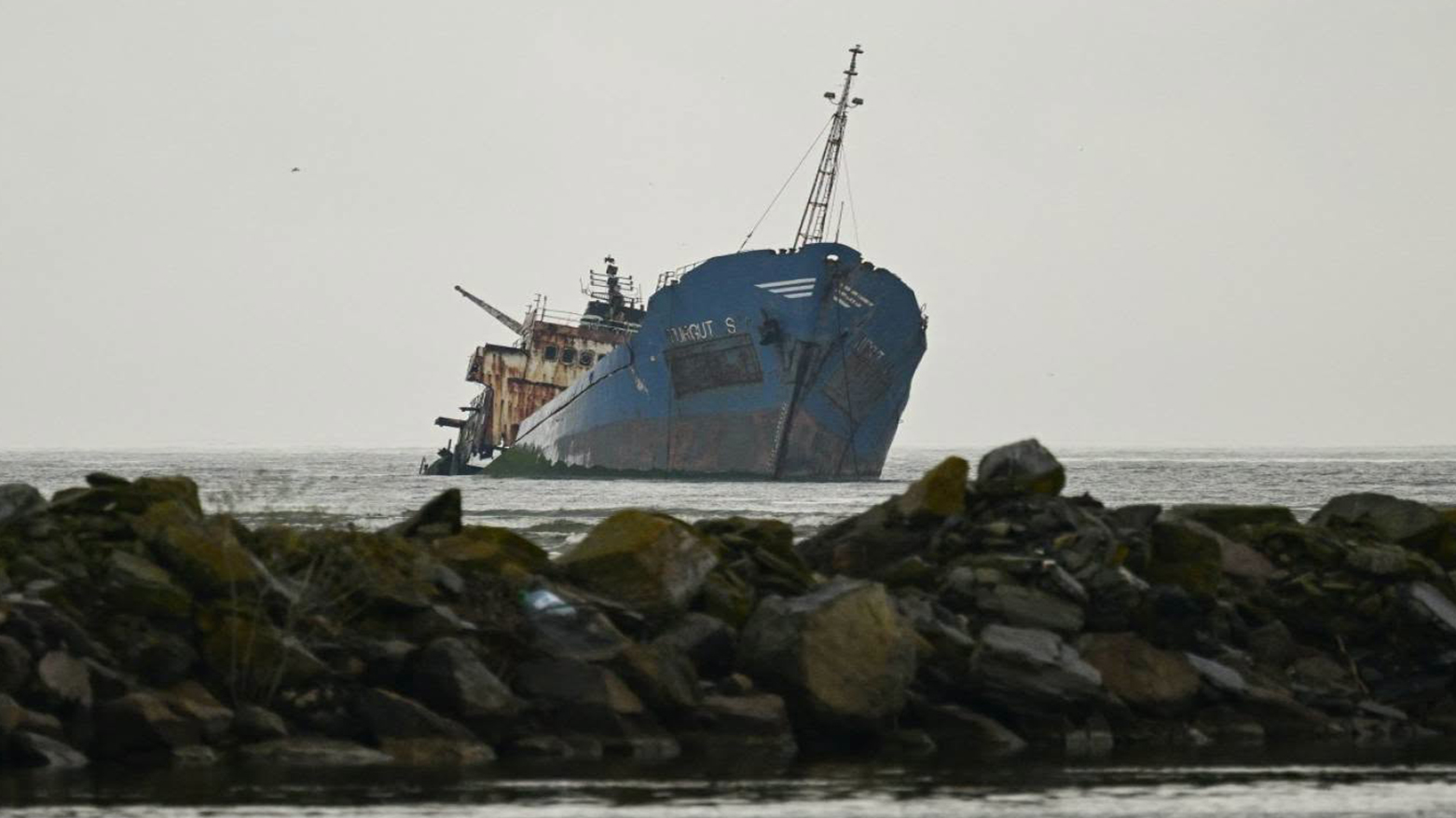
ERBIL (Kurdistan24) — Türkiye summoned Ukraine’s ambassador on Saturday over attacks this week on a Turkish-operated vessel and a second ship that was sent to tow it in the Black Sea, as Ankara stepped up warnings that the Russia-Ukraine war is endangering civilian shipping and maritime security.
The Turkish Foreign Ministry said the attacks took place on Wednesday and Thursday, with the container ship Lider Bordo Mavi struck while sailing off Russia’s Black Sea coast on Wednesday.
The following day, the Lider Kocatepe, which had been dispatched to tow the damaged vessel, was also targeted.
The ministry did not provide details on whether anyone was injured or killed in either incident.
During a meeting with Ukraine’s ambassador, Turkish officials stressed the “absolute need” to protect people, property, navigation and the marine environment in the Black Sea, according to the ministry.
Turkish media reported that the damaged container ship was eventually towed to the Turkish Black Sea port of Samsun.
Ankara seeks protection for civilian shipping
The latest incidents have heightened concerns in Ankara over the growing risks faced by commercial vessels operating in the Black Sea, where military activity has increasingly extended beyond direct attacks on military targets.
Türkiye has for weeks urged both Ukraine and Russia to refrain from attacks on civilian vessels, arguing that the expansion of the conflict into commercial maritime routes poses risks not only to shipping but also to regional economic and environmental security.
The two sides have increasingly targeted infrastructure and assets linked to each other’s export revenues during the war, including ports, energy facilities and maritime infrastructure.
Commercial vessels connected to Türkiye are particularly exposed because Turkish shipping companies operate extensively in the Black Sea, with vessels sailing under different flags.
Several commercial ships have previously been damaged by drone attacks suspected by Turkish officials and media of originating from Ukraine.
The incidents have placed Ankara in a delicate position. Türkiye is a NATO member and a key supporter of Ukraine’s territorial integrity, while simultaneously maintaining diplomatic and economic ties with Russia and refusing to participate in Western sanctions against Moscow.
Türkiye calls for Black Sea moratorium
Turkish Foreign Minister Hakan Fidan has repeatedly warned that the conflict is creating growing risks for navigation throughout the Black Sea.
On August 8, Fidan called for a “moratorium” on attacks in the Black Sea, warning that the war had expanded into a broader threat to commercial shipping.
“The conflict has spread across the whole Black Sea,” Fidan said at the time, criticizing both sides for what he described as attacks on commercial vessels “without distinction.”
Türkiye has sought to position itself as a mediator between Moscow and Kyiv throughout the war. Ankara previously played a central role in the Black Sea Grain Initiative, brokered with United Nations support, which enabled Ukraine to export millions of tons of grain through the Black Sea despite the ongoing conflict.
Although that agreement eventually collapsed, Türkiye has continued to advocate for keeping Black Sea maritime routes open and preventing the war from further disrupting international trade.
The latest diplomatic move underscores Ankara’s concern that repeated attacks on commercial shipping could threaten Türkiye’s economic interests while increasing the risk of a wider maritime escalation in a strategically important region.