Pezeshkian: Iran Will Immediately Reciprocate If US Returns to June MOU Commitments
Iranian president signals Tehran's readiness to de-escalate as he arrives in Bishkek for the SCO summit, where he is set to meet Putin, even as US and Iranian forces exchanged strikes near Hormuz hours earlier
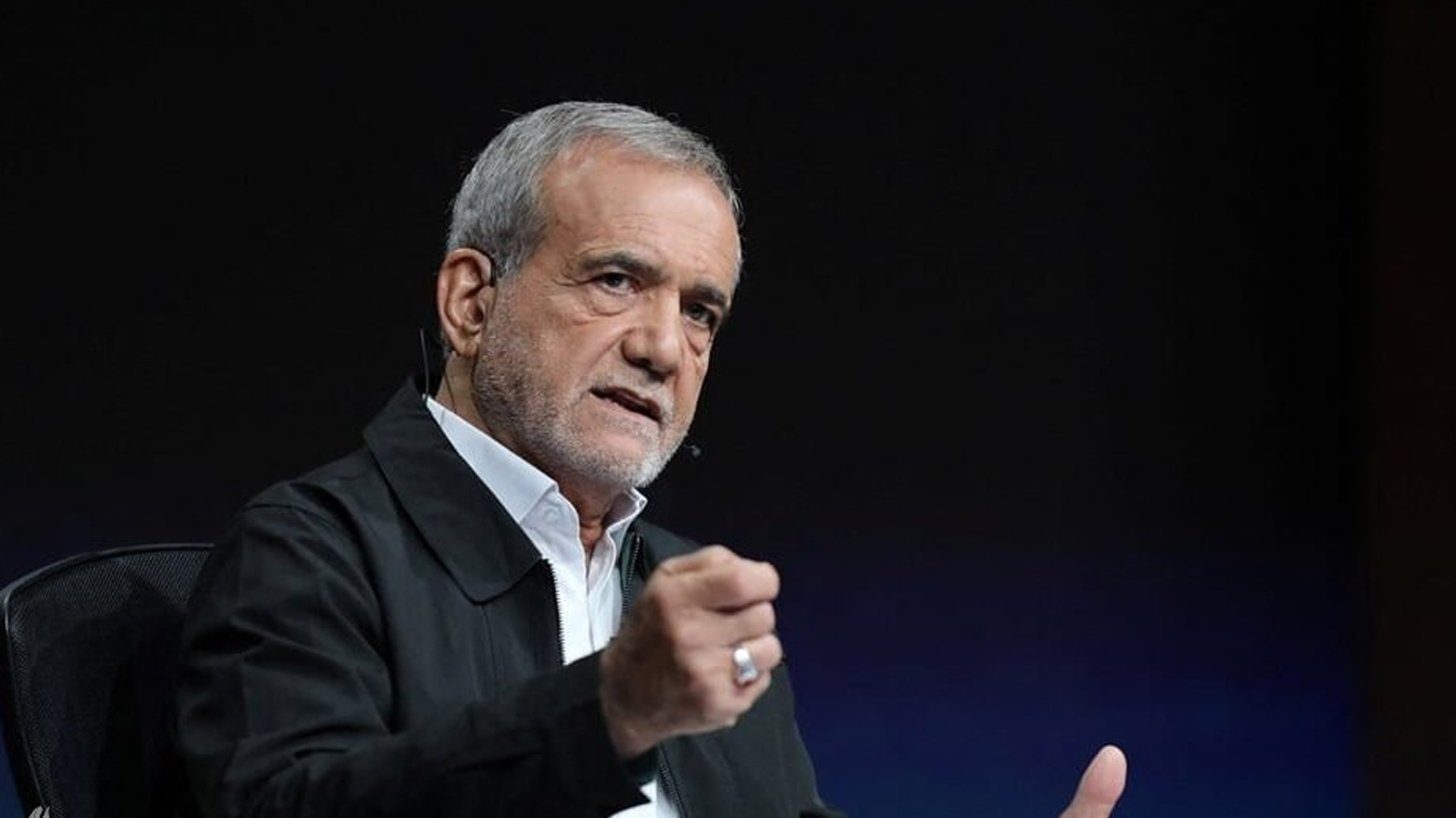
ERBIL (Kurdistan 24) - Iranian President Massoud Pezeshkian declared on Tuesday that Iran will immediately reciprocate as soon as the United States returns to its commitments under the June 17 memorandum of understanding, signaling Tehran's readiness to re-engage diplomatically even as the conflict entered one of its most kinetically intense single days since the MOU's expiry, as ISNA news agency reported.
The statement is the clearest and most direct expression yet from Iran's president of the conditions under which Tehran would return to the diplomatic framework that collapsed in the weeks following its signing. By framing Iran's response as immediate and conditional solely on US compliance with the existing MOU rather than demanding new negotiations or additional concessions, Pezeshkian is effectively telling Washington that the June 17 agreement remains the floor of any settlement and that Tehran does not need a new framework, only American compliance with the one already signed.
The timing of the statement is significant on multiple levels. It came on the same day the United States launched fresh strikes against IRGC forces near the Strait of Hormuz, an oil tanker struck two Iranian naval mines and caught fire in the strait, the UAE intercepted an Iranian drone entering its territorial waters, Treasury Secretary Bessent announced weekly Iran sanctions, and Trump declared Iran officially a failed and dead nation on Truth Social. Iran's Foreign Ministry simultaneously warned all cooperating parties that they share full responsibility for the consequences of continued American aggression.
Pezeshkian made the statement as he departed Tehran for Bishkek, Kyrgyzstan, where he is scheduled to attend the Shanghai Cooperation Organization summit and meet Russian President Vladimir Putin on the sidelines, an encounter that carries its own strategic significance given CIA Director John Ratcliffe's visit to Moscow the previous week and Russia's reported rejection of Washington's request to pressure Iran on the Strait of Hormuz.
The June 17, 2026, MOU, signed by Presidents Trump and Pezeshkian in Islamabad, declared the immediate and permanent termination of military operations and stipulated that a final deal would be reached within 60 days. The agreement included provisions for the US to end its naval blockade within 30 days, remove forces from near Iran after the final deal was reached, and begin work on a reconstruction and development package of at least $300 billion. Iran, for its part, was to clear mines from the Strait of Hormuz and allow ships to pass without charge for 60 days. The MOU collapsed within weeks amid mutual accusations of violations and expired without a successor agreement on August 16, 2026.
Pezeshkian's statement that Iran will immediately reciprocate if the US returns to its MOU commitments stands in direct contrast with the maximalist positions articulated by other Iranian officials throughout the day. IRGC spokesman had declared that the strait will not open under any circumstances if US conditions are not met. Parliament Speaker Ghalibaf had issued an all-or-none ultimatum on Gulf oil exports. The divergence between Pezeshkian's conciliatory framing and the IRGC's hardline posture reflects the continuing tension within Iran's power structure between those who believe a negotiated exit from the conflict serves Tehran's interests and those who see continued resistance as the path to a better outcome.