Iran's Military Command Threatens Intensified Strikes on US Vessels If Blockade Continues
Iranian armed forces headquarters threatens attacks on US military ships will be "more severe than before" and could expand if Washington maintains its naval blockade and harassment of Iranian vessels
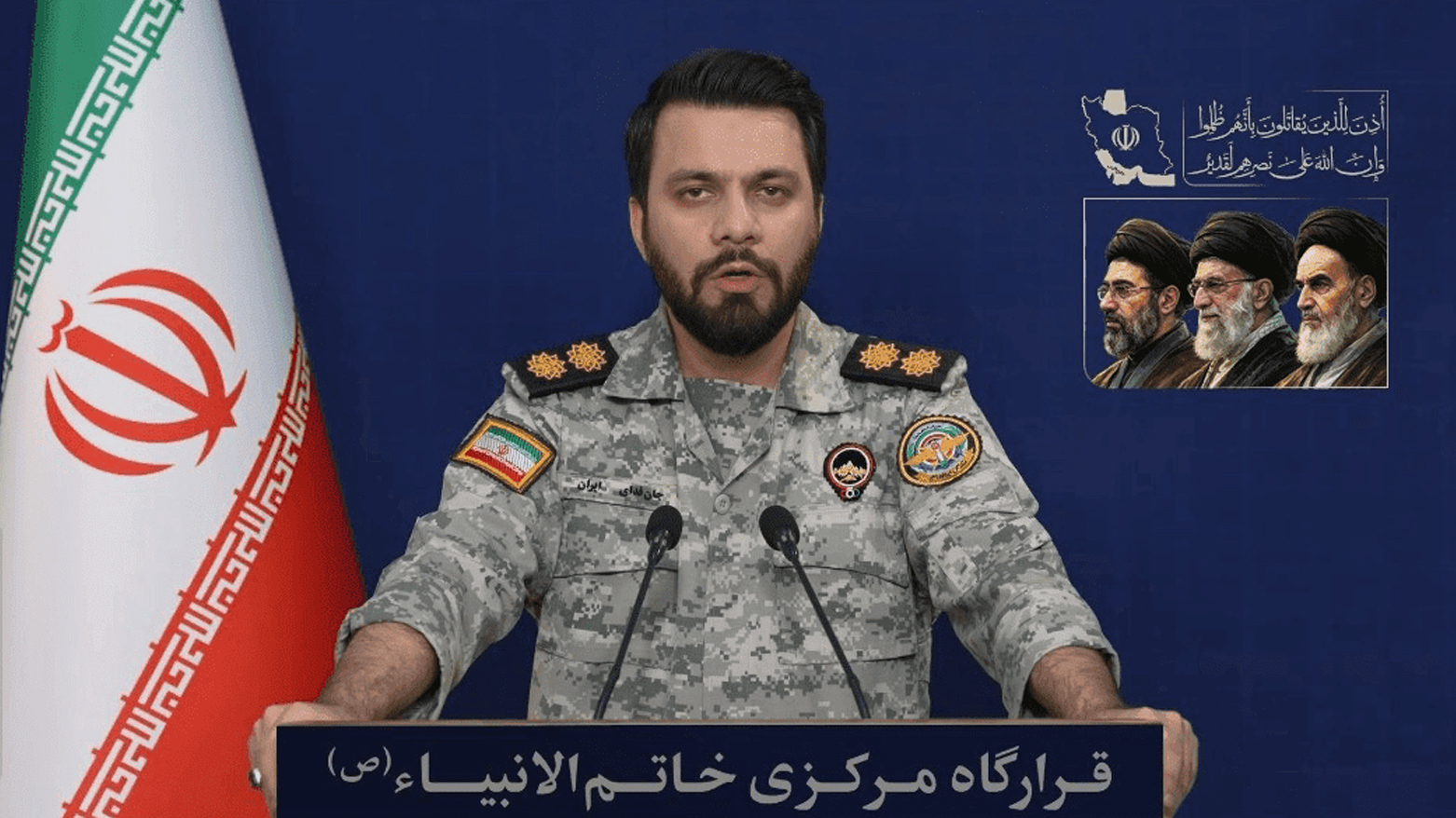
ERBIL (Kurdistan 24) - The spokesman of Iran's Khatam al-Anbiya Central Headquarters issued a direct military warning to the United States on Saturday, threatening that strikes by the Islamic Republic's armed forces against American military vessels in the region will be more severe than before and could potentially expand if Washington continues its naval blockade of Iran and what Tehran describes as harassment of Iranian ships.
"The terrorist American army is warned that if the evil, insecurity, and harassment of Iranian vessels and the naval siege of Iran continue, the strikes of the Islamic Republic of Iran's armed forces against American military vessels in the region will be more severe than before, and there is the possibility of their expansion," the Khatam al-Anbiya Central Headquarters spokesman said in the statement.
Khatam al-Anbiya, which translates as Seal of the Prophets, is the operational command headquarters of Iran's armed forces, responsible for coordinating between the Islamic Republic of Iran Army, the IRGC, and other military branches. A statement from its spokesman carries the weight of the Islamic Republic's unified military establishment rather than any single branch, making it one of the most authoritative military warnings Tehran can issue short of a direct presidential declaration.
The warning comes on a day of extraordinary pressure on Iran across every domain simultaneously. The US Treasury designated Golden Global Bank in Türkiye and its subsidiaries for facilitating tens of millions of dollars in IRGC Quds Force transactions, with Treasury Secretary Bessent vowing to continue action "until we have buried the head of the Iranian snake." Bessent simultaneously disclosed that no Iranian crude has successfully transited Hormuz to China since the blockade was reinstated, with oil piling up on trapped vessels and revenue shrinking rapidly. Trump threatened to halt trade with every country running a deficit with the United States if the Federal Reserve refuses to cut rates. And the United States has been implementing its "Tanker for Tanker" policy, targeting Iranian oil tankers in response to commercial vessel attacks.
Iran's military warning that strikes against American vessels will be more severe than before and could expand is the most explicit escalatory statement from the Islamic Republic's unified military command since the conflict's most intense phase in the spring and early summer of 2026. It arrives as the Trump administration is simultaneously drafting a post-war Middle East strategy built on Iran containment and Saudi-Israeli normalization, a planning process that implicitly assumes the current phase of maximum military and economic pressure will eventually force Tehran to accept a settlement on Washington's terms.
The reference to the naval siege and harassment of Iranian ships reflects Tehran's framing of the US blockade as an act of aggression under international law, a position Iran's Foreign Ministry articulated in detail when it invoked the UN Charter and the 1974 Definition of Aggression to frame the blockade as justifying legitimate self-defense. The Khatam al-Anbiya warning translates that legal framing into an operational military threat with explicit scope for escalation and geographic expansion.