US House Passes Sweeping Russia Sanctions Bill, Sends It to Trump
Legislation targets Russia’s energy and defense sectors and could authorize tariffs of up to 100 percent on major buyers of Russian oil and gas
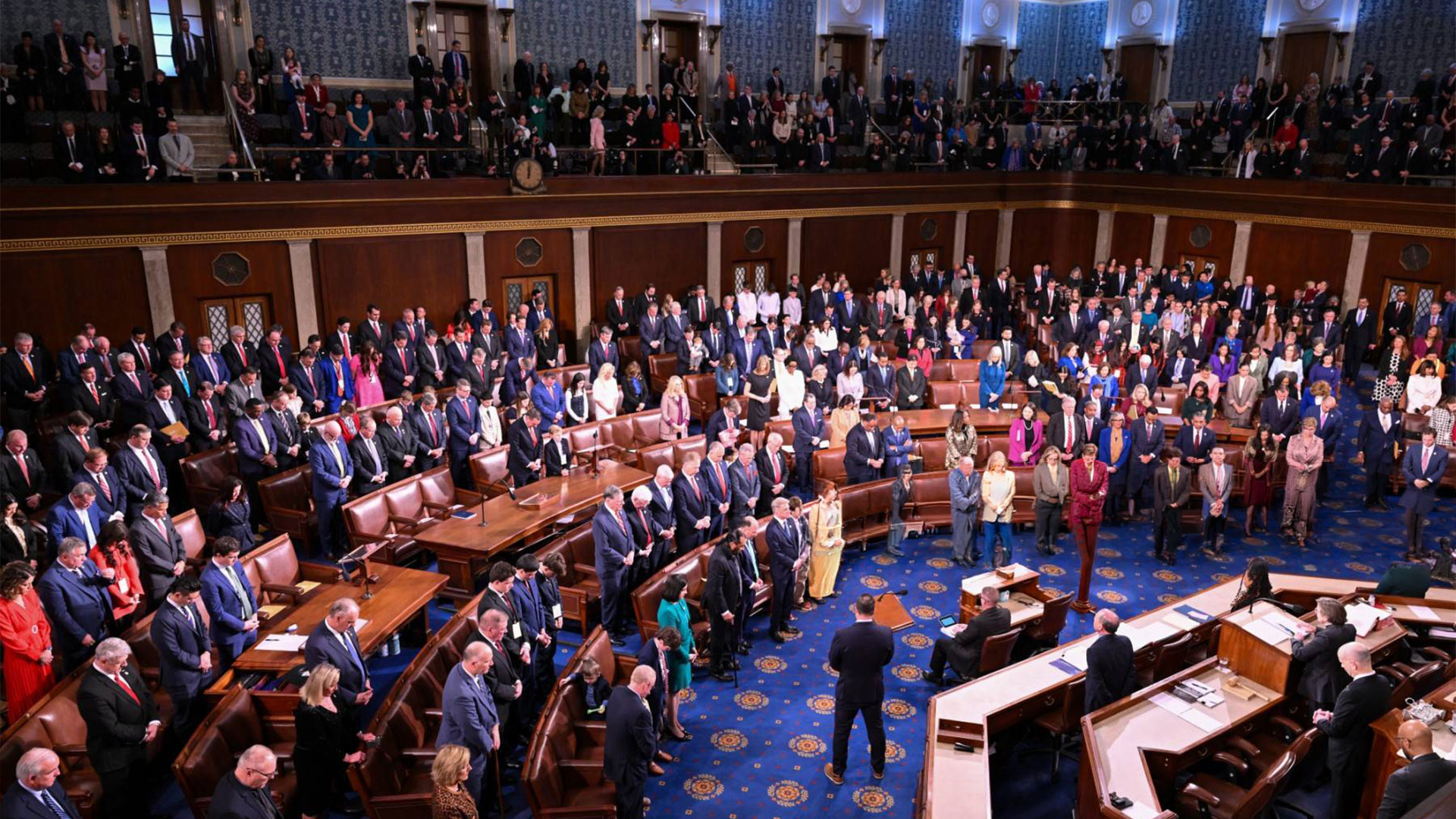
ERBIL (Kurdistan24) — The US House of Representatives on Wednesday passed a sweeping sanctions package targeting Russia over its war in Ukraine, sending the legislation to President Donald Trump for his signature after months of delays.
The House approved the measure, formally known as the Lindsey O. Graham Sanctioning Russia and Iran Act of 2026, by a vote of 262-159. The Senate had already approved the legislation in an 86-11 vote last month, clearing the way for it to reach the White House. Trump has said he intends to sign it into law.
The legislation represents the most substantial congressional effort in the current administration to increase economic pressure on Moscow over Russia’s war in Ukraine.
It targets Russia’s energy and defense sectors, senior Russian officials, and the country’s so-called shadow fleet of tankers used to evade Western sanctions.
A key provision would give Trump authority to impose tariffs of up to 100 percent on countries that are major purchasers of Russian oil and natural gas. China and India, two of Russia’s largest energy customers, could potentially face the measures, although the tariffs would depend on decisions by the administration.
The legislation also includes additional sanctions targeting Iran and companies and foreign actors accused of supporting Russia’s military effort.
Zelensky welcomes passage
Ukrainian President Volodymyr Zelensky welcomed the congressional vote and thanked US lawmakers for approving the legislation.
Zelensky described the measure as a potentially powerful tool for increasing pressure on Moscow and said stronger sanctions were necessary alongside diplomatic efforts involving the United States, Europe and other partners.
The legislation comes as Russia’s full-scale invasion of Ukraine, launched in February 2022, continues into its fifth year, with diplomatic efforts to end the conflict yet to produce a comprehensive peace settlement.
Debate over Trump’s tariff powers
The legislation received bipartisan support but also generated opposition from lawmakers who objected to giving the president broad authority over tariffs.
Fifty-eight Democrats joined most Republicans in supporting the measure, while seven Republicans voted against it. Some Democrats argued that the legislation gives Trump excessive discretion over trade policy and does not require the administration to impose sanctions in every circumstance.
The bill had been championed by Republican Senator Lindsey Graham, who introduced the legislation in April 2025 and spent more than a year negotiating its provisions. It was subsequently renamed in his honor following his death in July 2026.
The timing of Wednesday’s vote was also significant, coming on the final day the House was scheduled to meet before lawmakers leave Washington for the period leading up to the November midterm elections.
India faces potential impact
India, one of Russia’s largest oil customers, could be among the countries affected by the new tariff authority. New Delhi has maintained that it will continue making energy-purchasing decisions based on its national interests and changing market conditions.
The potential tariffs add another layer to the increasingly complex economic relationship between Washington, New Delhi and Moscow, as India remains a major buyer of discounted Russian crude while maintaining strategic ties with the United States.
The legislation also puts additional pressure on countries and companies involved in Russia’s energy trade, particularly those helping Moscow maintain export revenues despite existing Western sanctions.
Once signed by Trump, the measure will become law and provide the administration with additional statutory tools to pressure Russia and countries continuing to conduct significant trade in Russian energy.