Trump Returns to White House Unexpectedly
President cuts short Camp David weekend as Houthi ballistic missile intercepted over Riyadh, State Department issues regional security warnings, Netanyahu cancels Texas trip, and Iran's Rezaei reiterates full list of conditions for talks
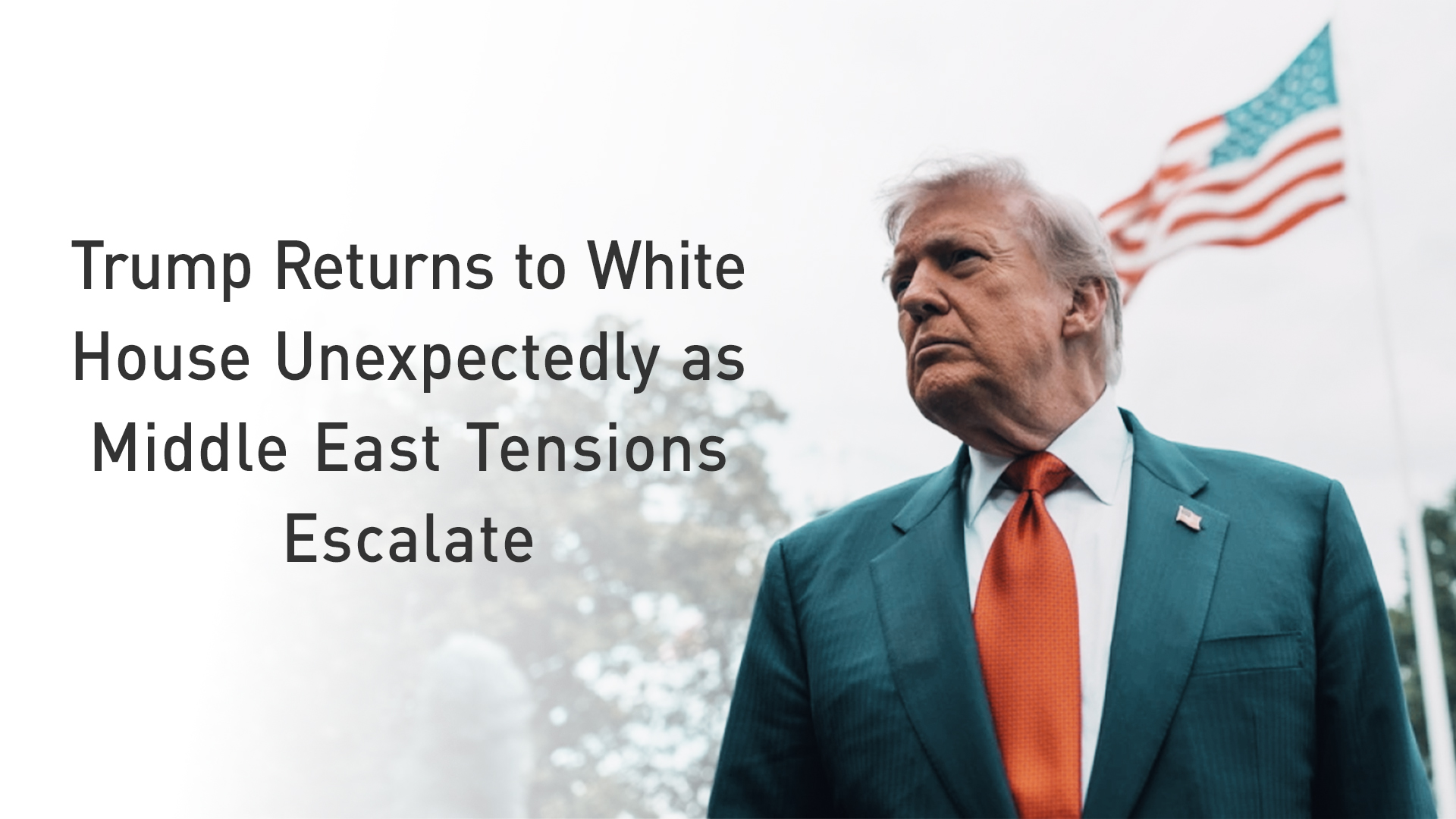
ERBIL (Kurdistan 24) - President Donald Trump returned to the White House unexpectedly on Saturday cutting short his Camp David weekend ahead of schedule as Middle East tensions escalated, with a Saudi-led coalition intercepting a Houthi ballistic missile aimed at Riyadh in the early morning hours of the same day and CNN reporting from American sources that Trump is discussing the possibility of strikes against the Houthis in Yemen.
The Trump administration provided no explanation for the early return, which had been scheduled for Sunday. Changes to the White House travel schedule at weekends are not unusual, particularly due to weather conditions, with thunderstorms forecast for Sunday in the mountainous Camp David area in Maryland. However, the timing of the return coincided with the interception announcement and the broader escalation of regional tensions.
The US State Department and several American embassies in the Middle East issued security warnings to American citizens, citing the possibility of unexpected escalation and noting that the Houthis are engaged in hostile activity against Saudi Arabia, while warning of the potential for rapid deterioration of the situation.
Netanyahu Cancels Texas Trip
Israeli Prime Minister Benjamin Netanyahu separately cut short his American visit, cancelling a planned trip to Texas where he was scheduled to meet Elon Musk, and will instead travel to New York on Thursday before returning to Israel the same day, Israel's Yedioth Ahronoth reported.
Iran's Conditions for Talks
On the diplomatic front, Iran maintained its hardline stance. Mohsen Rezaei, Secretary General of Iran's Supreme National Security Council, reiterated his country's conditions for returning to negotiations on Saturday night in a post on X, saying Tehran has communicated 7 percent of its conditions to the American government through intermediaries as a starting point for any talks aimed at exiting the current crisis.
"If Washington wants to exit the deadlock it has put itself in and not get further entangled, it has no option but to recognize Iran's rights and accept its conditions," Rezaei wrote. Those conditions, as repeatedly stated by Iranian officials, include a full cessation of the war and military operations on all fronts, the lifting of America's naval blockade on Iranian ports, the complete release of all Iranian frozen financial assets abroad, a permanent and complete halt to all American threats and aggressions against Iranian territory and interests, recognition of Iran's legitimate rights to use nuclear energy for peaceful purposes and navigation, the lifting of all sanctions, and the withdrawal of American forces from near Iran's borders and strategic waterways including the Strait of Hormuz.
Escalating Yemen Front
Tensions between Yemeni government forces and the Houthis have been escalating on the western coastal fronts in particular, following the Iran-backed group's capture of several Bab al-Mandeb and Red Sea islands and its attempts to target Saudi areas, most recently the Saudi capital Riyadh with a ballistic missile intercepted on Saturday morning.
The convergence of Trump's unexpected White House return, CNN's report of active discussions about Houthi strikes, the State Department security warnings, Netanyahu's cancelled Texas trip, and Rezaei's reiterated conditions presents the clearest picture yet of a conflict approaching a decisive inflection point. Trump said Friday that the war will end soon and that he is talking to the Houthis. Saturday's events suggest that the timeline he has in mind may be measured in days rather than weeks.