Kurdish Lawmakers Unite Against Iraq’s 2027 Budget Draft, Citing Cuts to Kurdistan Region’s Share
Kurdish parliamentary blocs warn they will reject the proposed budget unless constitutional and financial entitlements are guaranteed, as figures in the draft show the Region’s allocation falling to 6.1 percent of total spending
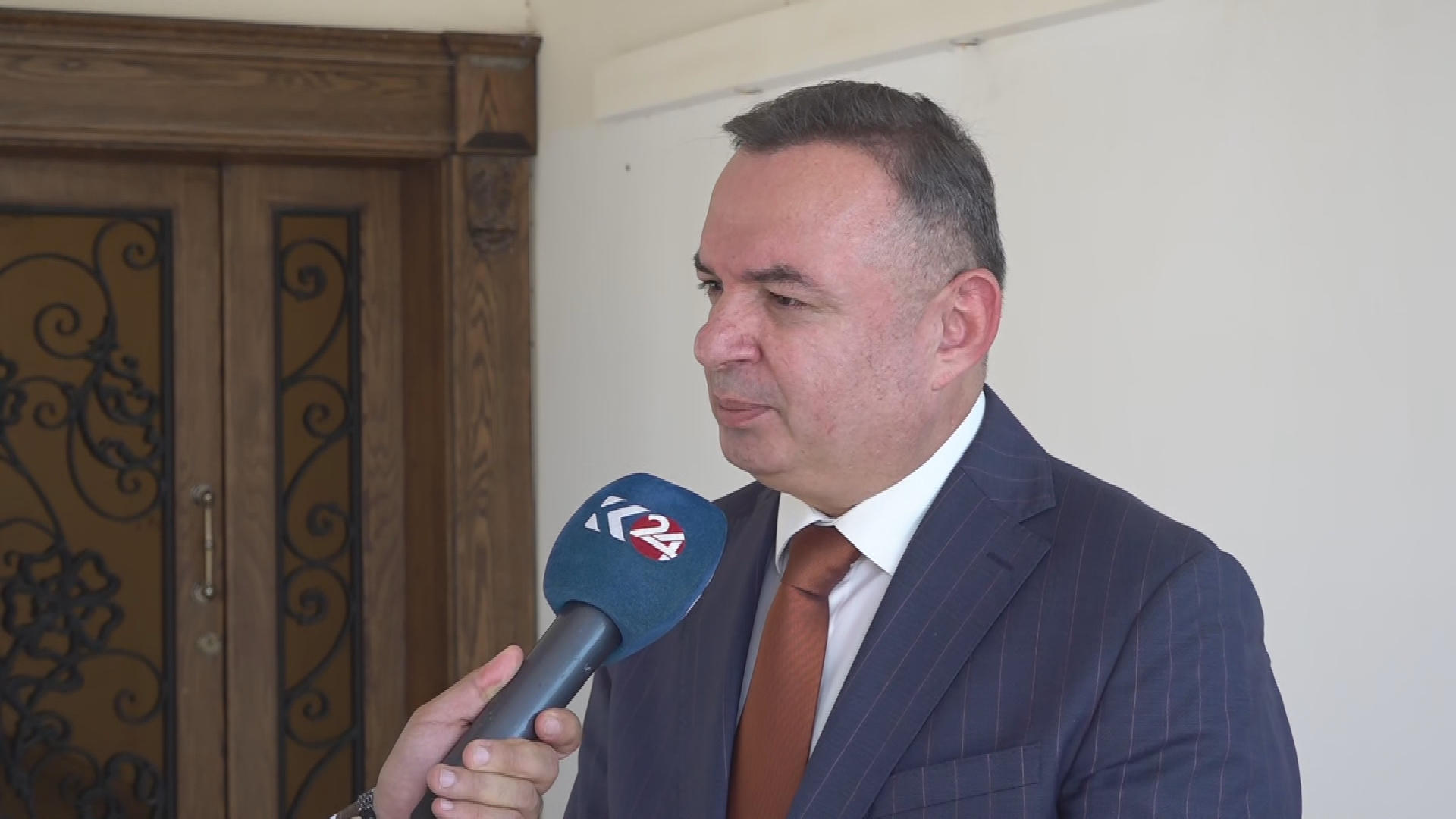
ERBIL (Kurdistan24) — Kurdish lawmakers in Iraq’s parliament are forming a united front against the federal government’s proposed 2027 budget, warning that the draft undermines the Kurdistan Region’s constitutional and financial entitlements and could deepen disputes between Erbil and Baghdad.
Sherwan Dobardani, a member of the Kurdistan Democratic Party (KDP) parliamentary bloc, described the draft budget as a “disaster,” arguing that it fails to respect the Region’s constitutional rights and does not adequately reflect population census results.
Speaking to Kurdistan24, Dobardani said the draft contains numerous provisions that disadvantage the Kurdistan Region and warned that approving it in its current form would have serious negative consequences.
Among the main points of contention, he cited a requirement tied to the delivery of 400,000 barrels of oil per day, the treatment of non-oil revenues, and debts owed to the Trade Bank of Iraq (TBI).
Dobardani said the Kurdistan Region’s share had been reduced to less than 12 percent, despite what he said should be an allocation of 14.14 percent.
He also questioned the proposed allocation of 13.8 trillion Iraqi dinars to Iraq’s Ministry of Education, arguing that the budget of a single federal ministry should not exceed the Region’s overall allocation.
The lawmaker also criticized provisions concerning public-sector salaries, arguing that employees in the Kurdistan Region should not be penalized if the Region’s revenues are not fully transferred under the proposed arrangements.
He called on Kurdish parliamentary blocs to coordinate their positions and confront what he described as threats to the Region’s rights and financial entitlements.
Kurdish Blocs Reject Draft in Its Current Form
Herim Kamal Agha, head of the Patriotic Union of Kurdistan (PUK) parliamentary bloc in Iraq’s Council of Representatives, told Kurdistan24 that his bloc would not vote in favor of the budget in its current form.
“The law cannot be passed at the expense of the rights of the people,” Agha said, reiterating the bloc’s opposition to the draft as it stands.
A spokesperson for the KDP parliamentary bloc expressed the same position to Kurdistan24, saying its lawmakers would reject the proposal unless the Kurdistan Region’s financial entitlements and constitutional rights were guaranteed.
According to Kurdistan24’s information, consultations and meetings among Kurdish parliamentary blocs are continuing, with the blocs so far sharing a common position against approving the draft in its current form.
The emerging cross-party alignment could increase pressure on Baghdad to reconsider the proposed allocations and the conditions governing the Region’s access to federal funds.
The draft reportedly includes only operational expenditure for the Kurdistan Region, with no specific allocations identified for new employment or development projects.
The operational funding itself is described as insufficient to cover the Region’s full salary bill, making the proposed allocation the lowest in five years.
These figures have intensified concerns in Erbil that the draft would constrain the Region’s ability to meet public-sector obligations and finance development projects at a time when federal budget revenues and expenditure levels have also changed.
Oil Conditions and Constitutional Disputes at the Center of the Standoff
Another major point of contention is the draft’s continued reference to 400,000 barrels of oil per day from the Kurdistan Region, the same volume specified in the 2023 budget arrangements, despite oil exports from the Region having been halted following attacks on energy infrastructure.
Dobardani also raised concerns over the treatment of non-oil revenues and the Region’s financial obligations to the Trade Bank of Iraq, arguing that the provisions collectively place an unfair burden on the Kurdistan Region.
The dispute over the budget reflects a wider, longstanding disagreement between Erbil and Baghdad over the implementation of Iraq’s Constitution, the distribution of federal revenues, oil and gas management, and the financing of public-sector salaries in the Kurdistan Region.
The Kurdistan Region is seeking an allocation of around 14 percent in the 2027 budget based on population census results. Kurdish lawmakers argue that the distribution should reflect the Region’s constitutional entitlements and population rather than conditions they consider financially punitive.
The developing unity among Kurdish parliamentary blocs places the proposed budget at a critical stage in Iraq’s legislative process. If the blocs maintain their opposition, the federal government could face increased pressure to revise the draft and address their concerns before a vote.
For Kurdish lawmakers, the central demand is that the 2027 budget guarantee the Kurdistan Region’s constitutional and financial rights rather than impose conditions that could further restrict its public finances.