New Planting Phase Expands Erbil's Green Belt
Erbil's Green Belt project enters its second phase with 400,000 trees to be planted Saturday and nearly 800,000 new saplings expected by year-end.
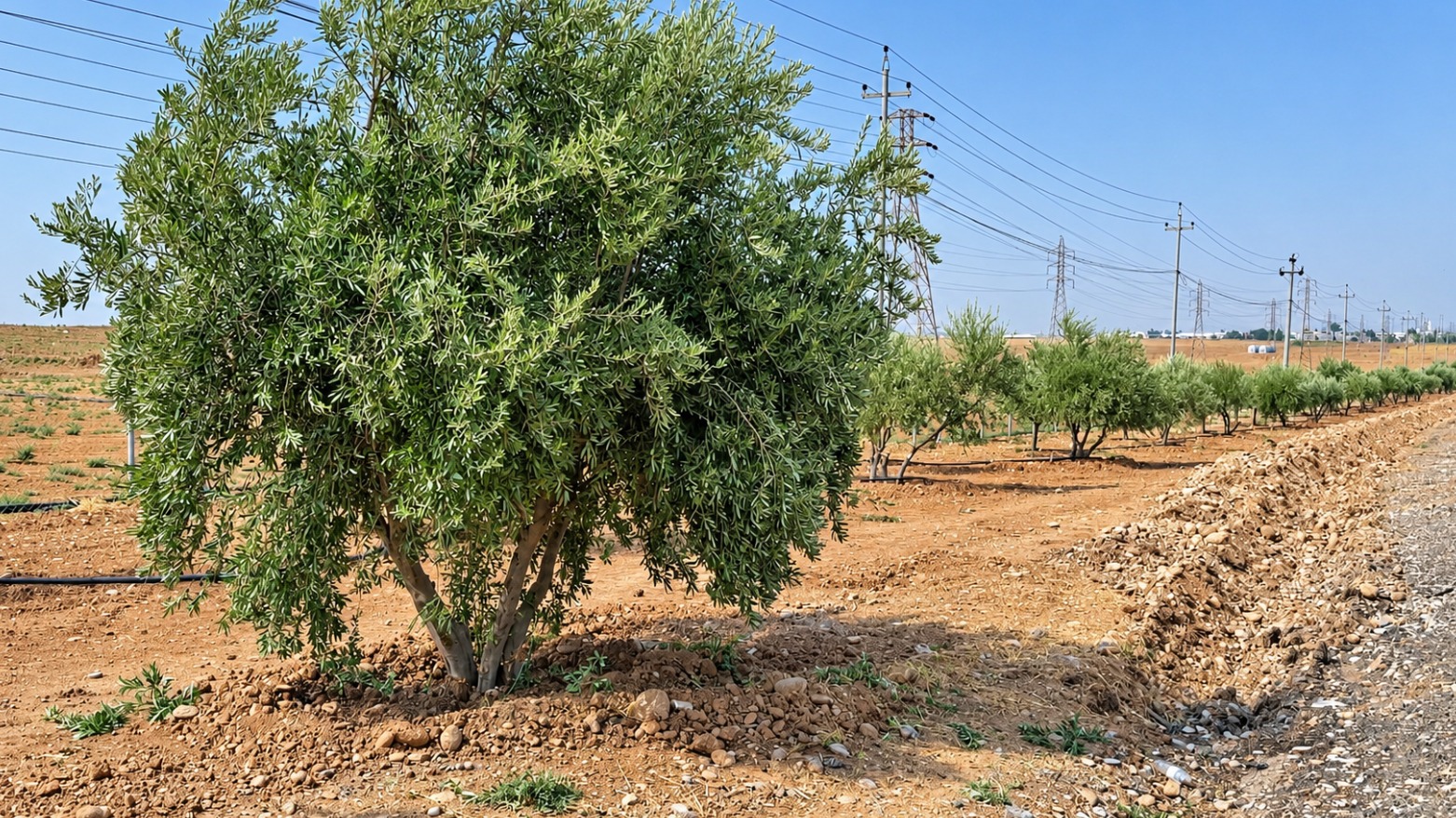
ERBIL (Kurdistan24) - The Erbil Green Belt project is entering its second phase, with 400,000 trees scheduled to be planted on Saturday and nearly 800,000 new saplings expected to be in the ground by the end of December.
Kurdistan24 correspondent Ahmed Abdulsamad, reporting from Erbil, said preparations have been completed for planting in the first section of the project's second zone as part of the autumn planting season.
Most of the new saplings will be olive trees, although pistachio, orange and other varieties are also planned for areas where climate conditions are suitable.
The new planting follows the completion of the project's first phase, during which nearly 700,000 trees were planted across approximately 2,500 dunams of land.
According to Abdulsamad, those trees have now grown and matured and are producing olives.
Beyond increasing green space around the capital, the project is intended to have an agricultural and economic role.
The productive trees are expected to provide a foundation for future factories producing olive oil and table olives, linking environmental protection with local agricultural production and potential employment.
The Erbil Green Belt is one of the major projects being implemented under the Kurdistan Regional Government's Ninth Cabinet and is being carried out under the supervision of Prime Minister Masrour Barzani.
The broader plan calls for a forest belt approximately two kilometers wide stretching between 85 and 92 kilometers around Erbil.
Across eight phases, authorities aim to plant seven million productive olive and pistachio trees.
Ten large water ponds are also planned to collect and supply water for the trees, providing infrastructure intended to support the long-term sustainability of the project.
The environmental targets are substantial.
According to the project plans, implementation is expected to increase Erbil's green coverage to nearly 25%.
The belt is also expected to absorb between 140,000 and 210,000 tons of carbon dioxide annually, while helping reduce dust storms and lower temperatures around the city.
Officials also expect the project to create hundreds of jobs for local residents as planting, irrigation, agricultural production and related industries expand.
The project therefore combines several objectives: increasing green coverage, limiting the effects of climate change, expanding productive agriculture and creating opportunities for industries connected to olive and pistachio cultivation.
Tourism is also considered part of the project's longer-term potential, as the green belt is designed to transform the landscape surrounding Erbil while creating new agricultural areas around the city.
The immediate focus, however, is the autumn planting campaign.
With 400,000 trees scheduled to be planted in the prepared area on Saturday, the second phase is set to expand rapidly through the final months of 2026.
By the end of December, nearly 800,000 additional saplings are expected to have been planted, moving the project closer to its long-term target of seven million productive trees around the Kurdistan Region's capital.