Christian Alliance Calls for Genuine Representation in Iraqi Government
Christian Alliance Secretary Ano Jawhar says Iraq's Christians are seeking constitutional rights and genuine representation rather than simply government positions.
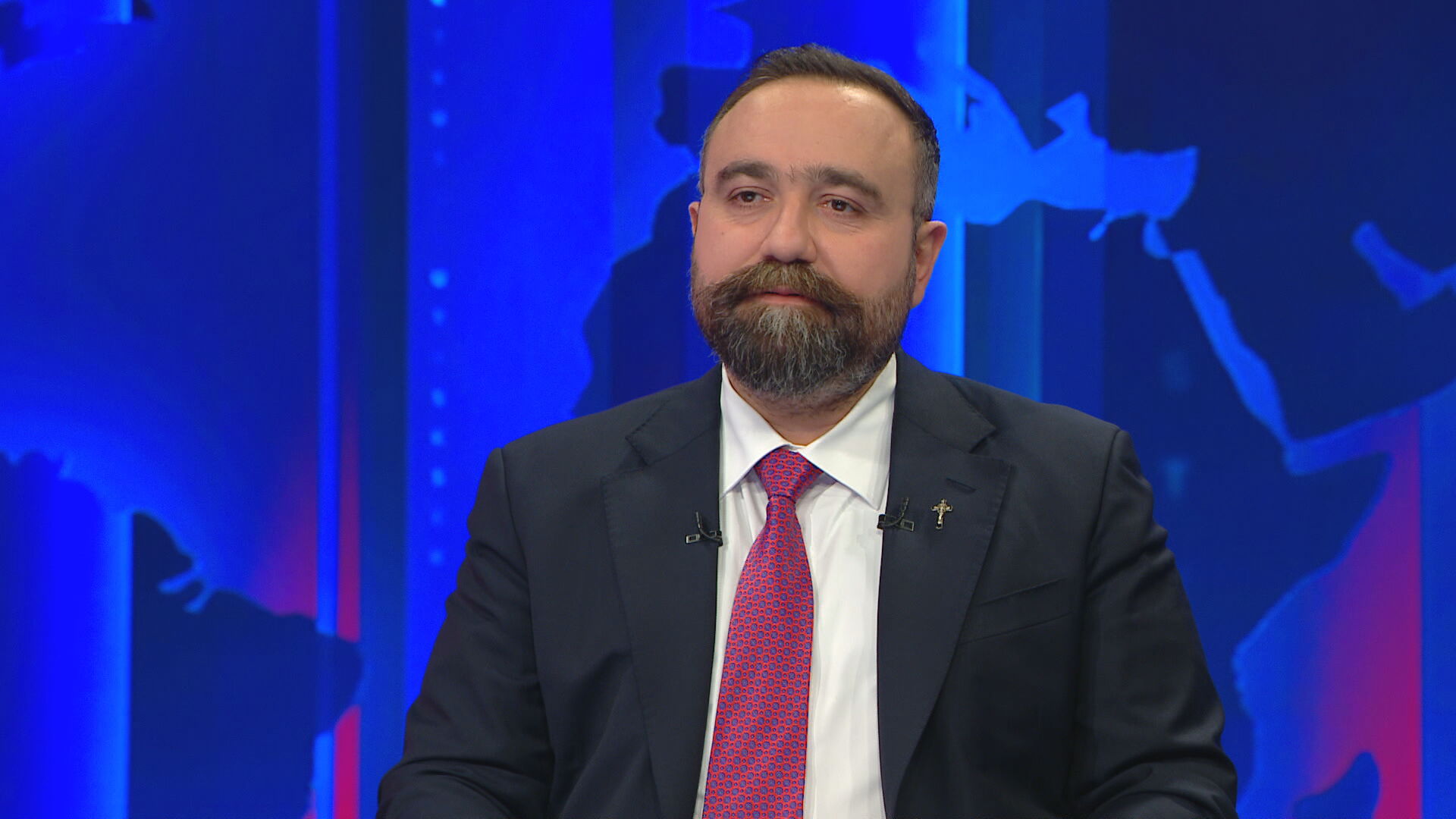
ERBIL (Kurdistan24) - Christians in Iraq are seeking the restoration of their constitutional rights and genuine participation in political decision-making rather than competing merely for government positions, Ano Jawhar, Secretary of the Christian Alliance, told Kurdistan24.
Speaking on Kurdistan24's Basi Roj program on Oct. 18, Jawhar addressed the debate over the federal Ministry of Migration and Displacement and wider concerns about Christian political representation.
Jawhar said the Soyana bloc holds three of the five Christian quota seats in Iraq's parliament and argued that this gives the bloc a legitimate claim to the Migration and Displacement Ministry.
He added that five of the nine lawmakers representing Iraq's components also support Soyana.
For Jawhar, however, the issue goes beyond which political group receives a ministry.
"In Iraq, we fight for rights, not positions," he said in outlining the Christian Alliance's approach.
If political parties cannot agree on Soyana's nominee, Jawhar said the prime minister should appoint a competent and independent Christian figure who has the support of the majority of the Christian community rather than imposing a candidate from outside that consensus.
He also raised concerns about conditions in the Nineveh Plains.
Jawhar alleged that armed groups and outside interference have used weapons, financial influence and economic offices to weaken what he described as genuine Christian political representation.
He further argued that such forces have obstructed efforts to normalize conditions in the area and facilitate the return of displaced residents.
The source material does not include responses from the groups or political actors criticized by Jawhar.
The Christian Alliance secretary also called for changes to Iraq's electoral quota system.
He proposed establishing separate voter registers for Christians and other components so that only members of those communities could vote for candidates competing for their designated quota seats.
Jawhar argued that the current arrangement allows larger political parties and armed groups to influence quota elections through voters from outside the communities those seats are intended to represent.
Such reforms, he said, would give Christians and other components greater control over choosing their own representatives and reduce external political interference.
Jawhar also compared the circumstances facing Christians elsewhere in Iraq with those living in the Kurdistan Region.
He claimed that more than 80% to 90% of Iraq's Christians have moved to cities in the Kurdistan Region, attributing that movement to what he described as the Region's peaceful environment and culture of coexistence.
He praised President Masoud Barzani's historical approach toward national and religious communities, saying it had contributed to protecting their rights and freedoms.
Throughout the interview, Jawhar presented the dispute over the Migration and Displacement Ministry as part of a wider question about how Christians participate in Iraq's political system.
His central demand was that Christian representation should reflect the choices of the community itself, whether in ministerial appointments, parliamentary quota seats or broader political decision-making, rather than decisions imposed by larger political forces.