DEM Party Co-Chair Says Türkiye’s Peace Process Must Rise Above Political Rivalry
Speaking at a press conference, Bakirhan stressed that the process is closely linked to the future of democracy in Türkiye and requires the active participation of all political parties.
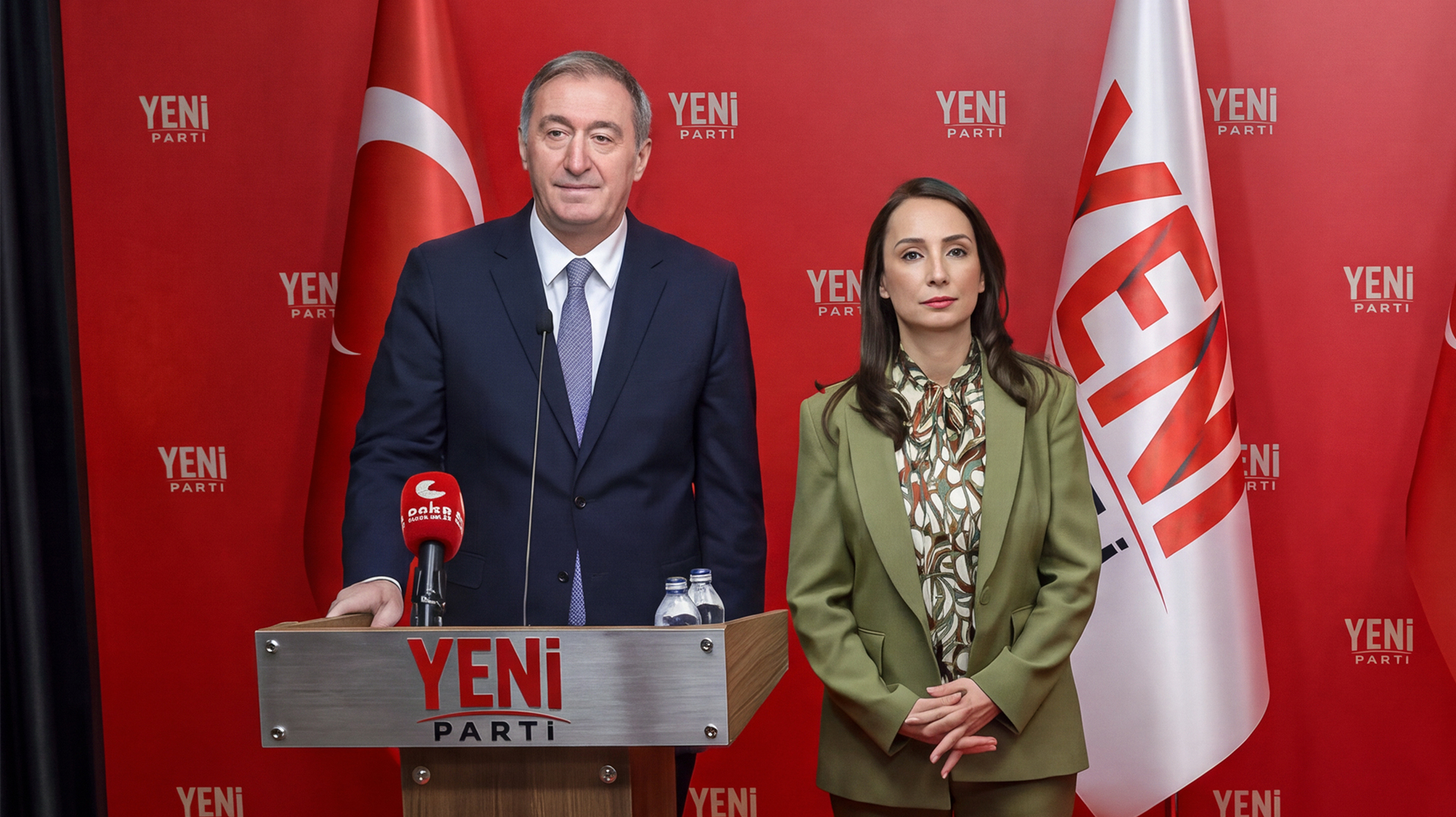
ERBIL (Kurdistan24) – Tuncer Bakirhan, co-chair of Türkiye’s Peoples’ Equality and Democracy Party (DEM Party), has called on the government and opposition to treat the peace process as a shared national responsibility, warning against turning it into a source of political competition.
Speaking at a press conference, Bakirhan stressed that the process is closely linked to the future of democracy in Türkiye and requires the active participation of all political parties.
“The issue of peace must not become a tool of rivalry between the government and the opposition,” Bakirhan said, emphasizing that peace is a common concern for all segments of Turkish society.
He also underscored the importance of implementing legislation related to the process, arguing that the real value of any law depends on its enforcement rather than its adoption alone. He called on the speaker of parliament to take responsibility and initiate the necessary steps to ensure implementation.
Bakirhan further noted that a parliamentary oversight mechanism should already have been established but had yet to materialize. He urged parliament to set up the body without further delay, with the participation of all political parties.
The DEM Party co-chair maintained that the legislation should not be viewed as an issue concerning only the Kurds, but as one directly connected to peace, democratic development, and the future of the entire country.
The latest debate comes amid renewed efforts to address the decades-long conflict between the Turkish state and the Kurdistan Workers’ Party (PKK), which has profoundly affected Türkiye’s Kurdish population and security landscape.
Previous attempts to resolve the conflict through negotiations have struggled to produce a lasting settlement. A peace process conducted between 2013 and 2015 collapsed, and renewed fighting followed. Subsequent years saw continued security operations, political tensions, and restrictions affecting Kurdish political movements.
A new phase of efforts emerged in late 2024, when Devlet Bahçeli, leader of the Nationalist Movement Party (MHP) and an ally of President Recep Tayyip Erdoğan, made an unexpected call for imprisoned PKK leader Abdullah Öcalan to address parliament and urge his organization to disarm. The initiative was followed by contacts involving Öcalan, Kurdish political representatives, and state authorities.
In February 2025, Öcalan called on the PKK to dissolve itself and end its armed struggle. The organization subsequently announced a decision to dissolve and disarm in May 2025, marking a significant development in the process. The practical implementation of disarmament, legal arrangements, and the political future of the process have remained central questions.
The debate has also raised questions about the role of parliament in establishing a legal framework, overseeing implementation, and building cross-party support for a lasting settlement. The DEM Party has emphasized that any durable process must extend beyond security measures to address democratic rights and political inclusion.
Bakirhan’s latest remarks reflect that position, placing particular emphasis on parliamentary oversight, the implementation of legislation, and the need to prevent political divisions from undermining the process.