Iran Will Not Allow Enriched Nuclear Material to Leave Country: Security Chief
“Not even a tiny bit of enriched nuclear material will leave Iran. Such materials constitute a major asset and national wealth for the Iranian people, intended for use within the country,” Rezaei, secretary of Iran’s Supreme National Security Council, was quoted as saying.
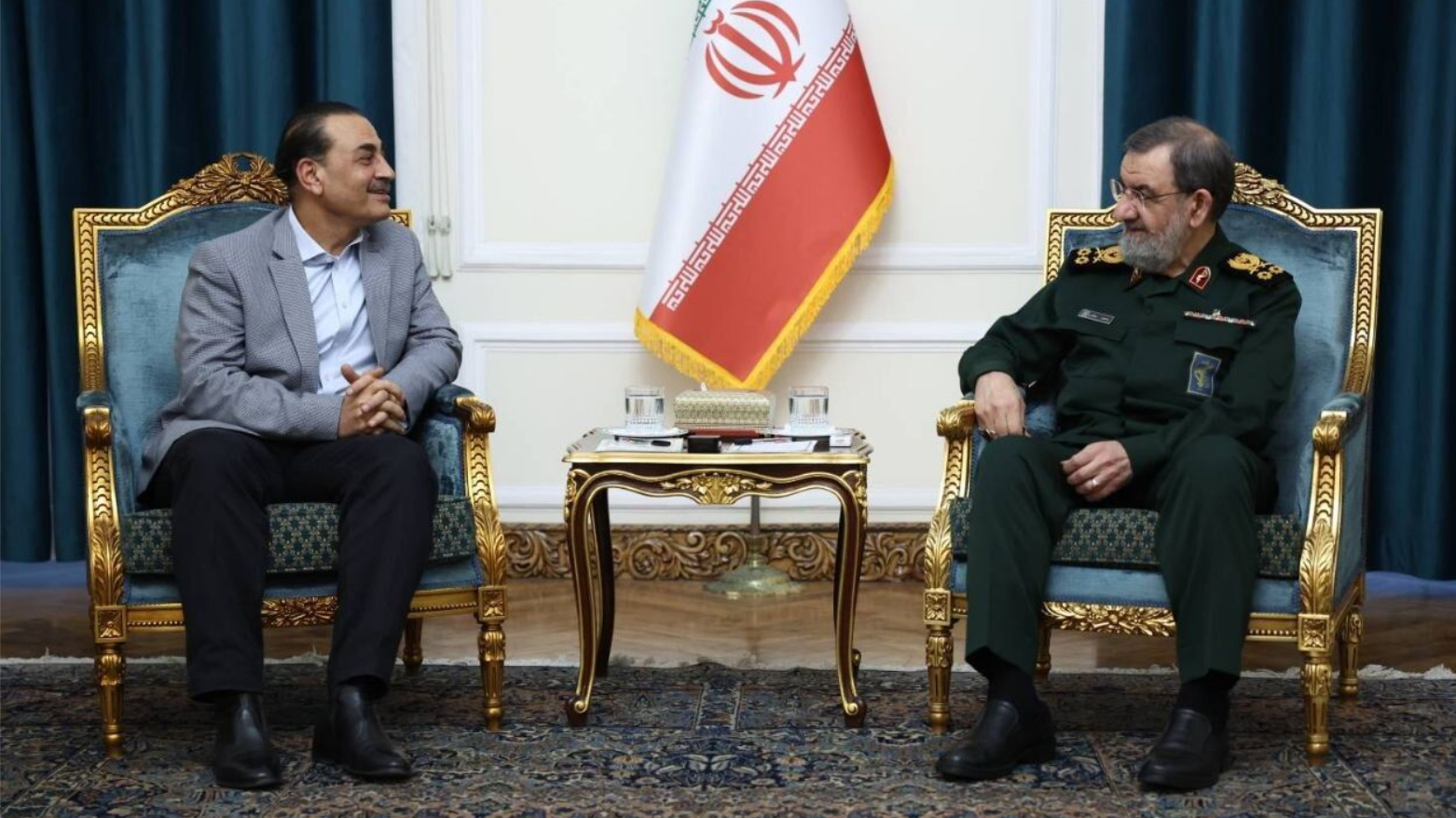
ERBIL (Kurdistan24) — Iran will not allow any enriched nuclear material to leave the country, Iranian security chief Mohsen Rezaei told visiting Pakistani army chief Asim Munir on Tuesday, according to Iranian state television.
“Not even a tiny bit of enriched nuclear material will leave Iran. Such materials constitute a major asset and national wealth for the Iranian people, intended for use within the country,” Rezaei, secretary of Iran’s Supreme National Security Council, was quoted as saying.
Rezaei also said negotiations with the United States would not resume until Washington took steps to build trust and met Tehran’s conditions.
“There will be no negotiations until America takes steps to build trust — a process that must begin with the fulfilment of Iran’s conditions,” he said.
Munir’s visit comes as diplomatic efforts continue to secure a lasting agreement between Tehran and Washington following the ceasefire reached in April 2026 after a direct military conflict involving Iran, the United States, and Israel earlier that year.
The dispute over Iran’s nuclear programme remains a central obstacle to a broader settlement, including disagreements over enriched uranium and the conditions under which negotiations could proceed.
The conflict has also heightened tensions over the Strait of Hormuz, a strategic waterway through which a significant share of global oil supplies passes. Iran has threatened to restrict maritime traffic through the strait and warned of possible retaliation against regional infrastructure if US or Israeli military pressure resumes.
Pakistan has sought to facilitate diplomacy between Tehran and Washington. Munir’s latest visit is part of Islamabad’s efforts to help advance negotiations toward a permanent agreement following the April ceasefire.
Despite the halt in large-scale fighting, a lasting settlement remains unresolved, with nuclear-related demands, regional security concerns, and control of strategic shipping routes continuing to complicate diplomatic efforts.