Iran FM Spokesman: Ball In Washington’s Court
Foreign Ministry spokesman Esmaeil Baghaei says the Strait of Hormuz will not reopen until the US lifts its naval blockade and meets Iran’s demands, and warns that US threats against Iran’s nuclear sites are met with international silence
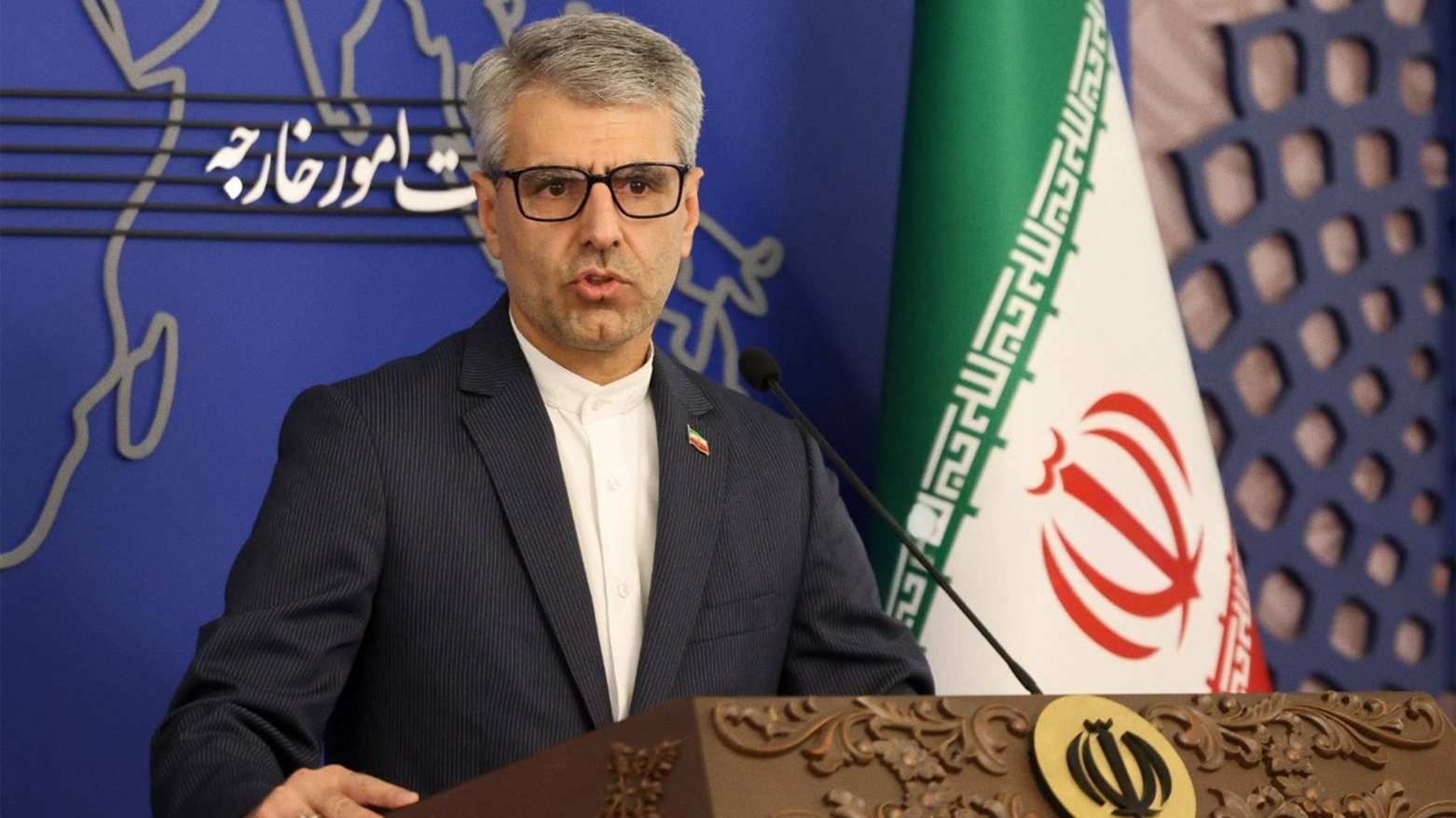
ERBIL (Kurdistan 24) - Iran’s Foreign Ministry spokesman said on Monday that the Strait of Hormuz will not reopen until the US lifts its naval blockade and Iran’s demands are met, and that the decision now rests with Washington. “The ball is in the US court,” Esmaeil Baghaei said at his weekly press conference in Tehran, according to Iran International. He said Washington has so far proved it works to defeat any diplomatic process and has shown no initiative, and that it keeps trying to pull the region deeper into war instead of advancing peace.
Baghaei said Iran has stated its demands clearly, its proposal still stands, and messages continue to pass between Tehran and Washington through mediators. He said Iran had shortened its proposal, which had allowed seven days to reopen the strait, so it could be carried out within two days, calling it a sign of goodwill. He said Iran has conveyed its legitimate demands to the US side in a reasonable manner and will accept no conditions or unilateral decisions.
He said the Supreme National Security Council manages diplomacy and that parliament speaker Mohammad Bagher Ghalibaf remains head of the negotiating team. The trip to Doha by Deputy Foreign Minister Kazem Gharibabadi is meant to facilitate the exchange of messages with the US side through Qatar.
Asked about a shift in tone in a letter from US Vice President JD Vance to the council’s secretary, Mohsen Rezaei, Baghaei said differences in tone are normal but Tehran will judge Washington by its actions. He noted that the letter came from the US lead negotiator at the Islamabad talks even though Trump had called them a waste of time. Trump told a Mississippi rally last week of the ceasefire, “I considered it sort of a waste of time,” and Baghaei wrote on X on Wednesday that it showed Washington’s “contempt for diplomacy.”
Baghaei also warned of the consequences of US threats against Iran’s nuclear facilities. He said it is regrettable that the United Nations, the Security Council and the IAEA Board of Governors have taken no position on direct threats against the principles of peace and stability, and that this silence only strengthens Tehran’s resolve to build up its defensive capabilities. He said explicit or implicit threats, and talk of using “special weapons,” encourage others to violate fundamental international treaties, and that other nuclear-armed states are closely watching Washington’s behavior, which he called a destructive roadmap for the collapse of global stability.He did not say what he meant by special weapons.
Trump has repeatedly threatened to strike Pickaxe Mountain, a buried site near Natanz that analysts say is beyond the reach of the largest conventional bunker-buster, and has said he would never use a nuclear weapon on Iran. Asked what legal steps Tehran will take over the US president’s remarks, Baghaei said Iran continues to document flagrant violations of international law and the UN Charter and register them with the relevant bodies, but that experience shows these mechanisms have remained mere slogans. Pressure will not create a crack in Iran’s national will, he said, and will make it more determined to strengthen its infrastructure and domestic capabilities to defend its territory.
The demand to lift the blockade sits at the center of the dispute. The US imposed it on April 13 after talks in Islamabad led by Ghalibaf and Vance failed. CENTCOM lifted it on June 18 after the sides signed a memorandum of understanding, then reimposed it on July 14 along with new strikes after Iran attacked commercial ships in the strait. In September Iran offered, through Qatar, to reopen the strait and resume nuclear talks within seven days if the US lifted the blockade, waived oil sanctions and observed a ceasefire including Lebanon.
Trump rejected it on September 26. Baghaei told his briefing in October that what has happened in the waterway since February 28 is the direct result of US actions, a claim CENTCOM rejects. On Monday, CENTCOM said Iran deliberately attacked civilian mariners and killed more than 20.
The remarks came as Qatar-mediated diplomacy and military planning ran in parallel. Secretary of State Marco Rubio said on Saturday that Trump has not decided on new strikes, and Trump told an Iowa rally on Sunday that he may eventually have to give Iran “the hammer.” Gulf officials say Washington has warned them strikes could come as early as November 4.