Taliban Urges US to Reconsider Deportation of Afghan Immigrants Through Pakistan
Kabul warns that deportations could expose former US military allies and their families to persecution as Washington seeks to return more than 150 Afghans through Pakistan
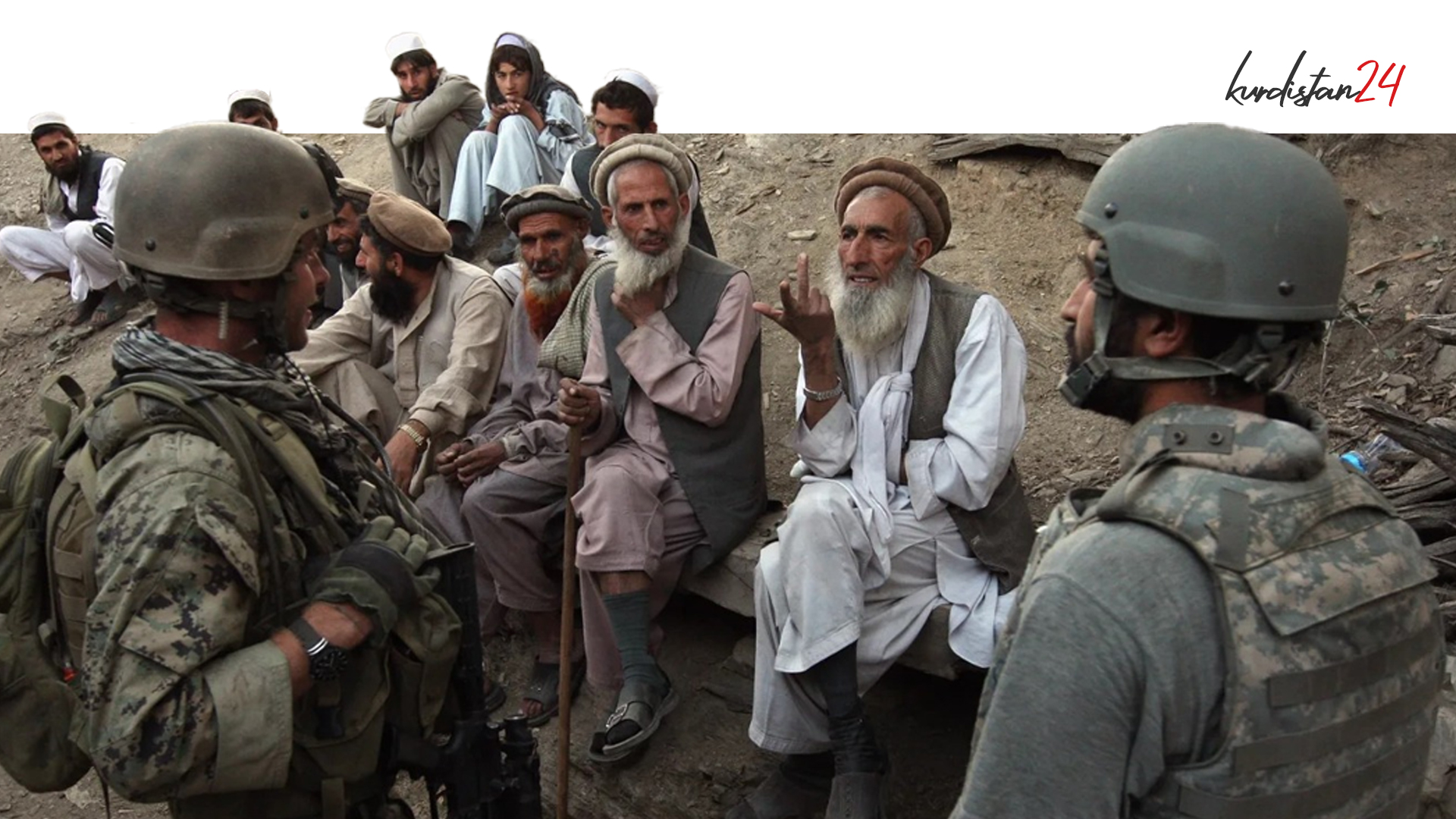
ERBIL (Kurdistan24) — Afghanistan's Taliban authorities on Monday expressed serious concern over reported plans by US President Donald Trump's administration to deport more than 150 Afghan immigrants through Pakistan for eventual return to Afghanistan, warning that the move could endanger people who previously assisted US forces.
The planned deportations reportedly include relatives of Afghans who worked alongside the US military before the Taliban regained power in August 2021, according to US media reports and AfghanEvac, an organisation supporting former Afghan allies.
In a statement, Afghan Foreign Ministry spokesman Abdul Qahar Balkhi urged Washington to adopt a "responsible and measured approach" and coordinate with Kabul before making decisions affecting Afghan citizens.
"The Afghan side is ready to interact in this regard in a practical and mutually understanding manner," Balkhi said.
The Taliban authorities said they were concerned about Afghans who had yet to obtain legal residency documents in Pakistan and called for their rights and legitimate interests to be considered.
Washington cannot directly arrange deportations to Afghanistan because it does not maintain diplomatic relations with the Taliban government. US officials have reportedly said Pakistan would oversee the deportees' transfer across the border into Afghanistan.
Advocacy groups have warned that former US allies and their relatives could face persecution, detention or retaliation if returned.
Although the Taliban announced a general amnesty after taking power and have repeatedly promised that former government employees and Western allies could safely return, the United Nations has documented reports of extrajudicial killings, arbitrary detentions and other abuses.
Pakistan's mass deportation campaign
The planned US deportations come amid Pakistan's ongoing campaign to expel Afghan nationals without valid residency documents, a policy that has forced millions of Afghans to return home after decades of displacement and conflict.
Earlier this year, Islamabad ordered law enforcement agencies nationwide to arrest undocumented Afghan citizens as part of its repatriation policy, raising concerns among humanitarian organisations about the treatment of vulnerable families.
Relations between Pakistan and Afghanistan have also deteriorated significantly since the Taliban takeover in 2021. Islamabad has repeatedly accused the Taliban authorities of allowing militant groups, particularly the Tehrik-e-Taliban Pakistan (TTP), to operate from Afghan territory and launch attacks inside Pakistan. Kabul has rejected the accusations.
Tensions escalated following deadly border clashes in October 2025, bringing relations to a new low and resulting in the near-total closure of major border crossings.
The deteriorating security situation has further complicated the return of Afghan refugees, many of whom fled the country following the Taliban takeover or during earlier decades of war.
Trump's immigration crackdown
The proposed deportations are part of Trump's broader immigration crackdown, which has included travel restrictions affecting Afghanistan and efforts to end deportation protections previously granted to some Afghan nationals.
Following the Taliban's return to power in 2021, thousands of Afghans who had worked with US forces, diplomatic missions and international organisations were evacuated or sought protection abroad, fearing reprisals from the new authorities.
Some were granted special immigrant visas or other forms of protection because of their assistance to the United States during its 20-year military presence in Afghanistan.
The prospect of returning former allies and their families has prompted warnings from veterans' organisations and refugee advocacy groups, which argue that the deportations could expose individuals who supported US operations to serious danger.
The United States completed its military withdrawal from Afghanistan in August 2021, ending its two-decade intervention and paving the way for the Taliban to regain control of the country.
The latest dispute highlights the continuing consequences of that withdrawal, as Washington's immigration policies, Pakistan's deportation campaign and Afghanistan's human rights situation converge over the fate of Afghans who sought refuge abroad.