Ghalibaf: Iran Gave US ‘Strong and Rational Response’
Iran’s parliament speaker says the ball is in Washington’s court to prevent war, as the military warns a new war could hit $2 trillion of regional digital infrastructure.
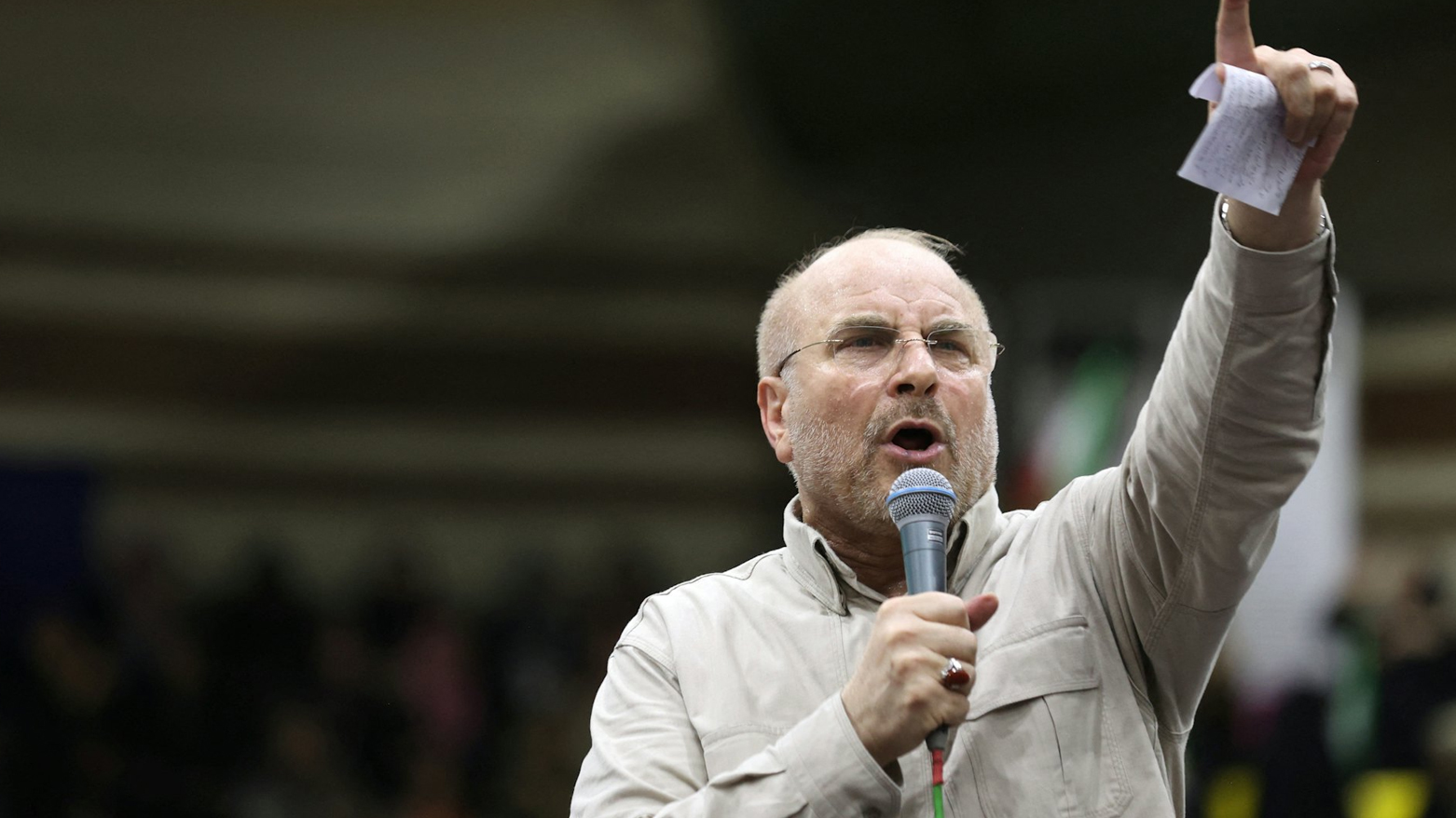
ERBIL (Kurdistan 24) - Iran’s parliament speaker Mohammad Bagher Ghalibaf said on Tuesday that Tehran has given Washington a strong and rational response and that the ball is now in Washington’s court to prevent war. He said Iran is at its highest level of defensive readiness, and warned that another “strategic mistake” by the US would open a new battlefield from which it would struggle even more to find a way out, according to Iran International. Ghalibaf is Iran’s lead negotiator. On Monday he said progress is possible only once Iran’s seven conditions are agreed and that the carrot-and-stick approach has no effect on Iran, and President Masoud Pezeshkian said Supreme Leader Mojtaba Khamenei had granted the government powers in the talks.
The Khatam al-Anbiya Central Headquarters, Iran’s unified military command, warned that another war could endanger undersea cables in the region, data centers, artificial intelligence facilities and other strategic infrastructure it estimated at $2 trillion, according to the text provided to Kurdistan 24. The $2 trillion figure was first used earlier this month by Mohsen Rezaei, secretary of Iran’s Supreme National Security Council, who said such assets would be within range in a war. On October 19 the IRGC pointed to seven internet cables crossing the Strait of Hormuz and warned of new targets. Two senior Iranian security officials told Reuters that Tehran has detailed plans to hit Gulf undersea cables if attacked again, with “no more red lines,” and that Gulf states should hold Washington responsible for any damage. Iran hit Amazon Web Services data centers in the UAE and Bahrain earlier in the war, saying it was responding to US attacks on Iranian civilian installations. The valuation is Iran’s own, and no independent estimate was found.
Foreign Minister Abbas Araghchi said Iran’s goal is a new regional security arrangement without foreign military presence, according to the text provided. He said negotiations with Saudi Arabia are continuing. Araghchi made a similar point on October 28 after Saudi, Turkish and Pakistani officials visited Tehran, saying lasting security must be achieved through regional nations without the military presence of outside powers. Saudi Arabia has described that visit as part of efforts to reduce tensions, and Houthi attacks on the kingdom have continued.
Rezaei also discussed developments in the Middle East in a phone call with Russian President Vladimir Putin, Reuters reported, citing Iranian state media, as Iran says contacts over ending the war with the US continue. Putin told President Donald Trump on October 9 that Moscow’s offer to take Iran’s enriched uranium remains on the table, and Russia’s Foreign Ministry warned on Monday that signs of new military action against Iran are extremely alarming.
The statements came a day after the US carried out limited strikes on Iran’s Qeshm Island, which US officials called defensive. Iran says it could reopen the Strait of Hormuz within two days if Washington accepts its demands, and Gulf officials say the US warned them larger strikes could come as early as November 4.