Erbil Green Belt to Plant 1.8 Million Greek Olive Trees in Second Phase
Karwan Meski, Executive Director of the Erbil Green Belt Project, said on Thursday that the olive saplings would be planted in stages, in accordance with the appropriate planting season, rather than all at once.
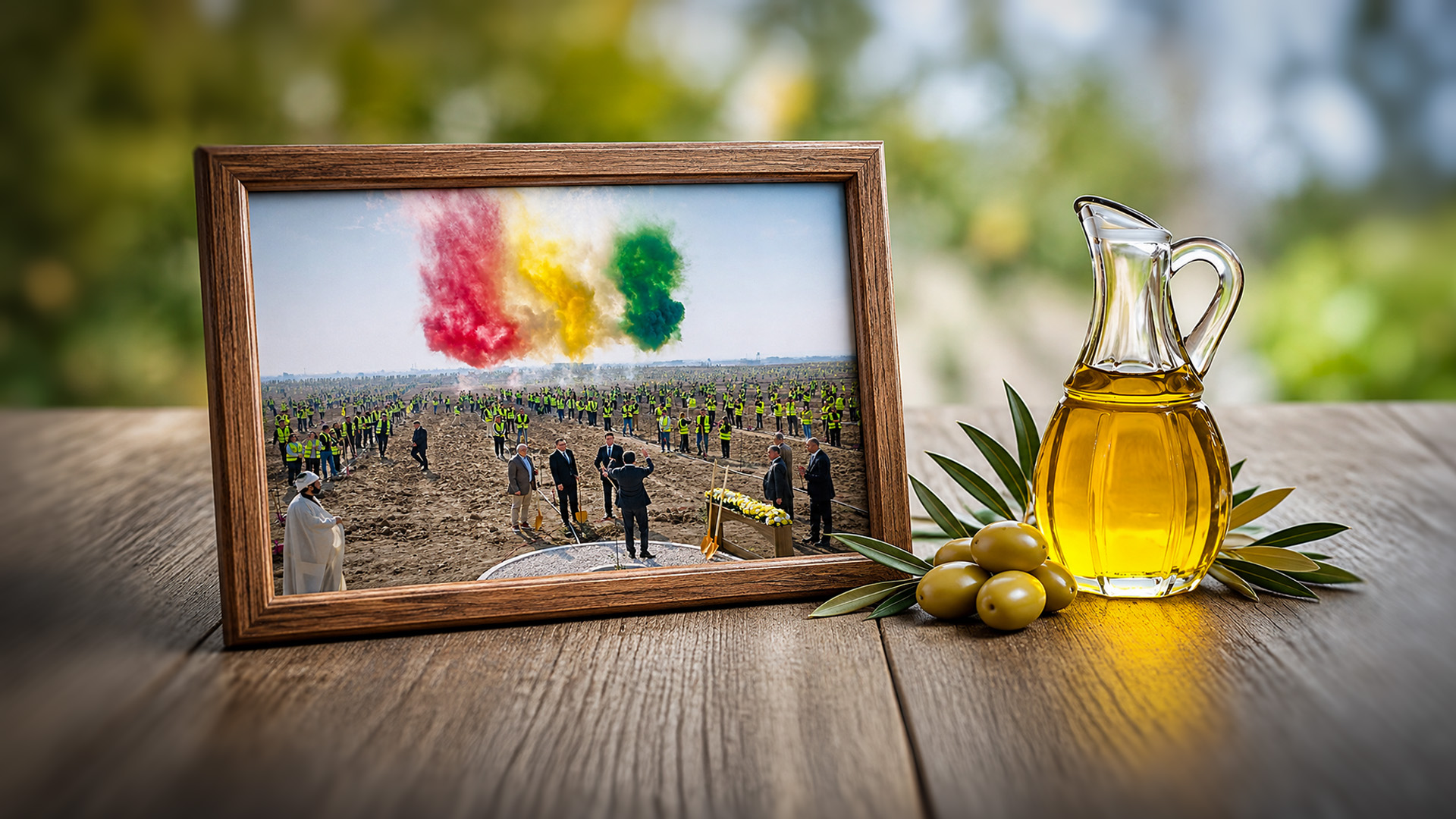
ERBIL (Kurdistan24) – The second phase of the Erbil Green Belt Project will see the planting of 1.8 million olive trees imported from Greece, while plans are underway to establish a factory to produce olive oil from the project's harvest, an official told Kurdistan24 on Thursday.
Karwan Meski, Executive Director of the Erbil Green Belt Project, said on Thursday that the olive saplings would be planted in stages, in accordance with the appropriate planting season, rather than all at once.
He explained that the imported saplings would be one year old and would require approximately three years to mature and begin producing olives.
Regarding the proposed olive oil factory, Meski said the project was still in the planning stage and that no final decision had been made on the construction schedule. However, he expected a decision on the factory's establishment date, production capacity, and other technical details by Monday or Tuesday next week.
Meski also highlighted the project's employment opportunities, saying that thousands of jobs had already been created for young people and local workers through activities in both phases. He added that the establishment of the olive oil factory would generate further employment opportunities.
The second phase covers 11,000 dunams, extending from Gazan village along the main Erbil-Duhok road to Sebiran on the Erbil-Khabat road. More than 1.8 million olive trees are expected to be planted across the area.
According to the implementation plan, 10 percent of the work in the second phase is scheduled to be completed within one year.
Meanwhile, the first phase has seen the planting of 700,000 saplings across 4,200 dunams.
The overall project stretches 78 kilometers around Erbil and aims to plant seven million trees, including olive, pistachio, and orange varieties.
The initiative is expected to help reduce dust levels and improve air quality in Erbil. It is also projected to cut harmful gas emissions by approximately 210,000 tonnes annually, contributing to a healthier environment in the Kurdistan Region's capital.
Kurdistan Region Prime Minister Masrour Barzani officially launched the second phase of the Erbil Green Belt Project on Sunday.