UNEP: Erbil Green Belt Could Help Combat Climate Change and Sandstorms
The UN agency stressed that Iraq and the wider region are among the areas most exposed to climate change, facing increasing challenges from extreme heat, drought, land degradation, and recurrent sand and dust storms.
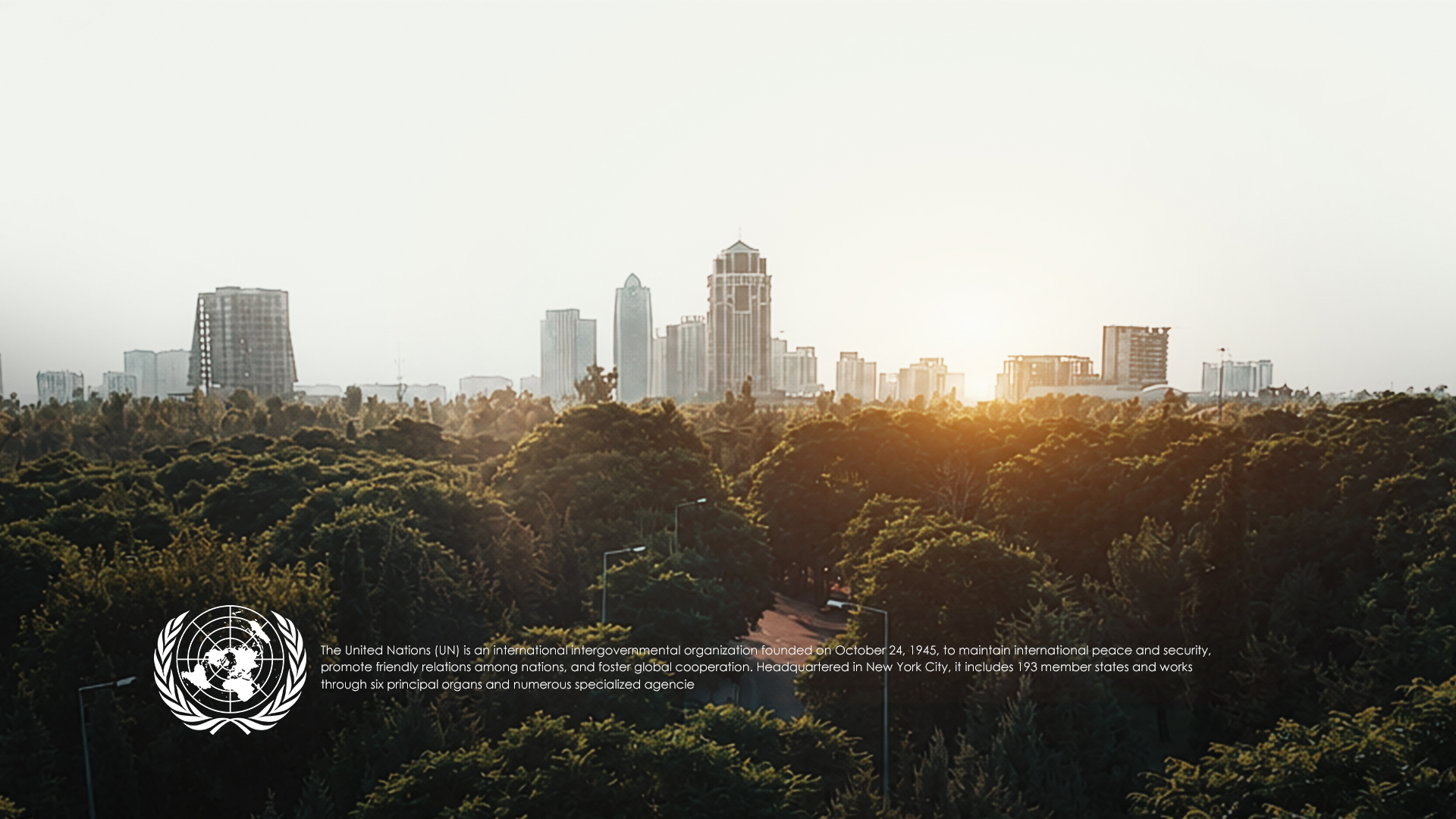
ERBIL (Kurdistan24) – The United Nations Environment Programme (UNEP) has highlighted the potential benefits of large-scale green belt projects in addressing climate change, land degradation, and sand and dust storms, saying such initiatives can provide valuable environmental benefits when properly planned and managed.
In a response to Kurdistan24's email enquiry on Friday, UNEP clarified that it is not directly involved in the Erbil Green Belt project and therefore could not comment on its specific design, figures, or expected outcomes.
However, the UN agency stressed that Iraq and the wider region are among the areas most exposed to climate change, facing increasing challenges from extreme heat, drought, land degradation, and recurrent sand and dust storms.
UNEP said well-designed green belts can serve as valuable nature-based solutions by stabilizing soil, reducing wind erosion and local dust, cooling urban neighbourhoods, storing carbon, and creating natural habitats and green employment opportunities.
The agency emphasized that the long-term success of such projects depends on careful planning, including selecting tree and plant species adapted to local environmental conditions, prioritizing native species where possible, sustainably managing scarce water resources, involving local communities, and monitoring results over time.
"Initiatives that follow these principles can offer valuable lessons for other cities in Iraq and across the region," UNEP said.
The programme also explained that nature-based solutions are defined by UN Member States as actions to protect, conserve, restore, sustainably use, and manage natural or modified ecosystems to address social, economic, and environmental challenges while benefiting both people and nature.
UNEP referred to the UN Environment Assembly's Resolution 5/5, adopted in 2022, as the basis for this definition.
The response provides a broader international environmental perspective on the potential role of green belt initiatives in the Kurdistan Region and Iraq, while clarifying that UNEP has no direct involvement in the Erbil project.