KRG’s oil revenue decreases in July
According to the MNR report released on Friday, the KRG exported 14,176,761 barrels of crude oil in total during the month of July, an average of 457,314 barrels a day.
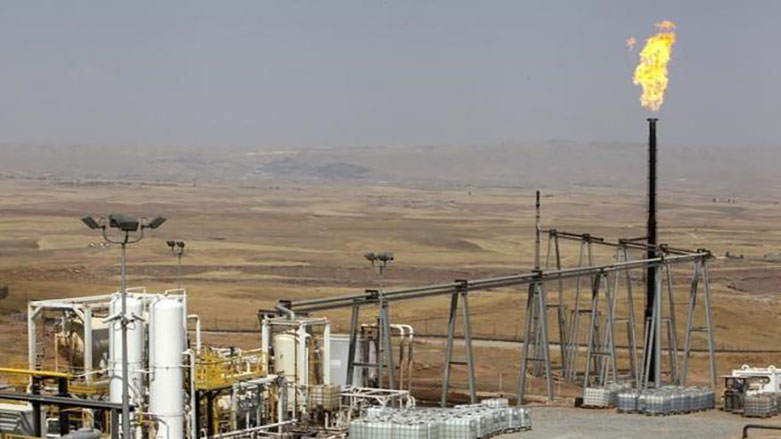
ERBIL, Kurdistan Region (Kurdistan24) – The Kurdistan Regional Government’s (KRG) Ministry of Natural Resources (MNR) released the monthly oil production and export revenue report.
According to the MNR report released on Friday, the KRG exported 14,176,761 barrels of crude oil in total during the month of July, an average of 457,314 barrels a day.
The report adds that the KRG revenue from the oil sale via the Kurdistan pipeline network to the port of Ceyhan in Turkey was $461 million compared to $561 million revenue from the oil exports in June.
On average the Kurdistan Region’s oil was sold for $32.53 per barrel, the MNR report explained.
“The KRG allocated nearly $25 million to the main oil producers in the Region, according to their PSC entitlements; $63 million were retained by buyers against past prepayments, and additional $18 million to minor producers and Kirkuk petrodollar” read the report.
In addition, the total net income received in the month by the KRG, including $35 million new payment against the future lifting of crude oil is $389.7 million.
“The net remaining amount of $389,757,229 plus other locally generated income by the Ministry of Natural Resources was used to fund the July salaries of the KRG employees,” the MNR report concluded.
In June, the KRG exported 14,997,250 barrels of crude oil in total, an average of 567,068 barrels per day, the KRG revenues from the oil sale through the Kurdistan pipeline network to the port of Ceyhan in Turkey was $561 million.
The cut of the Kurdistan Regions budget share by the Iraqi central government since early 2014 encouraged the KRG to sell its oil independently, as the Region faces financial crisis due to the decline in international oil prices.
Additionally, the war with the Islamic State (IS) along with hosting nearly 1.8 million refugees and Internally Displaced Persons (IDPs) from the rest of Iraq has also caused tremendous financial and economic strain.
Editing by Ava Homa