Lebanon Seeks Ceasefire Extension in Washington Talks with Israel
Ongoing strikes and political divisions complicate fragile truce as U.S. mediates negotiations
ERBIL (Kurdistan24) — Lebanon and Israel are set to hold a new round of talks in Washington on Thursday, as Beirut pushes for a one-month extension of a fragile ceasefire that is due to expire within days, amid continued hostilities and mounting humanitarian concerns.
The negotiations follow an earlier meeting on April 14, the first direct engagement between the two sides since 1993, aimed at ending more than six weeks of conflict between Israel and the Iran-backed Hezbollah group. Shortly after that meeting, the United States brokered a 10-day truce scheduled to lapse on Sunday.
Ahead of the talks, Israeli Foreign Minister Gideon Saar said there are no “serious disagreements” with Lebanon, urging cooperation against Hezbollah, which has been excluded from the negotiations and has voiced opposition to them.
“The obstacle to peace and normalization between the countries is one — Hezbollah,” Saar stated.
Lebanese officials, however, are expected to press for a broader commitment. According to a senior Lebanese source, Beirut will request not only an extension of the truce but also a halt to Israeli airstrikes and destruction in areas where Israeli forces remain deployed.
Lebanese President Joseph Aoun confirmed that diplomatic contacts are ongoing to prolong the ceasefire.
U.S. Secretary of State Marco Rubio will host the talks and will include Israeli Ambassador Yechiel Leiter and Lebanese Ambassador Nada Hamadeh Moawad. U.S. Ambassador to Lebanon Michel Issa will also attend, while U.S. Ambassador to Israel Mike Huckabee is expected to join, according to a State Department official.
Despite the diplomatic efforts, violence has persisted on the ground. Israeli strikes on Wednesday killed at least five people in Lebanon, including journalist Amal Khalil, according to Lebanese authorities.
Her employer, the daily Al-Akhbar, reported that another journalist, Zeinab Faraj, was wounded in the same incident. Additional strikes in southern and eastern Lebanon reportedly left four others dead.
Israel has defended its continued military actions, citing provisions in the ceasefire that allow it to respond to “planned, imminent or ongoing attacks.” Meanwhile, Hezbollah claimed responsibility for a rocket attack on northern Israel earlier this week, describing it as retaliation for what it called Israel’s “flagrant” violations of the truce.
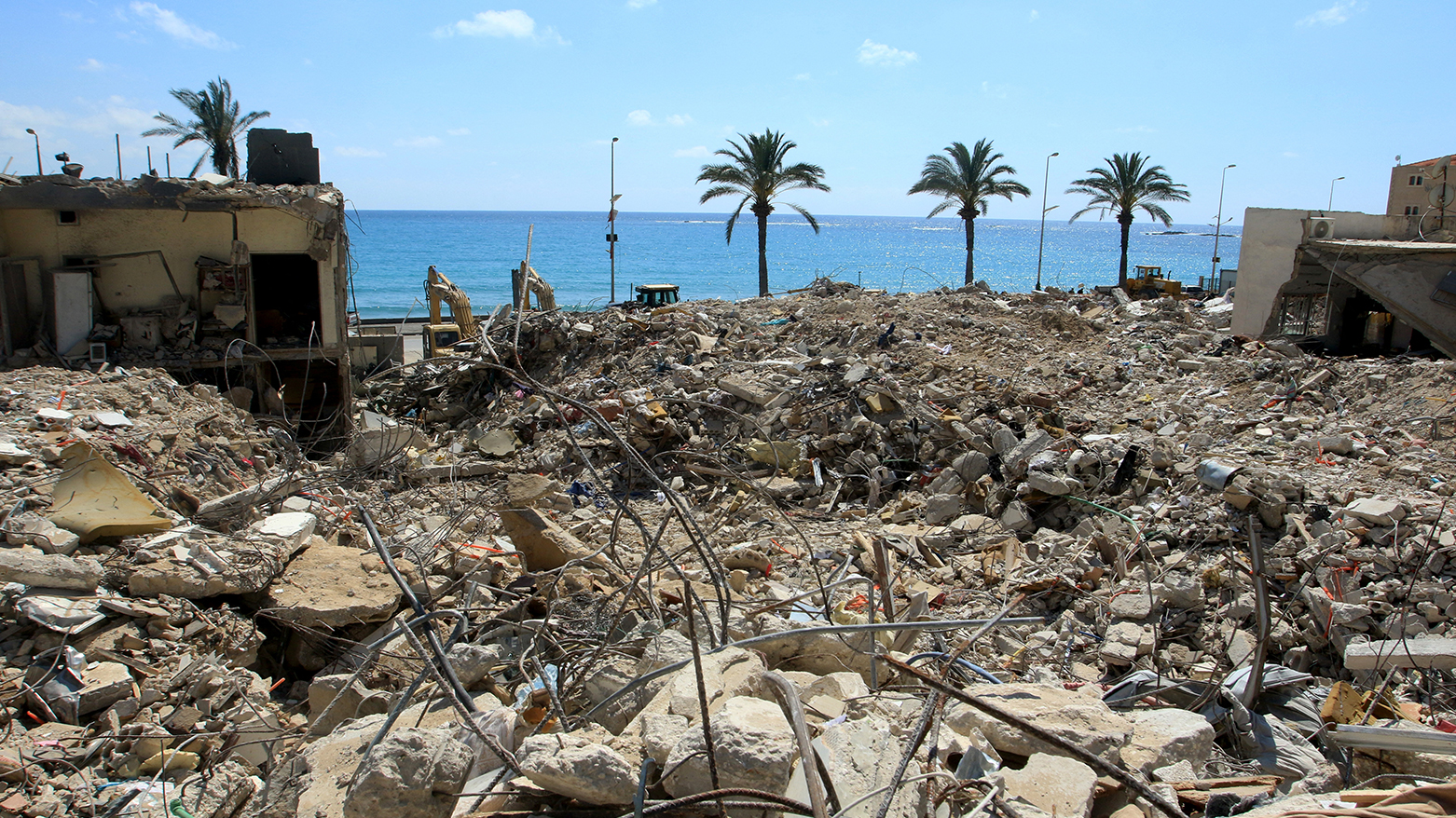
The conflict has taken a heavy toll. Lebanese authorities report that Israeli operations have killed at least 2,454 people and displaced approximately one million people since the fighting began. However, no independent entity confirmed this data.
Israeli forces continue to hold positions in multiple southern Lebanese villages, behind what they describe as a 10-kilometer “security zone” along the border.
Hezbollah’s involvement remains a central obstacle to progress. The group escalated tensions earlier this month by launching rockets into Israel, which it said was in response to the killing of Iran’s Supreme Leader Ali Khamenei by U.S. and Israeli forces—an event that further intensified regional instability.
In a separate development, U.S. President Donald Trump announced on Wednesday an indefinite extension of the ceasefire currently in effect since April 8, a move that could influence the trajectory of the ongoing negotiations.
As talks resume in Washington, the gap between diplomatic efforts and realities on the ground underscores the fragility of the truce, with both sides facing pressure to prevent a renewed escalation.