KRG: IDPs prevented from returning to liberated areas in Iraq
The Kurdistan Region currently hosts more than 1.3 million IDPs from Iraq, of which 151,000 of them are from Kurdistani areas outside the KRG's administration, in addition to hundreds of thousands of refugees from Syria, Turkey, Iran, and Palestine.
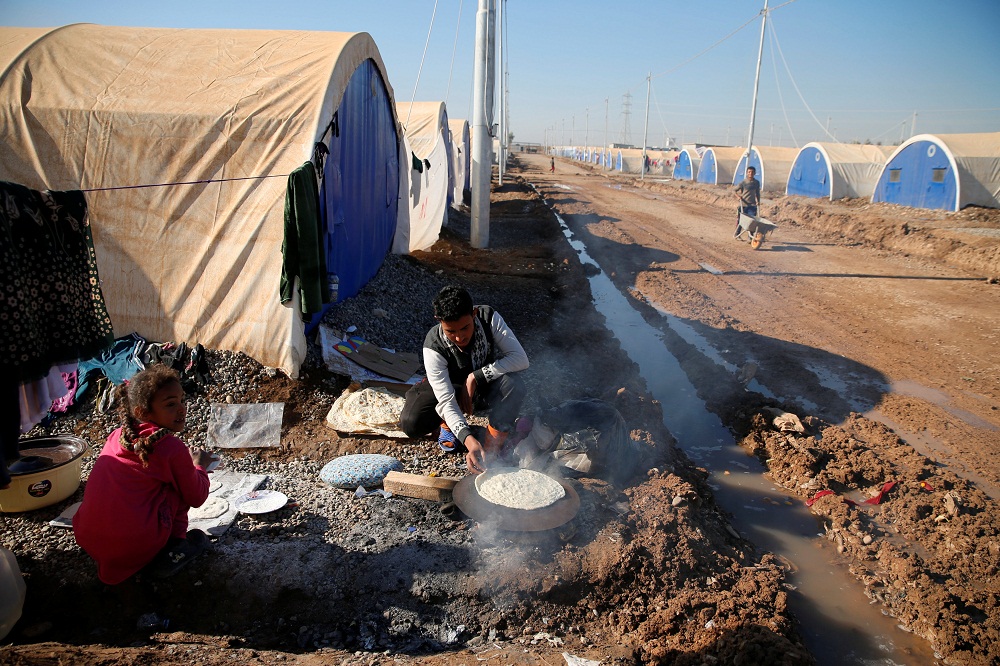
ERBIL, Kurdistan Region (Kurdistan 24) – Political and security risks, as well as the lack of basic services, have prevented Internally Displaced Persons (IDPs) who have been living in the Kurdistan Region for the past few years from returning to their areas of origin.
Hoshang Mohammed, the Director General of the Joint Crisis Coordination Centre (JCC) for the Kurdistan Regional Government (KRG), speaking to a local Kurdish media on Saturday revealed that the number of IDPs willing to return to liberated areas had recently declined.
“Overall, the flow of IDPs returning home has slowed because they want their safety to be guaranteed when returning to those areas,” Mohammed told Xendan.
The KRG official indicated they were coordinating with the Iraqi Ministry of Migration and Displacement on “a daily basis” to facilitate the return of IDPs to their homes.
Mohammed also noted IDPs had concerns their lives, properties, and services would remain vulnerable in liberated areas without proper protection and explained many lacked financial resources to live comfortably in cities and town devastated by the war against the Islamic State (IS).
He warned that many families from the Nineveh Plain, Makhmour, Zummar and Rabi’a, who had previously returned to their areas were once again being displaced by the Hashd al-Shaabi and Iraqi Forces’ ongoing attacks on the Kurdistan Region.
Mohammed affirmed the KRG was providing IDPs and refugees with the same services it offers all citizens of the Kurdistan Region: water, electricity and health care.
The Kurdistan Region currently hosts more than 1.3 million IDPs from Iraq, of which 151,000 of them are from Kurdistani areas outside the KRG's administration, in addition to hundreds of thousands of refugees from Syria, Turkey, Iran, and Palestine.
According to the latest JCC report, the Kurdistan Region’s population spike of some 32 percent has heavily strained the KRG’s resources as the government spends nearly two billion dollars on IDPs and refugees annually.
Editing by Nadia Riva