KRG delegation to visit Baghdad to discuss familiar disputes
A delegation from the Kurdistan Regional Government (KRG) will soon visit Baghdad to discuss its major disputes with members of the newly formed federal government of Iraq...
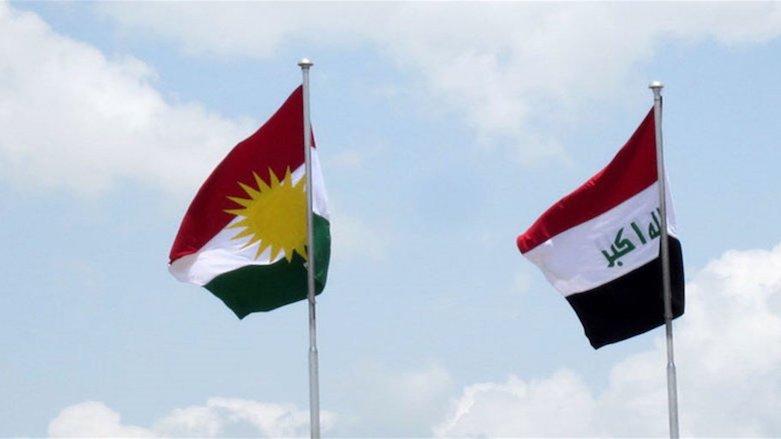
ERBIL (Kurdistan 24) – A delegation from the Kurdistan Regional Government (KRG) will soon visit Baghdad to discuss its major disputes with members of the newly formed federal government of Iraq, a KRG source said on Wednesday.
The group of envoys will represent the KRG as a whole, rather than encompassing only one party, a Kurdish official told Kurdistan 24.
The source did not mention a specific timeline for the visit, but noted, “The meeting, which will be headed by the Prime Minister of the Kurdistan Region, would take place before the formation of the new government cabinet of the Kurdistan Region.”
Kurdistan 24 learned that the KRG delegates will discuss a well-known cast of usual suspects in the annals of Erbil-Baghdad disputes, namely those related to oil, the yearly federal budget share allotted to the Kurdistan Region, and the situation in the disputed province of Kirkuk.
“The visit is based on an official invitation by [Prime Minister] Abdul-Mahdi, who has requested to meet with Prime Minister [Nechirvan] Barzani in person,” the source added.
Arez Abdullah, a former Kurdish lawmaker in Iraqi Parliament and current member of the Patriotic Union of Kurdistan (PUK) Leadership Council, told Kurdistan 24 that Baghdad has always wanted to weaken the government of the Kurdish semi-autonomous region.
“This time, it is important for the KRG to discuss the issues in detail with Baghdad and discourage any partisan delegation from meeting separately with the Iraqi government,” Abdullah continued.
He added that it was also important “for the Kurdistan Region’s delegation to always be on the KRG-level in order not to appear weak while negotiating with Baghdad on the constitutional rights of the region.”
Over the past decades, deep-rooted issues between the federal and regional governments have remained largely unaddressed, which eventually contributed to factors leading the Kurdistan Region to unilaterally hold a referendum on independence, a vote which saw 93 percent of residents favoring secession from Iraq.
Following the May 12 national elections in Iraq, there has been increased hope voiced by many for the Kurdistan Region to resolve long-standing disputes with the new government to a greater extent than has been possible with past administrations.
Editing by John J. Catherine
(Aras Ahmed contributed to this report)