'Wounded Enemy,' 'Dignified Escape,' 'Severe Response': Iran's Lexicon as Talks With U.S. Resume
Iran's judiciary and defense officials are hardening their stance, asserting that U.S. ceasefire proposals are proof of "desperation." As the Khatam-al-Anbiya Headquarters warns of "severe damage" to American assets, the regime claims total mastery over the strategic and economic chokepoint.
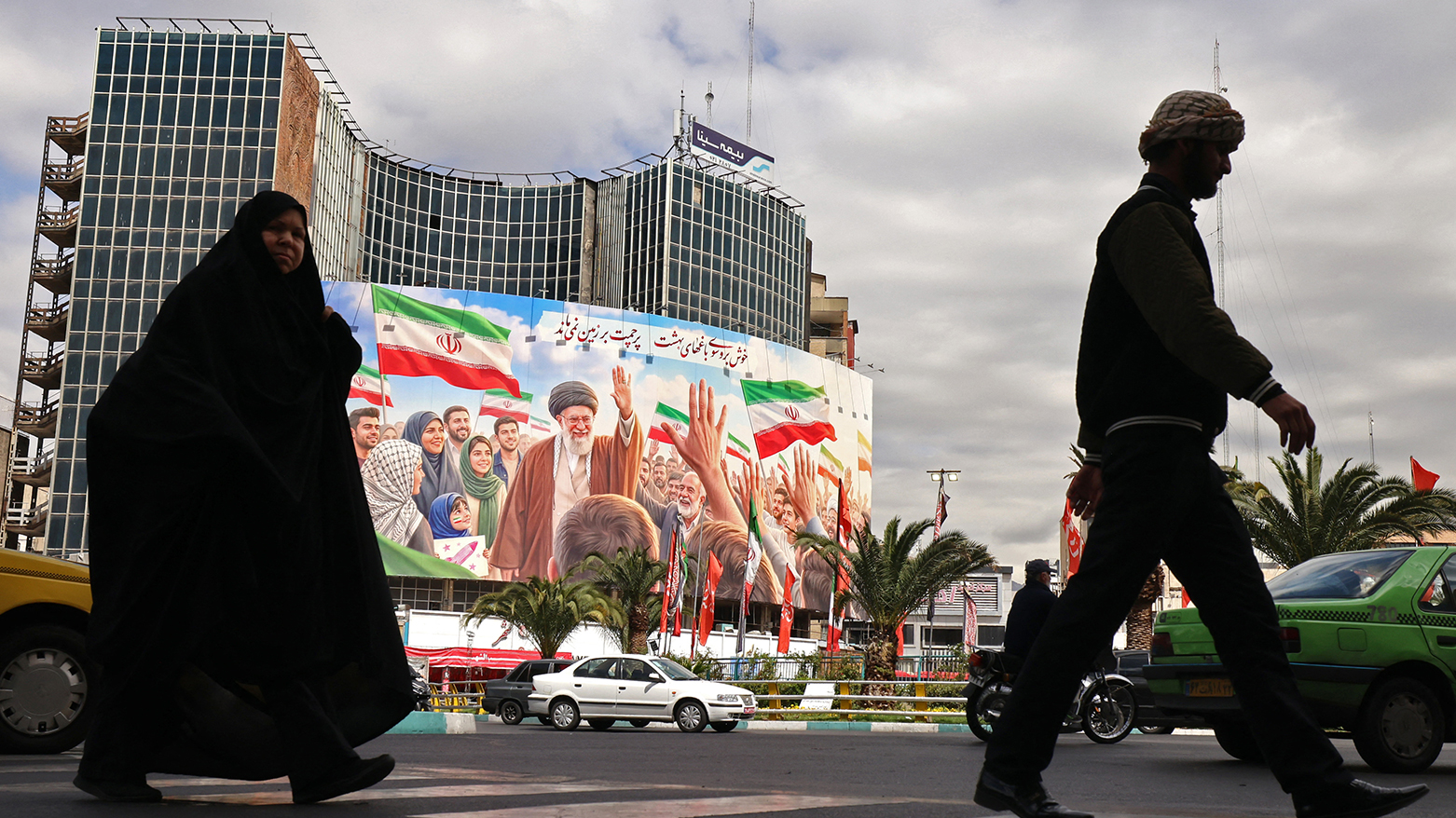
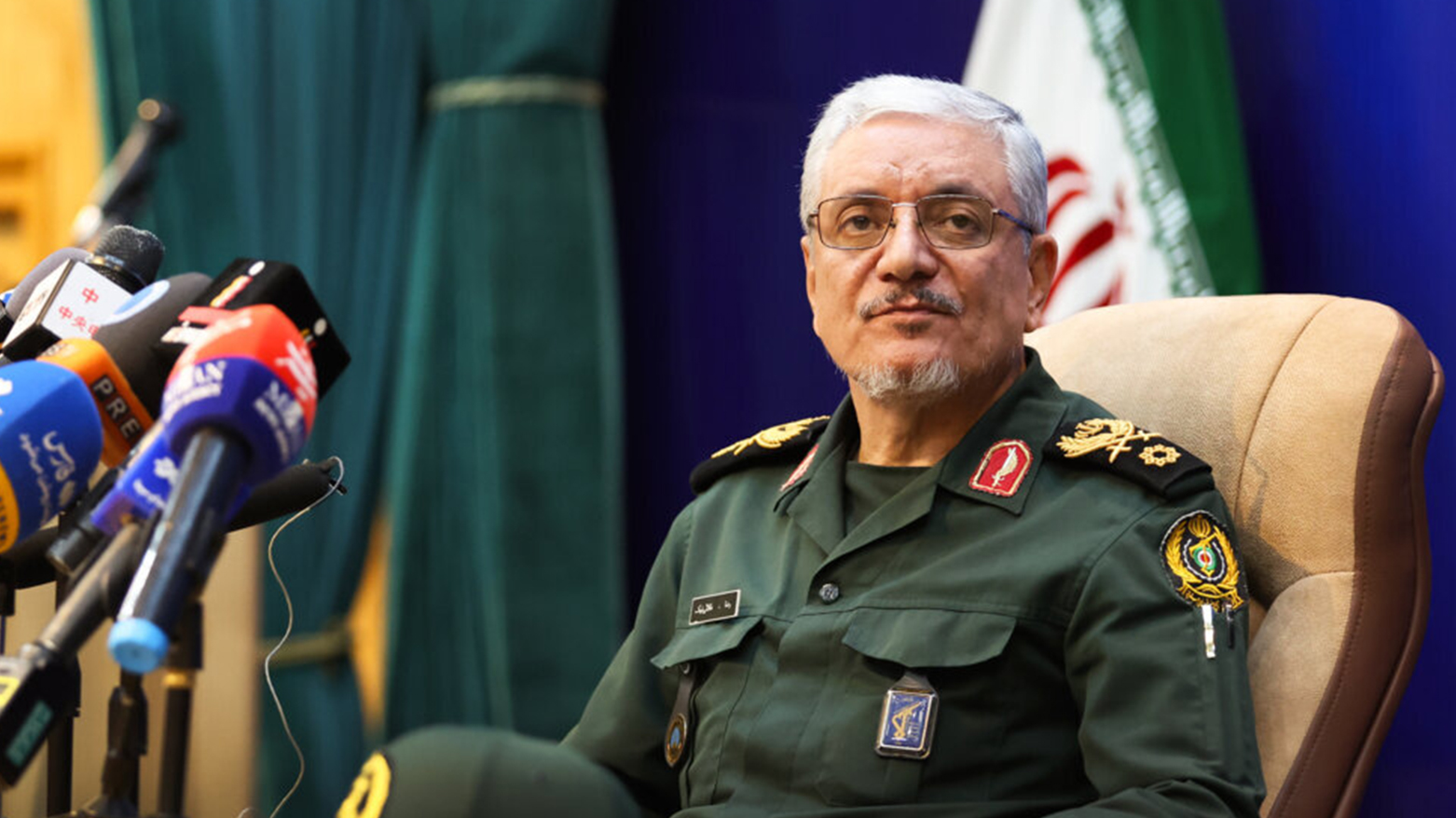
ERBIL (Kurdistan24) - Iranian military and political leadership issued a series of defiant declarations on Saturday asserting control over the Strait of Hormuz and characterizing Western ceasefire proposals as a sign of desperation, even as the country initiated the reopening of its domestic airspace and international flight routes.
The coordinated messaging arrives as U.S. envoys convene in Islamabad for indirect peace negotiations with Iranian representatives to resolve the ongoing blockade of the vital maritime chokepoint.
While Tehran projects uncompromising military readiness against a heavy U.S. naval buildup, the simultaneous resumption of civil aviation and the unveiling of dual-use civil defense infrastructure highlight an administration navigating both a protracted conflict and the necessity of administrative normalization.
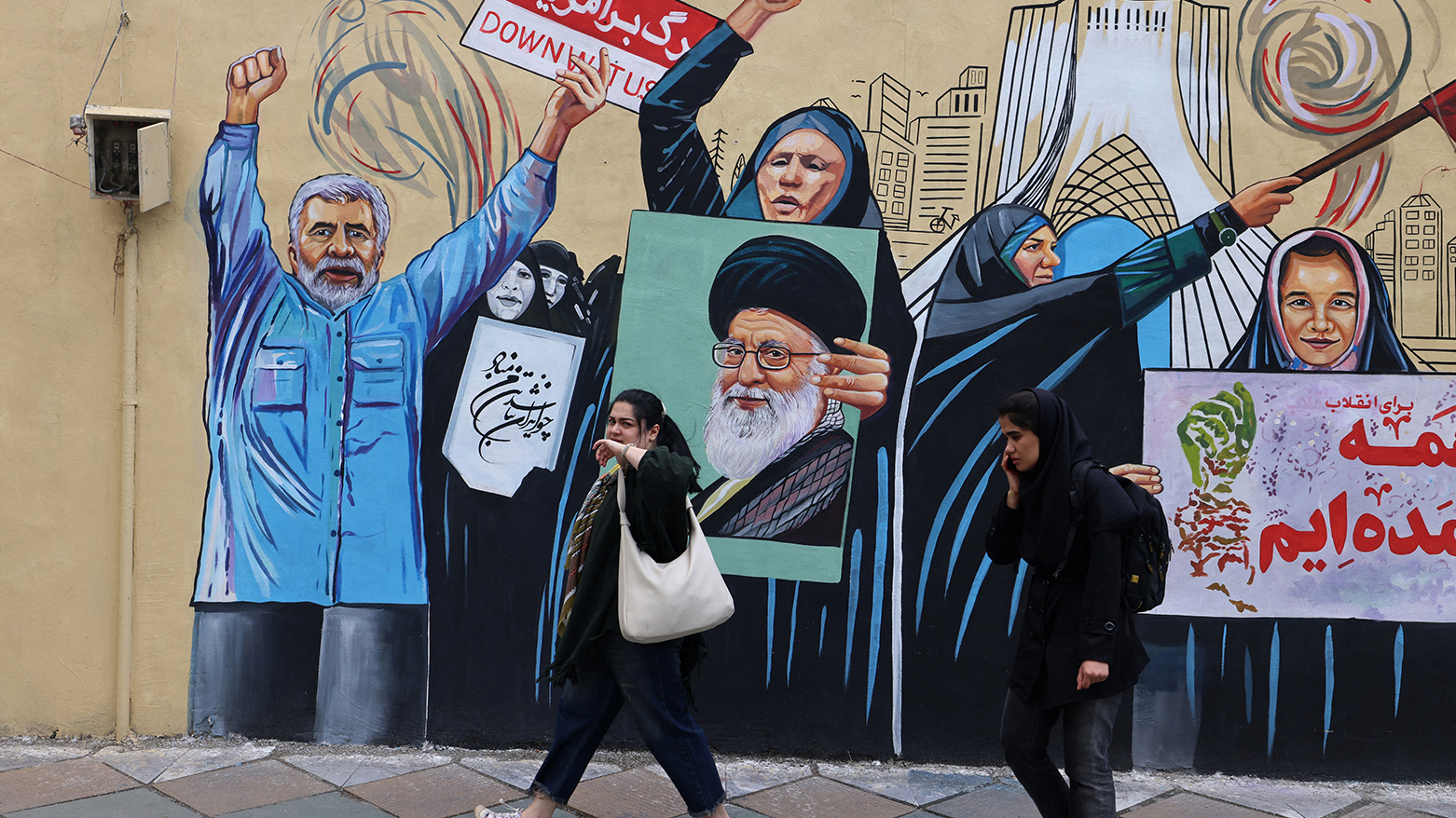
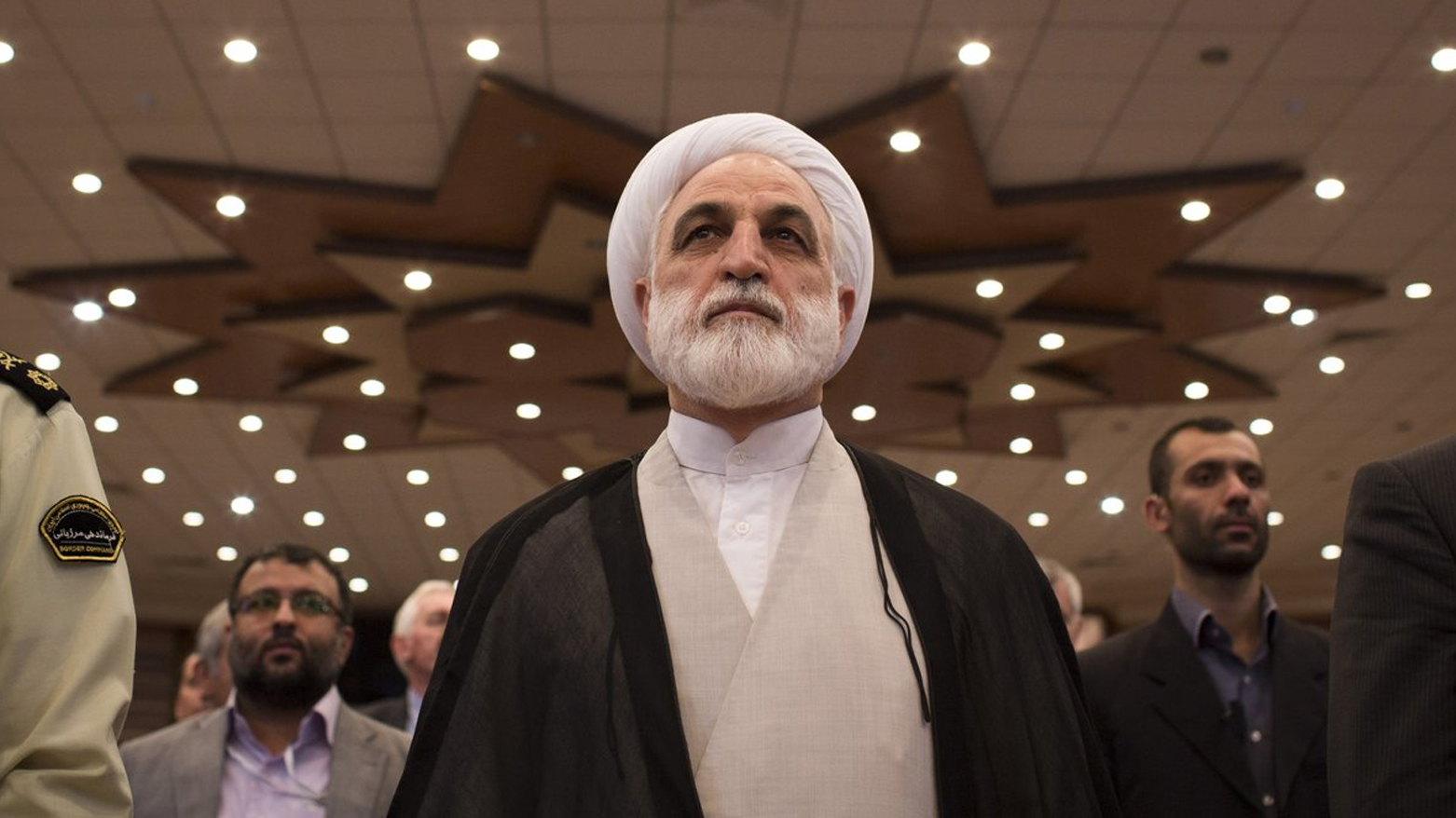
Judicial Leadership Rejects Enemy Concessions
Head of Iran's Judiciary Gholam-Hossein Mohseni-Eje'i warned on Saturday that the state must not neglect the "wounded enemy" following a prolonged period of military engagement.
He asserted that opposing forces have reached desperation, claiming they would not have proposed a ceasefire if they had achieved even a fraction of their strategic objectives in the region.
Mohseni-Eje'i mandated that all personnel, civilians, and military officials remain fully vigilant on the scene.
His remarks align with recent unified messaging from top Iranian officials, including President Masoud Pezeshkian and Parliament Speaker Mohammad Bagher Qalibaf, who publicly dismissed internal political divisions to declare an ironclad unity across factions.
The leadership's posture follows a severe domestic toll, with authorities reporting at least 3,375 people killed in Iran since fighting erupted on Feb. 28.
Military Command Warns Washington
Following the judicial directive, the Khatam-al-Anbiya Central Headquarters issued a direct warning to the United States military.
The command stated that any continuation of maritime blockades, banditry, or piracy in the region would be met with a severe reaction from Iran's armed forces.
The headquarters emphasized its readiness to inflict severe damage on "American-Zionist enemies" in the event of renewed aggression, asserting that the country possesses greater authority and readiness than ever before to defend its sovereignty and national interests.
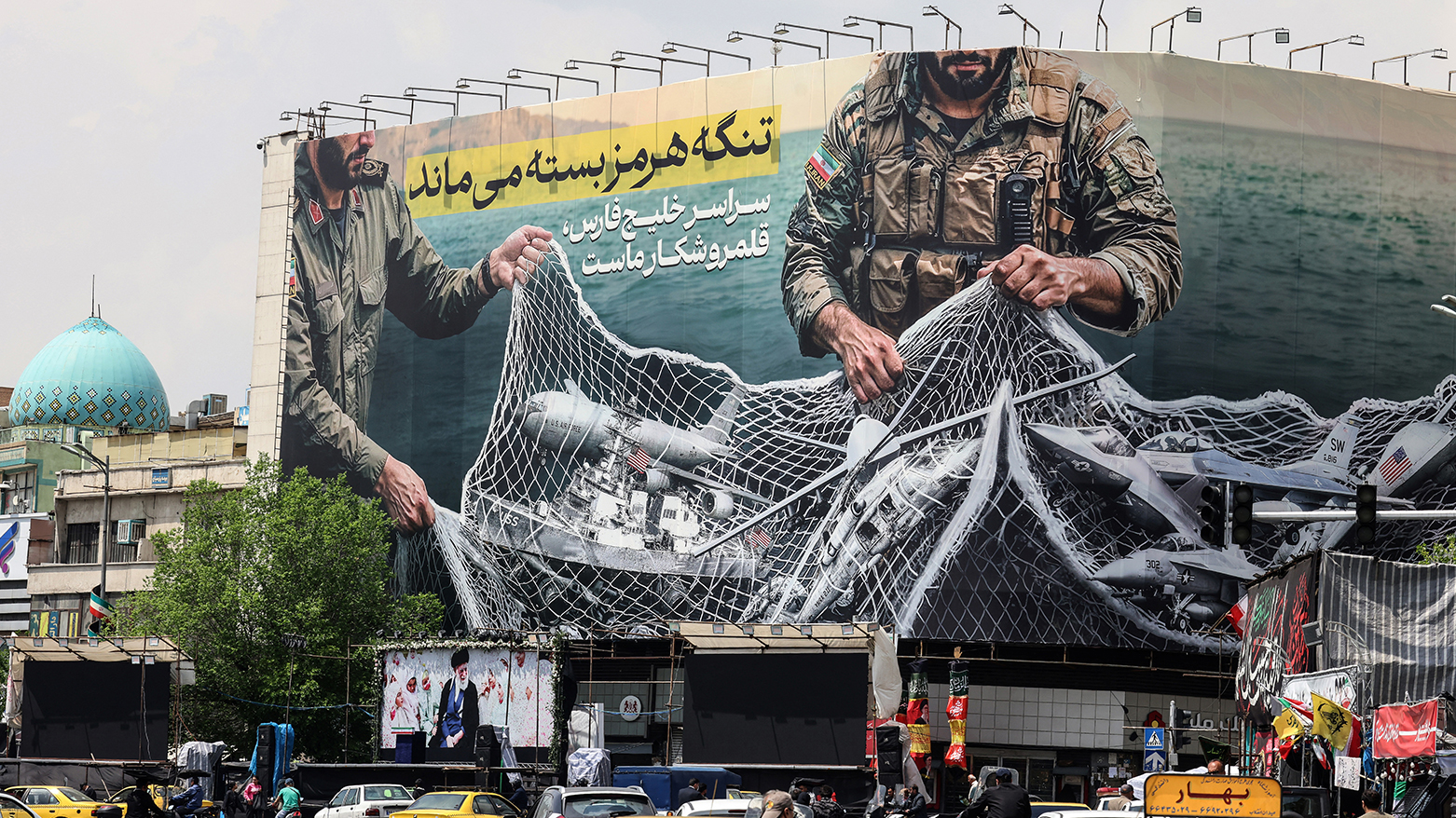
The military confirmed it is continuously monitoring enemy movements and actively managing the strategic Strait of Hormuz.
This warning coincides with a massive U.S. military deployment designed to counter Iran's maneuvers.
The United States currently maintains a stringent blockade on Iranian ports and operates three aircraft carriers simultaneously in the region, deploying 200 aircraft and 15,000 personnel, while U.S. military forces hold orders to strike vessels suspected of mining the strait.
Defense Ministry Claims Strategic Failure
Reinforcing the military's stance, Iranian Ministry of Defense spokesperson Reza Talaei-Nik stated that the adversary is seeking a "dignified escape from the quagmire of war."
The spokesperson declared that structural attempts to collapse Iran's missile and military capabilities have entirely failed.
Reaffirming absolute control over the maritime chokepoint, the official noted that the Strait of Hormuz remains under Iran's "smart and powerful mastery," describing the armed forces' battlefield and the people's social presence as the primary arenas of the current conflict.
The de facto blockade of the strait has driven global oil prices 50 percent higher than pre-war levels, prompting U.S. President Donald Trump to issue a 90-day extension to the Jones Act waiver to stabilize disrupted energy markets.
In an attempt to resolve the crisis, the White House dispatched envoys Jared Kushner and Steve Witkoff to Islamabad.
Despite U.S. officials expressing hope for a productive deal, Iranian Foreign Minister Abbas Araghchi publicly ruled out face-to-face meetings, relying entirely on the Pakistani government to serve as an intermediary.
Resumption of International Aviation
Alongside the rigid military declarations, civilian infrastructure has begun to return to operational status.
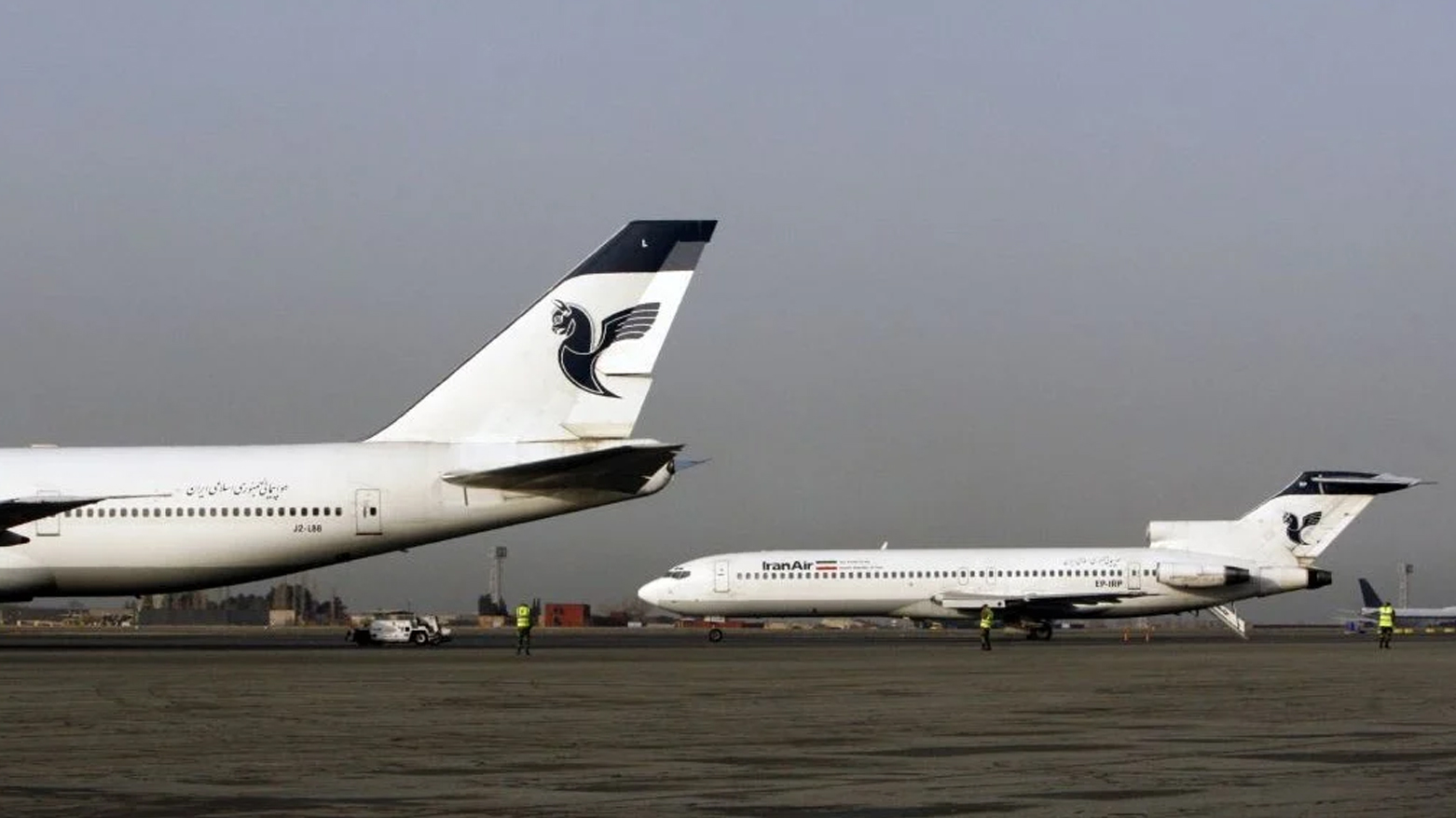
Following the formal reopening of the country's airspace, the Airline of the Islamic Republic of Iran (Iran Air) announced the resumption of international flights, with initial routes operating to Medina and Istanbul.
According to the airline's statement, scheduled flights will expand in the coming days to include Baku, Najaf, Baghdad, and Doha.
Additionally, Iran Air confirmed logistical preparations to dispatch 30,672 pilgrims to Saudi Arabia.
Inauguration of Civil Defense Infrastructure
In the capital, urban management continues to adapt to the wartime environment with the imminent inauguration of Tehran's first multi-purpose parking-lot-shelter.
Located in District 10, the "E'temad Parking Lot" spans approximately 2,600 square meters across four underground levels.
While providing 275 standard parking units under normal conditions, the district mayor confirmed the facility is specifically engineered with the structural capacity to house several thousand civilians during times of crisis.
Eastern Airspace Reopened to Overflights
Expanding the aviation normalization efforts, the CEO of the Airports Company announced that starting Saturday the eastern airspace of the country has been prioritized for domestic routes and international overflights.
Provincial airports serving as key air traffic control hubs, including facilities in Mashhad, Zahedan, Kerman, Yazd, and Birjand, are now fully active, with complete navigation services restored.
Authorities confirmed that consultations with foreign airlines have commenced to clarify route statuses and re-attract international overflights back to Iranian airspace.
Iranian authorities asserted strict military control over the Strait of Hormuz and rejected compromise, even as the nation moved to reopen international airspace and inaugurate dual-use infrastructure.