MEPS24 Conference Opens, Aims to Address Middle East Crisis
The colorful city of Duhok transforms into a crucial platform for high-level dialogue as regional leaders and decision-makers gather at the American University of Kurdistan to discuss urgent security challenges and explore pathways to de-escalation.
Nov. 22, 2024
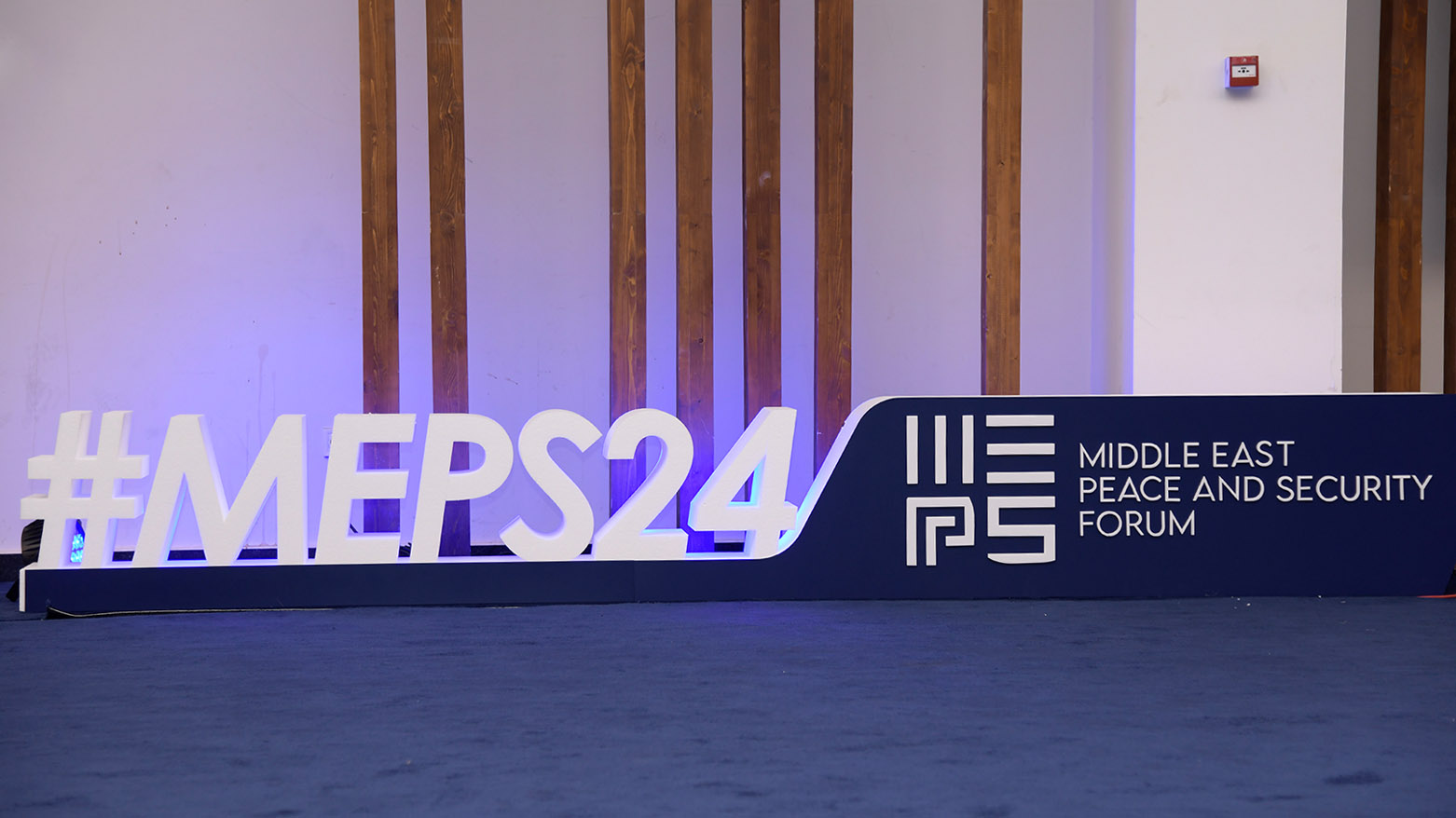
ERBIL (Kurdistan 24) - The fifth Middle East Peace and Security (MEPS) Forum begins in Duhok at a critical moment as the region grapples with escalating conflicts and growing tensions across multiple fronts.
The colorful city of Duhok transforms into a crucial platform for high-level dialogue as regional leaders and decision-makers gather at the American University of Kurdistan to discuss urgent security challenges and explore pathways to de-escalation.
"This year's conference holds particular significance given the volatile regional situation, especially with the ongoing Israel-Gaza conflict and its spillover into Lebanon," said a conference organizer. The recent exchange of missile strikes between Iran and Israel has further heightened concerns about regional stability.
The three-day conference, bringing together more than 120 regional and international figures from 40 countries, focuses on:
- Preventing conflict escalation
- Creating diplomatic channels
- Developing practical solutions for regional crises
- Examining Western nations' role in Middle East affairs
- Building bridges between conflicting parties
While MAPS has been an annual event, this year's gathering comes at a particularly crucial moment. The expansion of the Israel-Gaza conflict, its spillover into Lebanon, and increasing tensions between Iran and Israel have raised fears of a broader regional conflict. There are also concerns about potential strikes within Iraq targeting armed groups, adding another layer of complexity to the regional security situation. The choice of Duhok, a city known for its diversity and stability, as the conference venue symbolizes the Kurdistan Region's role as a mediator in regional affairs.
The conference's timing and agenda reflect the urgent need for diplomatic initiatives to prevent further escalation in the Middle East, with participating leaders and experts seeking to forge constructive dialogue amid rising tensions.