Turkey to Increase Tigris and Euphrates Water Flow to Iraq Starting Wednesday
Al-Mashhadani urged Turkish authorities to ease residency procedures and prevent the sudden deportation of Iraqi residents, which he said causes significant social and economic hardships.
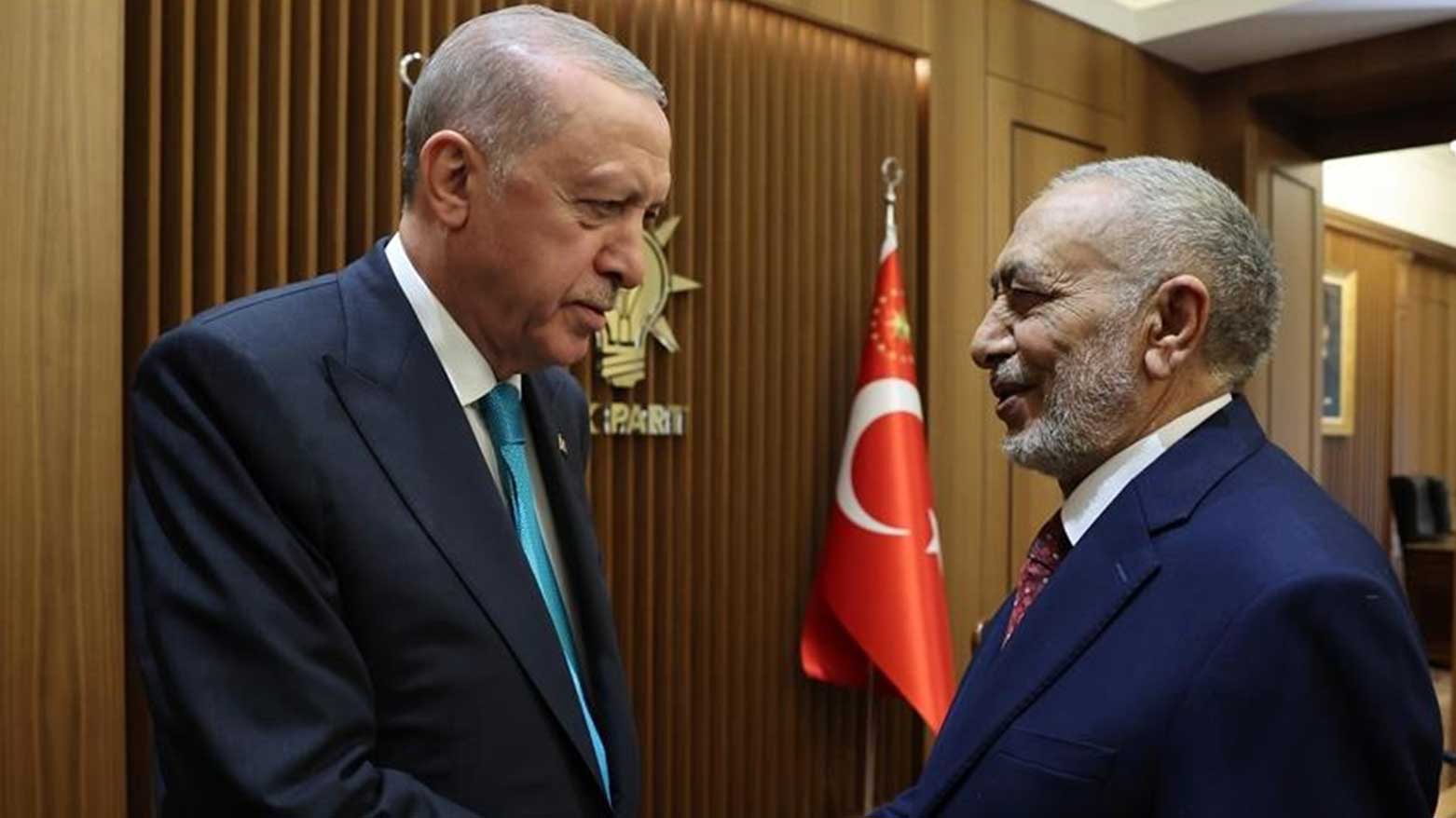
ERBIL (Kurdistan24) — Turkish President Recep Tayyip Erdogan on Tuesday approved Iraq’s request to increase the volume of water flowing through the Tigris and Euphrates rivers to 420 cubic meters per second, starting Wednesday.
The decision came during a meeting in Ankara between Erdogan and Iraqi Parliament Speaker Mahmoud al-Mashhadani, as part of an official visit focused on strengthening bilateral relations and addressing shared concerns, most notably Iraq’s worsening water crisis.
According to a statement from the media office of the Iraqi Parliament Speaker, al-Mashhadani emphasized the importance of water cooperation between the two neighboring countries, calling for a guarantee that water reaches all parts of Iraq—particularly the southern provinces that are grappling with severe drought and water shortages.
The talks also addressed issues facing the Iraqi community in Turkey. Al-Mashhadani urged Turkish authorities to ease residency procedures and prevent the sudden deportation of Iraqi residents, which he said causes significant social and economic hardships.
Al-Mashhadani further noted that Iraq is currently enjoying a period of security and stability, presenting a valuable opportunity to deepen economic cooperation with Turkey. He encouraged Turkish companies to participate in the implementation of strategic projects in Iraq, particularly the ambitious “Development Road” initiative aimed at connecting the Gulf to Asia and Europe, enhancing regional stability and trade.
The issue of water flow from Turkey into Iraq through the Tigris and Euphrates rivers has long been a source of tension between the two countries. Over the past decades, Iraq has repeatedly voiced concerns over declining water levels, largely attributed to Turkey’s construction of massive upstream dams such as the Atatürk and Ilısu projects. These developments, part of Turkey’s Southeastern Anatolia Project (GAP), have significantly reduced the volume of water reaching Iraq, intensifying drought conditions, especially in the country’s southern provinces.
While there have been periods of cooperation, including temporary increases in water flow during times of crisis, disagreements over water rights and lack of a binding bilateral agreement have continued to strain relations, turning water security into a critical geopolitical and environmental challenge for Iraq.