US Extends Waiver Allowing Purchases of Russian Oil to Ease Global Energy Pressure
The US extended a one-month waiver allowing maritime purchases of Russian oil to ease global energy pressure, amid ongoing tensions, restricted Hormuz traffic, and renewed US-Iran negotiations.
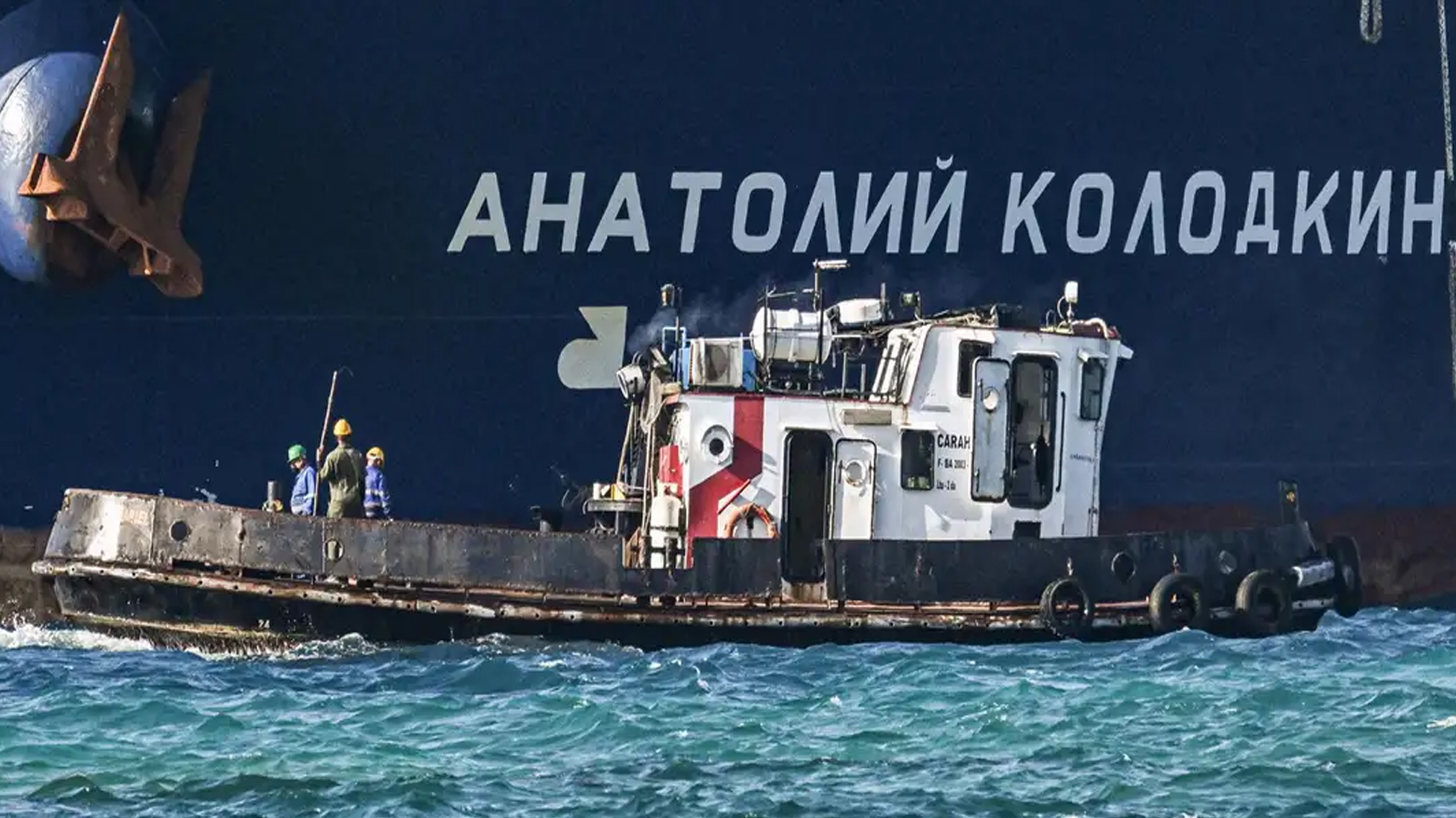
ERBIL (Kurdistan24) - The administration of US President Donald Trump has extended a special waiver allowing countries to purchase sanctioned Russian oil via maritime routes for nearly one month, in a move aimed at easing pressure on global energy markets.
According to a statement from the US Treasury on Friday, the renewed waiver permits the continued purchase of Russian oil and petroleum products transported by sea. The decision takes effect on Friday and will remain in place until May 16, replacing a previous 30-day exemption that expired on April 11.
The waiver does not apply to oil-related transactions involving Iran, Cuba, or North Korea, the statement clarified.
The move is part of broader efforts by Washington to prevent further spikes in global energy prices, particularly as tensions between the United States and Israel on one side and Iran on the other have disrupted supply dynamics.
The decision is also seen as a response to pressure from Asian countries affected by the energy crisis, which have called for alternative sources of oil supply to stabilize their markets.
The extension comes despite earlier remarks by US Treasury Secretary Scott Bessent, who had indicated that Washington would not renew waivers related to Russian and Iranian oil.
Oil prices and market volatility
Following the reopening of the Strait of Hormuz — a key global transit route for oil — prices dropped by 9 percent, reaching approximately $90 per barrel.
Despite this decline, the International Energy Agency has warned that ongoing tensions could still trigger a major global supply crisis.
New details have emerged regarding maritime traffic through the Strait of Hormuz, with informed sources indicating that Iran has signaled it will continue limiting the number of ships allowed to pass during the ceasefire period, while also imposing transit fees.
According to reporting by The Wall Street Journal, vessels passing through the strait are required to coordinate with Iran’s Islamic Revolutionary Guard Corps, which retains the authority to block ships from countries Tehran considers hostile.
The report also noted that Iran is pushing to implement a new management system for the strait following any final agreement with the United States, potentially allowing Tehran to formally collect transit fees.
Although Iranian Foreign Minister Abbas Araghchi previously announced that the strait had been reopened to all commercial shipping, he stressed that passage must occur through designated routes and in coordination with Iranian port authorities.
Data from the analytics company Kpler indicates that vessel movement remains restricted, limited to approved routes requiring authorization, despite official statements from both Washington and Tehran that the waterway is fully open.
Meanwhile, preparations are underway for a new round of negotiations between the United States and Iran. A senior Iranian official told CNN that talks are expected to resume on Monday, April 20, in Islamabad, Pakistan, with hopes of reaching an initial agreement on the nuclear issue.
A US official told Reuters that President Trump will not back down from key red lines during the negotiations, while an Iranian official expressed cautious optimism about achieving a preliminary deal in the coming days.
The same report noted the possibility of an interim arrangement that could allow for the removal of part of Iran’s nuclear stockpile.
These developments follow direct talks held on April 11 in Islamabad, which lasted approximately 21 hours but ended without a final agreement, according to US Vice President JD Vance.
As global energy markets remain tightly linked to geopolitical developments, Washington’s decision to extend the waiver underscores the delicate balance between enforcing sanctions and preventing further instability in oil supply chains.