Major Restoration Project Launched to Save Amedi’s Ancient Qubahan School and Religious Landmarks
France funds restoration of 6 sites in Amedi, including Qubahan School, using old photos and local labor to boost tourism and save Bahdinan heritage.
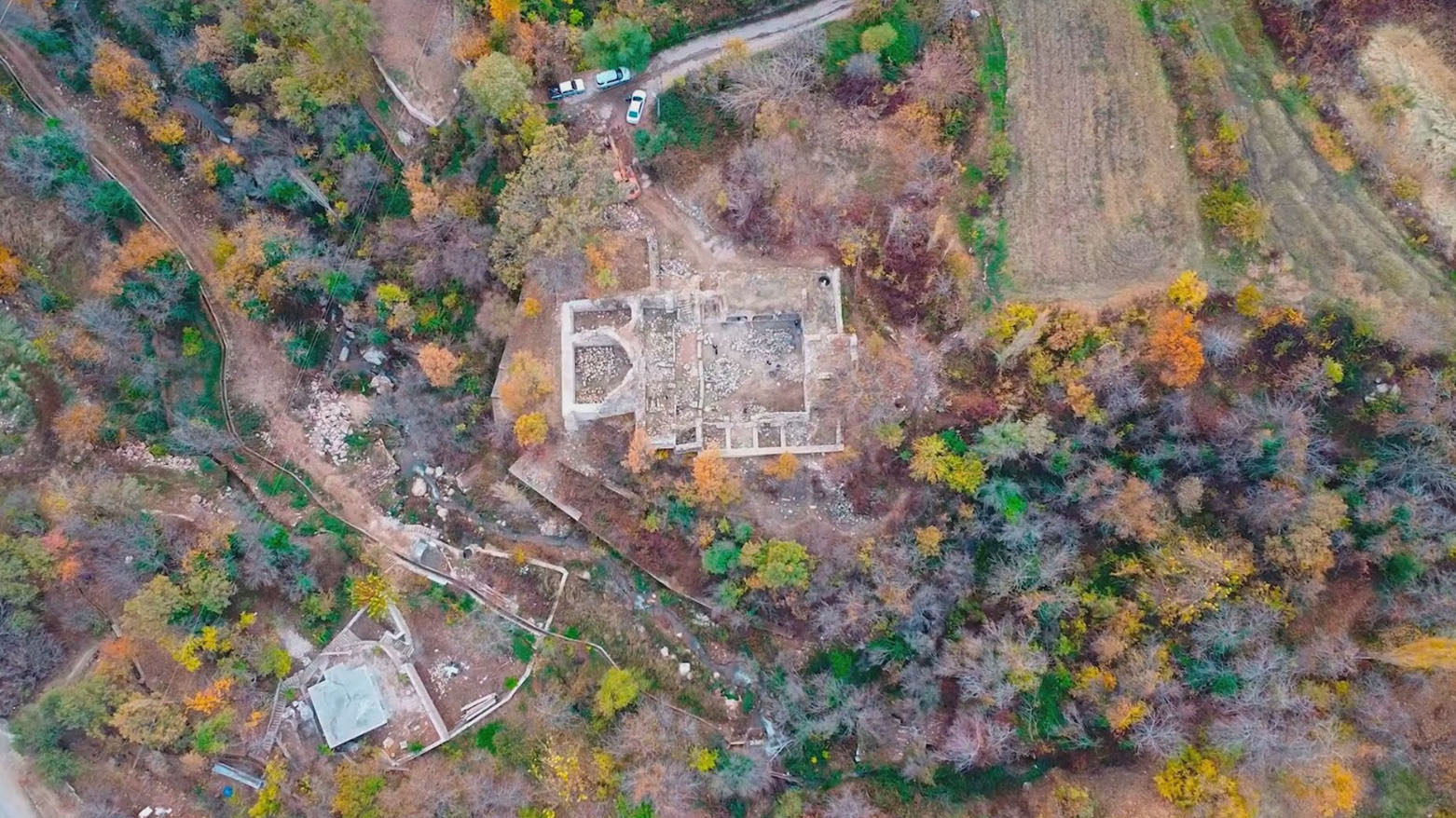
ERBIL (Kurdistan24) – In the rugged, mountainous heart of the Kurdistan Region’s Duhok province, the ancient district of Amedi stands as a testament to centuries of civilization, religious coexistence, and scholarly pursuit, yet the relentless march of time and the harshness of the elements have placed some of its most precious historical jewels under the threat of permanent extinction. In a decisive move to halt this decay and breathe new life into the heritage of the Bahdinan region, a sweeping restoration initiative has been launched, backed by the direct financial muscle of the French government.
This large-scale project aims to rehabilitate six prominent archaeological sites that have defined the cultural identity of the area for centuries, ensuring that the legacy of Amedi remains standing for future generations.
The initiative, which is being implemented on the ground by the organization Expertise France, represents a critical intervention to save historical landmarks that were, for hundreds of years, beacons of science, religion, and social cohesion in the region.
These sites, weathered by the changing climate and the passage of centuries, had reached a precarious state where immediate action was required to prevent their total loss. The project serves as a bridge between international support and local heritage, utilizing French funding to employ local expertise in a bid to rescue the physical history of the Bahdinan Emirate.
At the very forefront of this restoration map sits the legendary Qubahan School, a site of immense historical gravity that tops the list of locations targeted for rehabilitation. This edifice is not merely a collection of stone and mortar; it is a symbol of the region’s intellectual golden age.
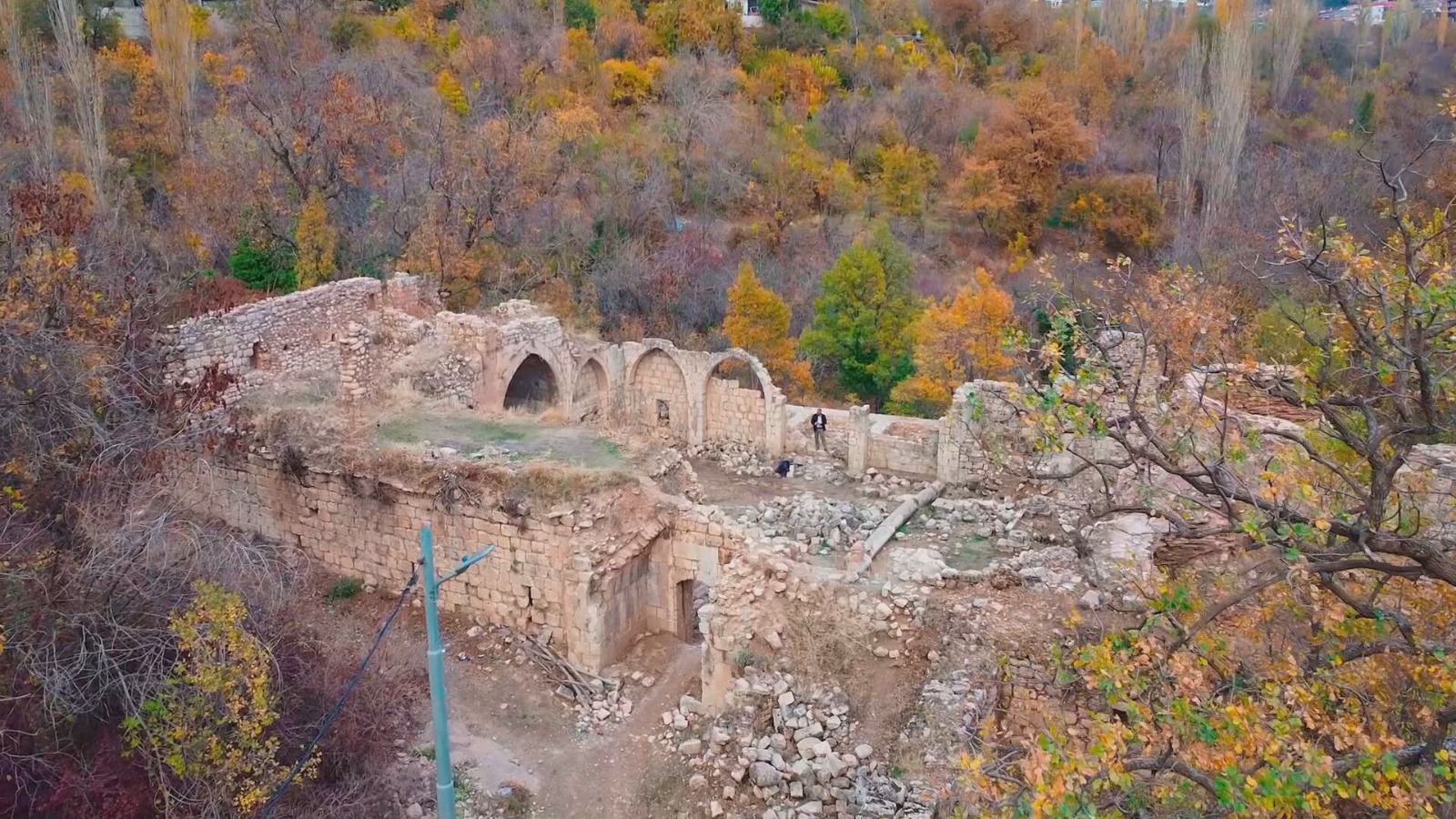
Built in 1534 AD during the reign of Sultan Hussein Wali, the Emir of the Bahdinan Emirate, the Qubahan School functioned for centuries not just as a place of basic instruction, but as a genuine "university" of its time.
It was from these halls that dozens of scholars, intellectuals, and geniuses graduated, carrying knowledge from the mountains of Kurdistan to the wider world. The school represents a legacy of academic rigor and cultural sophistication that defined the emirate, making its preservation a matter of national importance.
The urgency of the situation regarding the Qubahan School cannot be overstated. In an assessment provided to Kurdistan24, archaeology expert Mohammed Sharif painted a stark picture of the site's condition prior to this intervention. Sharif noted that the Qubahan school was heading towards complete demise, a tragic trajectory marked by the annual loss of parts of its architectural features.
The crumbling of this landmark was not just a loss of bricks, but a gradual erasure of history. However, with the launch of the restoration project, there is now a tangible path to recovery.
Sharif confirmed that the reconstruction of this landmark is poised to bring great economic gains to the people of the region. By restoring the school to its former glory, the project aims to activate the tourism movement, creating a ripple effect that will revive the surrounding markets and orchards, thereby linking cultural preservation directly to economic vitality.
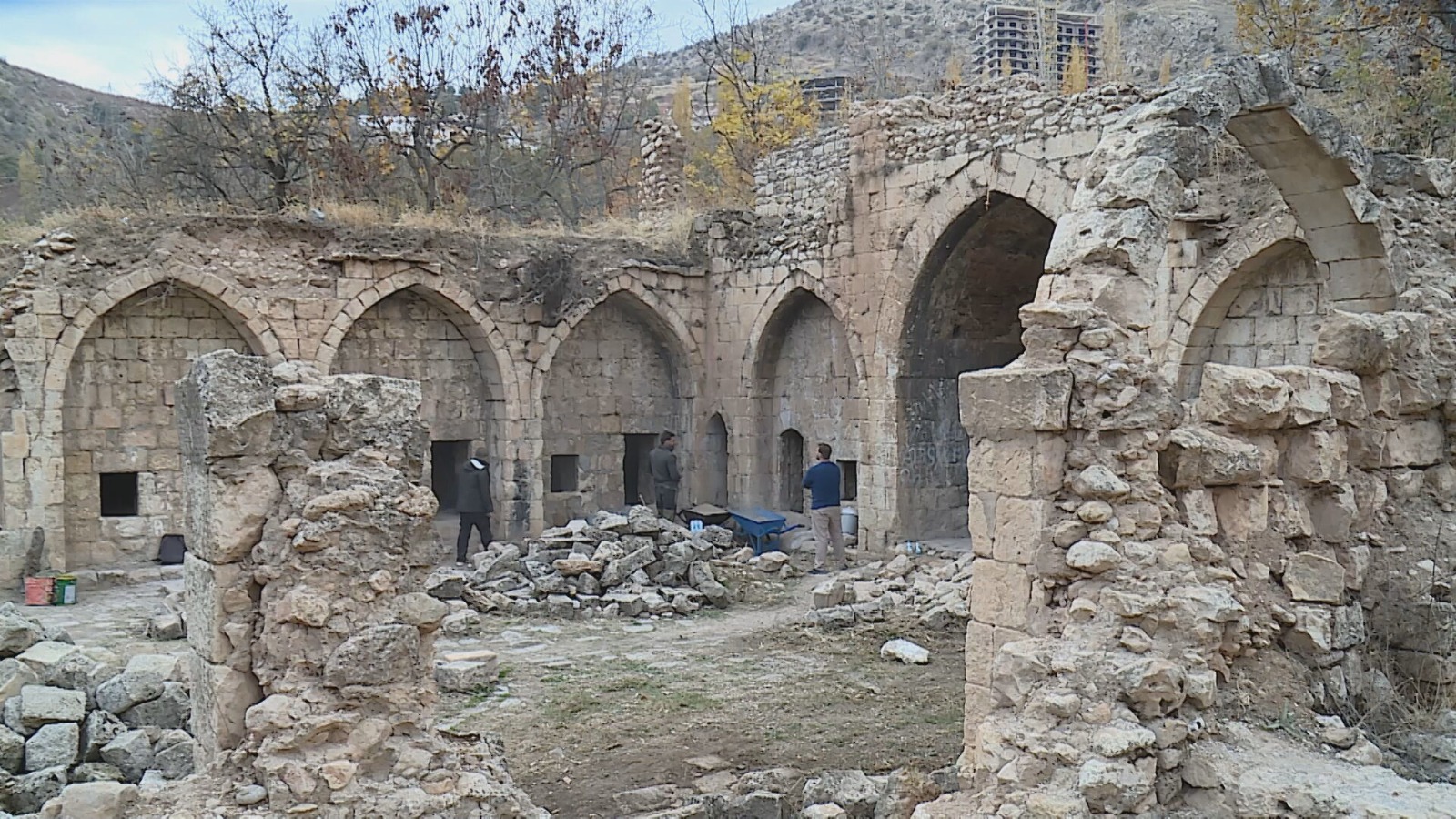
The French-funded project is notable for its inclusivity and its reflection of the diverse social fabric of Amedi. The restoration map is not limited solely to the Qubahan school but extends to include a diverse array of sites that reflect the deep-seated religious and historical tolerance that has long characterized the district.
The list of six sites selected for rehabilitation is a microcosm of the region's pluralistic history. It includes the Amedi Grand Mosque, a central place of worship that has stood as a spiritual anchor for the Muslim community.
Simultaneously, the project encompasses the restoration of the Chaldean Church, underscoring the Christian heritage that is woven into the tapestry of Amedi. Furthermore, the initiative targets the Emirs' Cemetery, the final resting place of the region's historical rulers, as well as the "Kura Sereje" site and the "Per Hazan" shrine.
By treating these diverse sites with equal importance, the project reinforces the narrative of coexistence that is central to the identity of the Bahdinan region.
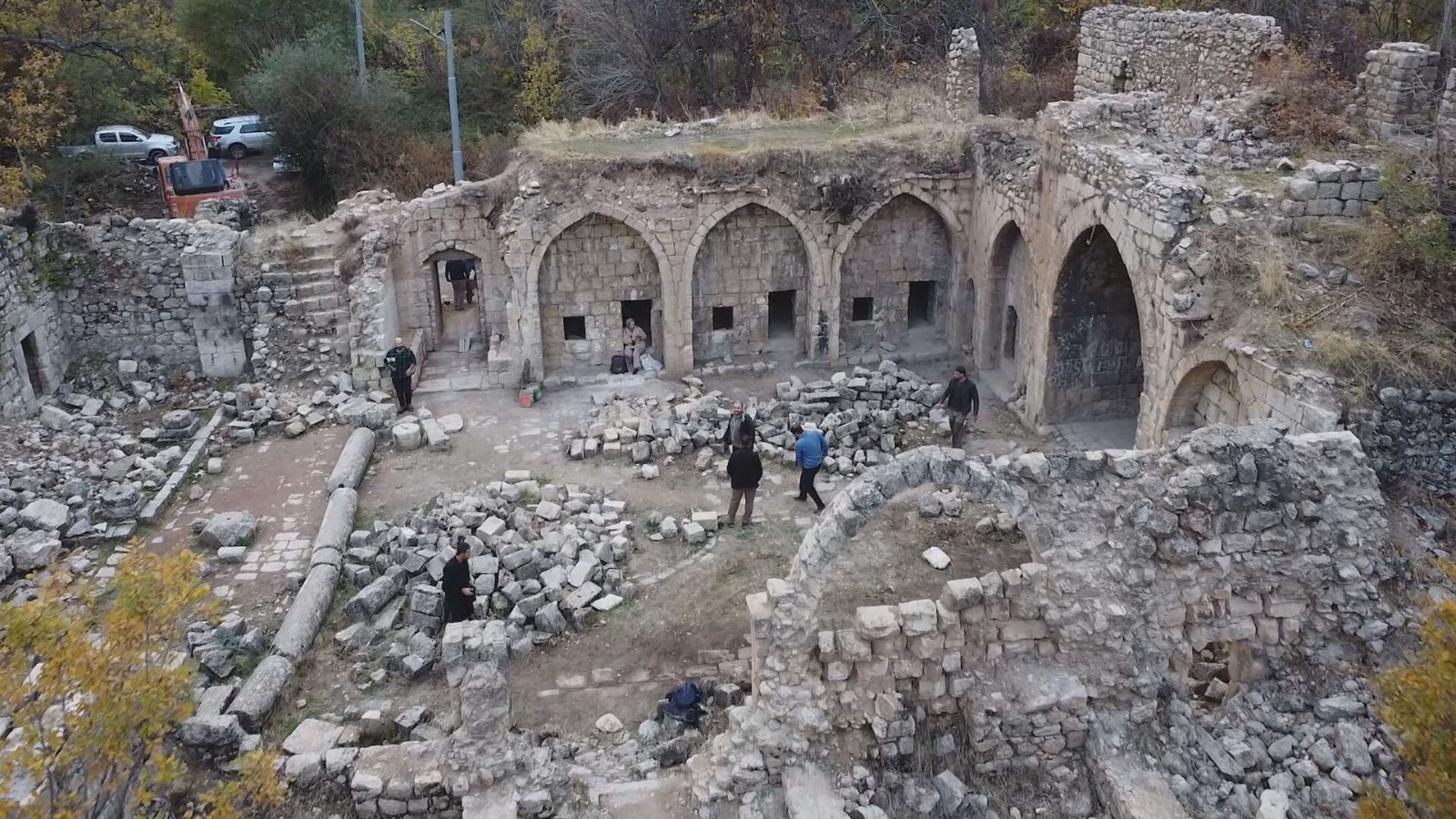
Regarding the technical execution of this ambitious plan, the project is operating under a strict timeline and methodology designed to ensure historical authenticity.
Hiwar Amedi, the Director of Antiquities of Duhok province, provided Kurdistan24 with detailed insights into the mechanics of the restoration.
He explained that the work is being carried out according to a comprehensive contract concluded with the French agency that spans a full year. This duration allows for a methodical approach to the delicate work required to save these structures without compromising their integrity.
According to Amedi, the teams have already begun the first phase of the operation. This initial stage is crucial for stabilizing the sites before the onset of the harsh winter weather typical of the mountainous area. The work currently includes extensive cleaning, the removal of accumulated rubble, and rigorous documentation processes.
This preparation is essential to clear the canvas before the heavy work begins, ensuring that the sites are protected before the rainy and snowy season arrives, which could otherwise cause further damage to the exposed ruins.
A key aspect of the project’s technical integrity lies in its reliance on historical evidence. Amedi revealed that the technical teams are relying on documentary photos dating back more than 100 years.
These archival images serve as the blueprint for the restoration, ensuring that the work restores the landmarks to their original form rather than imposing modern interpretations upon them. This fidelity to the past is a cornerstone of the project's philosophy.
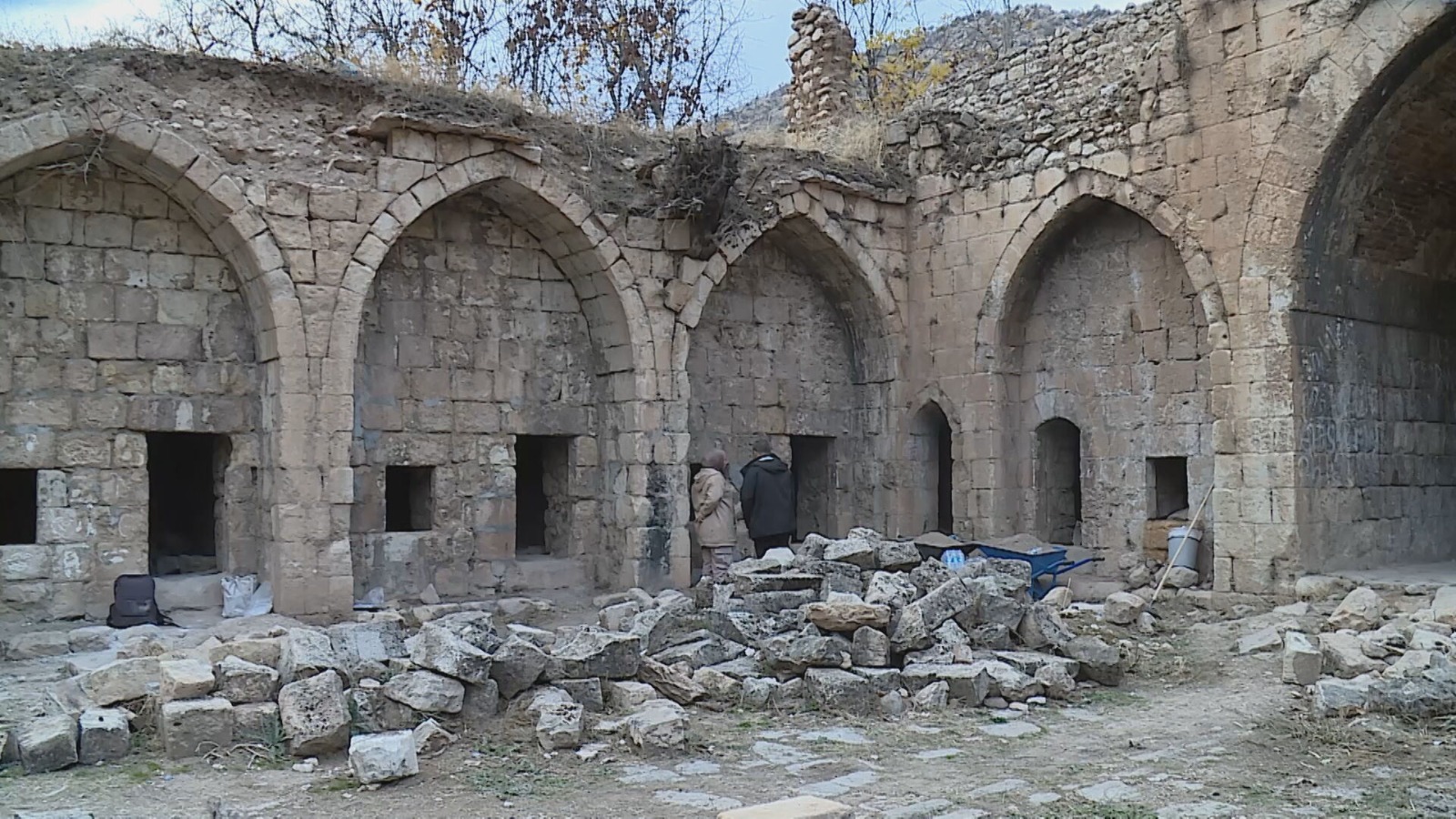
Looking ahead, Amedi outlined the schedule for the next steps. He added that the actual restoration phase, which involves the physical reconstruction and repair of the masonry, will begin in about two months. This phase will be characterized by a commitment to traditional craftsmanship.
The teams will be using original traditional materials such as stone and plaster, eschewing modern cement or incompatible substances that could harm the historic structures. Crucially, this work will be performed with the arms and expertise of the people of the region themselves.
This approach ensures that the skills required to maintain these sites are passed down and retained within the local community, fostering a sense of ownership and pride in the project.
The implications of this initiative extend far beyond the preservation of stones.
The district administration and specialists in the field are counting on this project to serve as a significant turning point in the tourism sector for Duhok province. The report indicates that the restoration of these historical monuments is a strategic investment in the region's future. By preserving the cultural identity of the region, the project aims to turn Amedi into a premier destination for both local and foreign tourists.
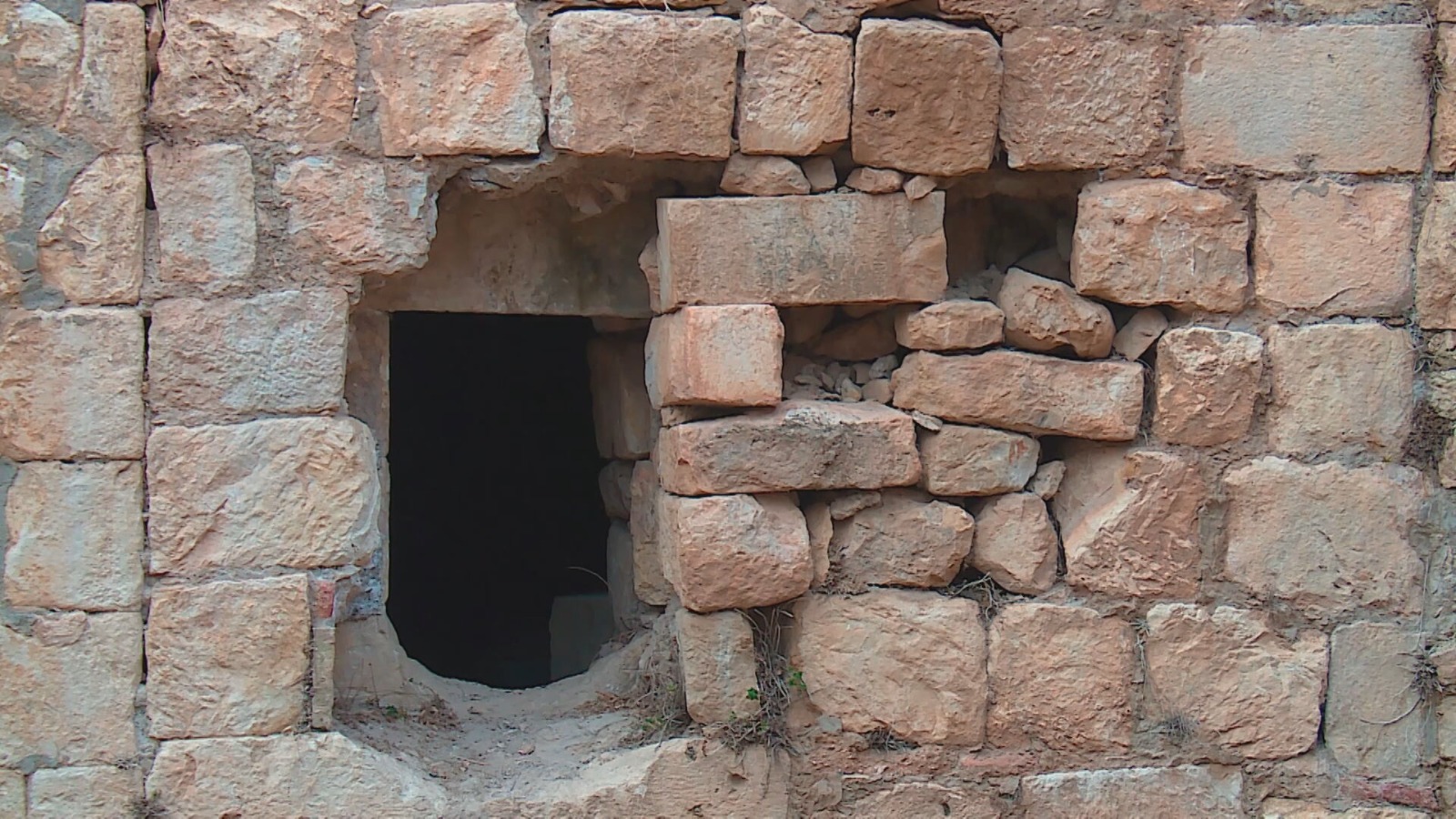
The revitalization of sites like the Qubahan School and the Grand Mosque will enhance the introduction to the ancient civilization of this mountainous city, inviting the world to witness the rich history of the Bahdinan region.
As the rubble is cleared and the ancient stones are prepared for renewal, the partnership between the Kurdistan Region and France stands as a model of cultural cooperation.
From the scholarly halls of Qubahan to the spiritual sanctuary of the Grand Mosque and the Chaldean Church, the history of Amedi is being rescued from the brink of extinction.
Through the careful application of French funding and local craftsmanship, these landmarks are set to rise again, not just as relics of the past, but as vibrant engines for the economic and cultural future of the Kurdistan Region.
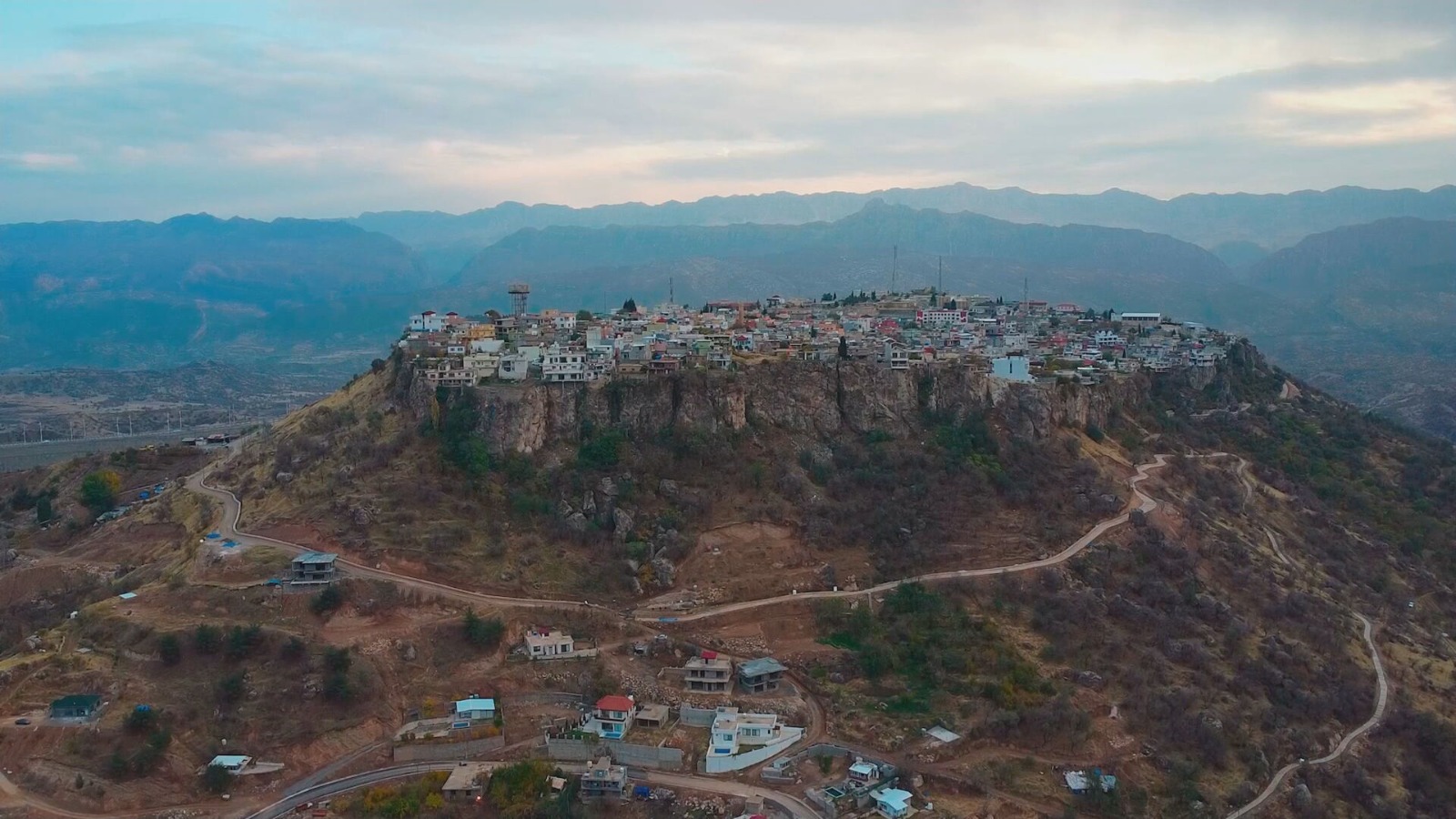
Kurdistan24 correspondent Rebwar Hilmi contributed to this report.