Facing Severe Drought Iran Plans to Purchase Water From Neighboring Countries
Facing its driest period in 50 years, Iran plans to purchase water from neighbors and import water-intensive crops as severe drought strains reserves, prompting rationing in major cities like Tehran.
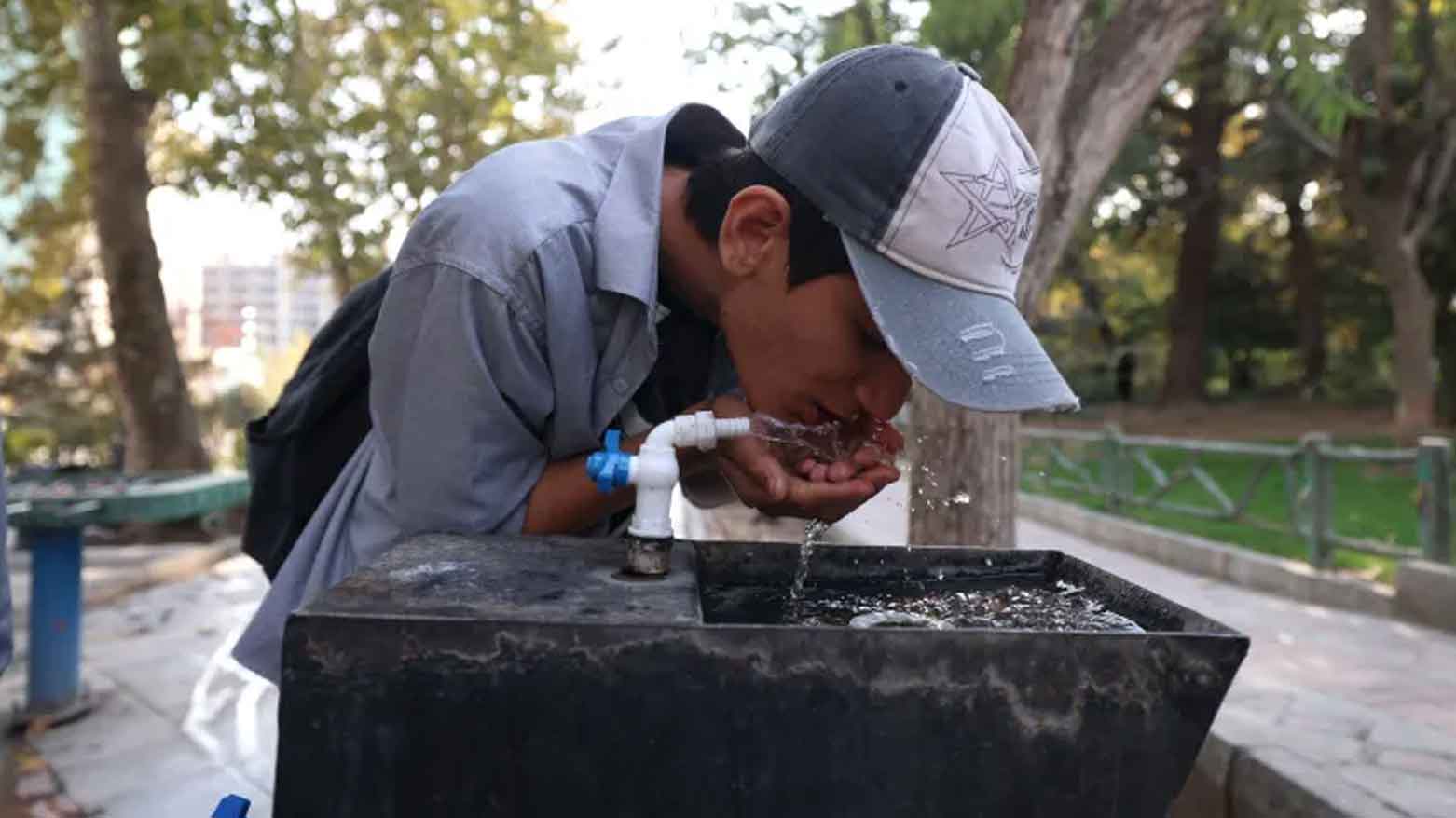
ERBIL (Kurdistan24) – Iran announced on Wednesday that it is preparing to purchase water from neighboring countries, as the country faces one of the most severe and widespread droughts in its modern history.
Iranian Energy Minister Abbas Ali Abadi said that the government is now exploring external options to meet urgent domestic needs. “If there is a country willing to sell water, we will buy it,” he stated, according to remarks carried by German news agency DPA.
Abadi also noted that Iran has placed the import of water-intensive agricultural products on its national agenda, reflecting the depth of the crisis and the strain on domestic production.
Iran is among the world’s most drought-stricken countries, with experts observing a sharp decline in rainfall over recent years alongside escalating heatwaves and increasingly extreme climate patterns.
The announcement comes as Iran confronts what authorities describe as the driest period in half a century. On November 17, officials launched emergency cloud-seeding flights over the Urmia Lake basin in the northwest — a region where Lake Urmia, once the Middle East’s largest saltwater lake, has nearly vanished due to prolonged drought and mismanagement.
State media reported that further cloud-seeding missions are planned for East and West Azerbaijan provinces, while videos from western and northwestern Iran showed heavy rainfall and limited flooding. It remains unclear whether these events resulted from cloud-seeding operations.
According to the Iranian Meteorological Organization, national precipitation levels are now 89 percent below long-term averages, marking the driest autumn in 50 years.
The drought’s most alarming effects are centered in Tehran. Rainfall in the capital has dropped to its lowest point in a century, and half of Iran’s provinces have gone months without a single drop of rain.
Earlier this month, President Masoud Pezeshkian warned that Tehran could face partial evacuation if meaningful rainfall does not arrive soon. Although no details were given on how such a move would be carried out, Energy Minister Abadi confirmed that water cuts have already begun in some neighborhoods and that broader rationing is imminent to “avoid waste.”
The Amir Kabir Dam — one of Tehran’s main water sources — currently holds only 14 million cubic meters of water, down from 86 million at the same time last year. With daily consumption hovering around three million cubic meters, reserves could become critically depleted within weeks.
Similar emergency measures are being considered in major cities such as Isfahan, Tabriz, and Mashhad.
Experts warn that while climate change has intensified Iran’s drought, decades of poor planning have played a major role in the disaster. Over-construction of dams, inefficient irrigation, and outdated water-management systems have contributed to a situation environmental analysts now describe as a “manmade catastrophe.”
The drought is compounding Iran’s severe economic pressures. With the national economy weakened by US, EU, and UN sanctions, vital industries such as petrochemicals, steel, and mining — all heavy water consumers — face potential slowdowns that could deepen unemployment and widen social unrest.
Analysts warn that Iran’s growing need to divert resources toward managing internal water shortages may impact its regional activities. As authorities prioritize domestic stability, the capacity to support allied groups in the region could weaken, a shift that observers say may alter the geopolitical landscape.
For now, Iranian officials are relying on cloud seeding, imports, and rationing to bridge the gap until winter rains arrive. But environmental experts caution that without sweeping structural reforms, Iran risks facing an even more severe and potentially irreversible collapse of its water systems.
As reservoirs shrink, agricultural output declines, and major urban centers edge closer to crisis, Iran’s worsening drought is increasingly viewed not only as an environmental emergency but as a decisive national turning point.