OPEC+ Members Agree on Production Levels for Early 2026 to Stabilize Global Oil Market
Saudi Arabia will lead with 10.103 million barrels per day, followed by Russia at 9.574 million barrels per day, Iraq at 3.411 million barrels per day, and Kuwait at 2.580 million barrels per day.
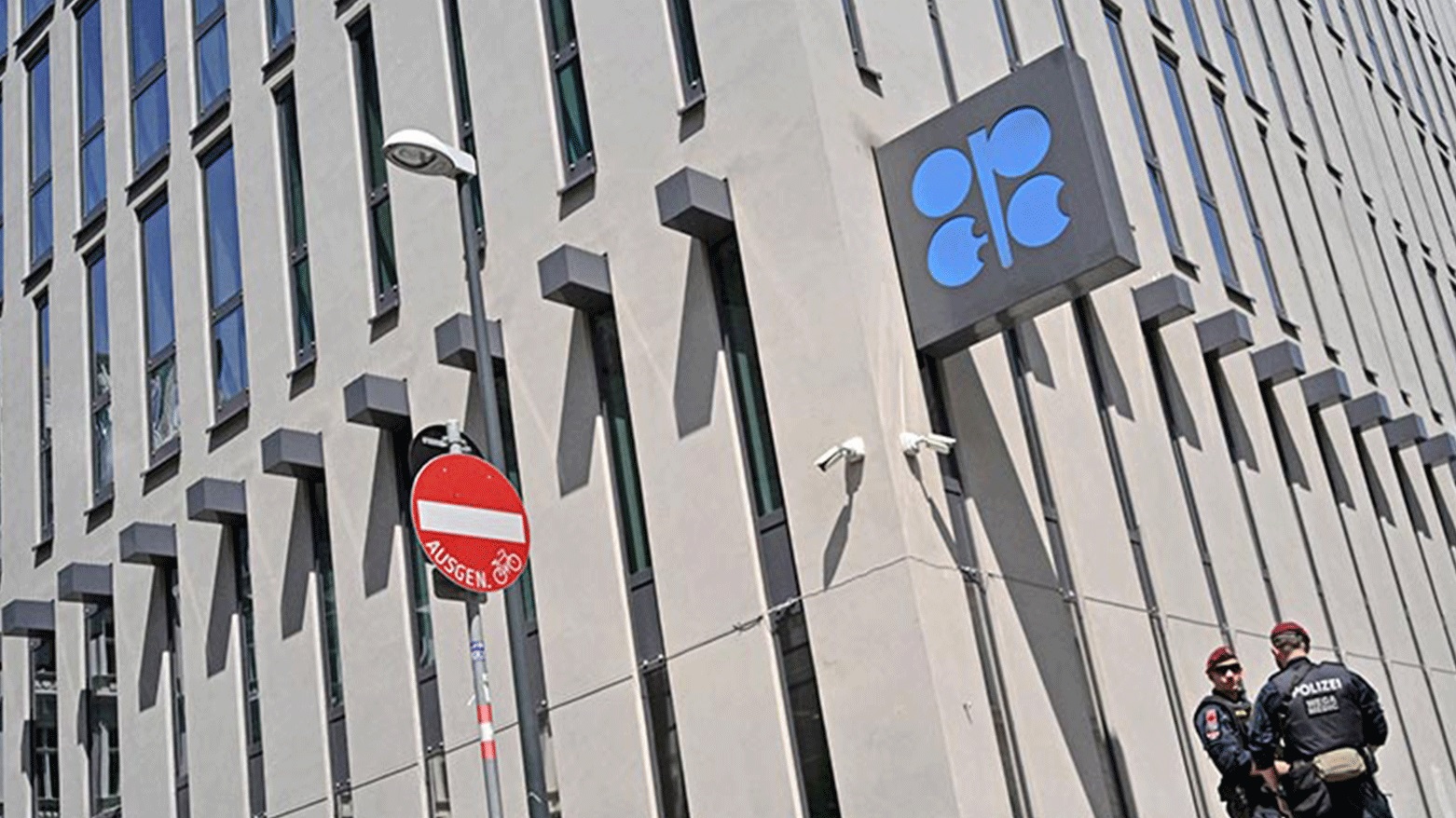
ERBIL (Kurdistan24) – Eight OPEC+ member states have agreed on crude oil production levels for the first quarter of 2026 in a move aimed at supporting market stability amid ongoing fluctuations in global energy demand. The decision, announced on Tuesday, reflects a coordinated effort to manage surplus production in January, February, and March next year.
Under the agreement, Iraq’s crude production share for the first quarter of 2026 is set at 4.273 million barrels per day, according to figures released by OPEC+. Saudi Arabia will lead with 10.103 million barrels per day, followed by Russia at 9.574 million barrels per day, Iraq at 3.411 million barrels per day, and Kuwait at 2.580 million barrels per day.
Kazakhstan’s output has been set at 1.569 million barrels per day, while Algeria and Oman will produce 971,000 barrels and 811,000 barrels per day, respectively. All participating countries affirmed their commitment to follow the production mechanism established within the OPEC+ framework.
The decision comes as oil-producing nations grapple with balancing supply amid shifting global economic conditions, rising geopolitical tensions, and evolving energy transition policies. Since its formation in 2016, OPEC+—a coalition of OPEC members and allied producers led by Russia—has played a central role in managing oil output to counter market volatility.
Over the past two years, the group has frequently adjusted its production strategy in response to fluctuating demand patterns, particularly in the aftermath of the COVID-19 pandemic and amid renewed instability in several energy-producing regions. By agreeing to suspend surplus production in early 2026, member states aim to prevent oversupply, support price stability, and maintain cohesion within the alliance.
The latest agreement underscores the bloc’s continued commitment to coordinated action as it navigates a complex global energy landscape.