DEM Party MP: President Barzani's Leadership Has "Revived the Spirit of Kurdish National Unity"
DEM Party MP Cengiz Çandar stated President Masoud Barzani’s leadership has revived Kurdish national unity, calling Kurds the "engine of peace" in the region, citing recent Duhok and Istanbul conferences.
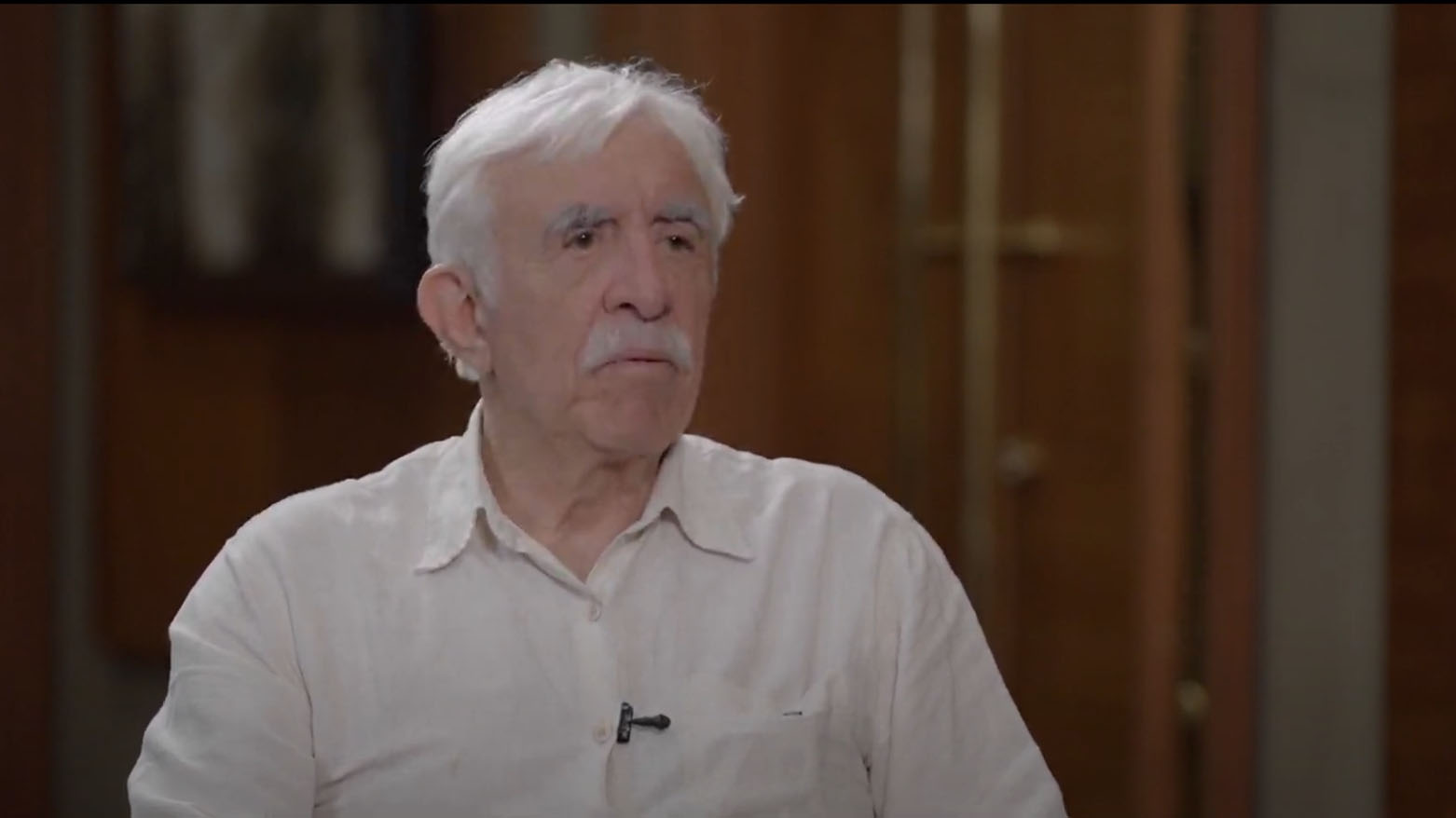
Erbil (Kurdistan24) - Prominent Kurdish politician and Member of Parliament for the Peoples’ Equality and Democracy Party (DEM Party), Cengiz Çandar, affirmed that the message of President Masoud Barzani and the leadership of the Kurdistan Region has revived and reinforced Kurdish national unity, describing Kurds as “a central actor and the engine of peace” in the region.
Speaking to Kurdistan24, Çandar offered an in-depth reflection on the political significance of two recent high-profile gatherings: the MEPS meeting previously held in Duhok and the International Conference for Peace and the Democratic Community convened in Istanbul.
Çandar drew a clear line connecting both events, describing the Istanbul conference as a continuation and culmination of the momentum forged earlier in Duhok. He stressed that the Istanbul forum, organized under the banner of international peace and democratic society, represented—like MEPS—a serious and influential platform contributing to a roadmap for peace and stability in the Middle East.
He reiterated his conviction that both forums constitute “serious and influential movements for outlining the path toward peace and stability in the Middle East.”
The DEM Party parliamentarian recalled his own participation in the MEPS meeting in Duhok, characterizing it as a major international gathering that brought together high-level personalities and key decision-makers from across the region. He noted that the meeting provided more than a venue for dialogue; it established a practical platform for achieving operational outcomes, a point that aligned with the views earlier emphasized by Kurdistan Region Prime Minister Masrour Barzani, who underlined that MEPS is not merely a discussion space but a mechanism for securing concrete achievements.
According to Çandar, the presence of influential Kurdish leaders such as Mazloum Abdi and Ilham Ahmed underscored the event’s weight and its clear expression of the Kurdish demand for national unity. Their participation, he said, demonstrated the Kurds’ capacity to play a decisive and meaningful role within the wider political dynamics of the region.
Çandar placed special emphasis on the message delivered by President Masoud Barzani during the Istanbul conference, describing it as central to reviving the spirit of Kurdish unity. He stated that “the message of President Barzani and the leadership of the Kurdistan Region revived the essence of Kurdish national unity and reaffirmed that Kurds are central actors and the engine of peace in the region.”
The DEM Party parliamentarian said the Istanbul meeting followed the same path initiated in Duhok, reinforcing a single political trajectory aimed at unity, stability, and coordinated Kurdish engagement.
Reflecting on the combined outcomes of both gatherings, Çandar concluded that the events indicate a growing recognition of the Kurds’ unique historical weight and political significance. He argued that Kurdish participation—when unified and proactive—remains indispensable for preventing any peace or stability process in the Middle East from faltering.
He underscored that the results of both the Duhok and Istanbul conferences reaffirm the belief that Kurds possess their own distinct strength and historical depth, and that without their active involvement as a strong and central force, no peace or stability process in the Middle East can succeed.