Saudi Arabia Expands Alcohol Access for High-Income Foreign Residents Amid Ongoing Social Reforms
Foreign residents earning at least 50,000 Saudi riyals ($13,300) per month are now permitted to purchase alcohol from the kingdom’s sole liquor store in Riyadh.
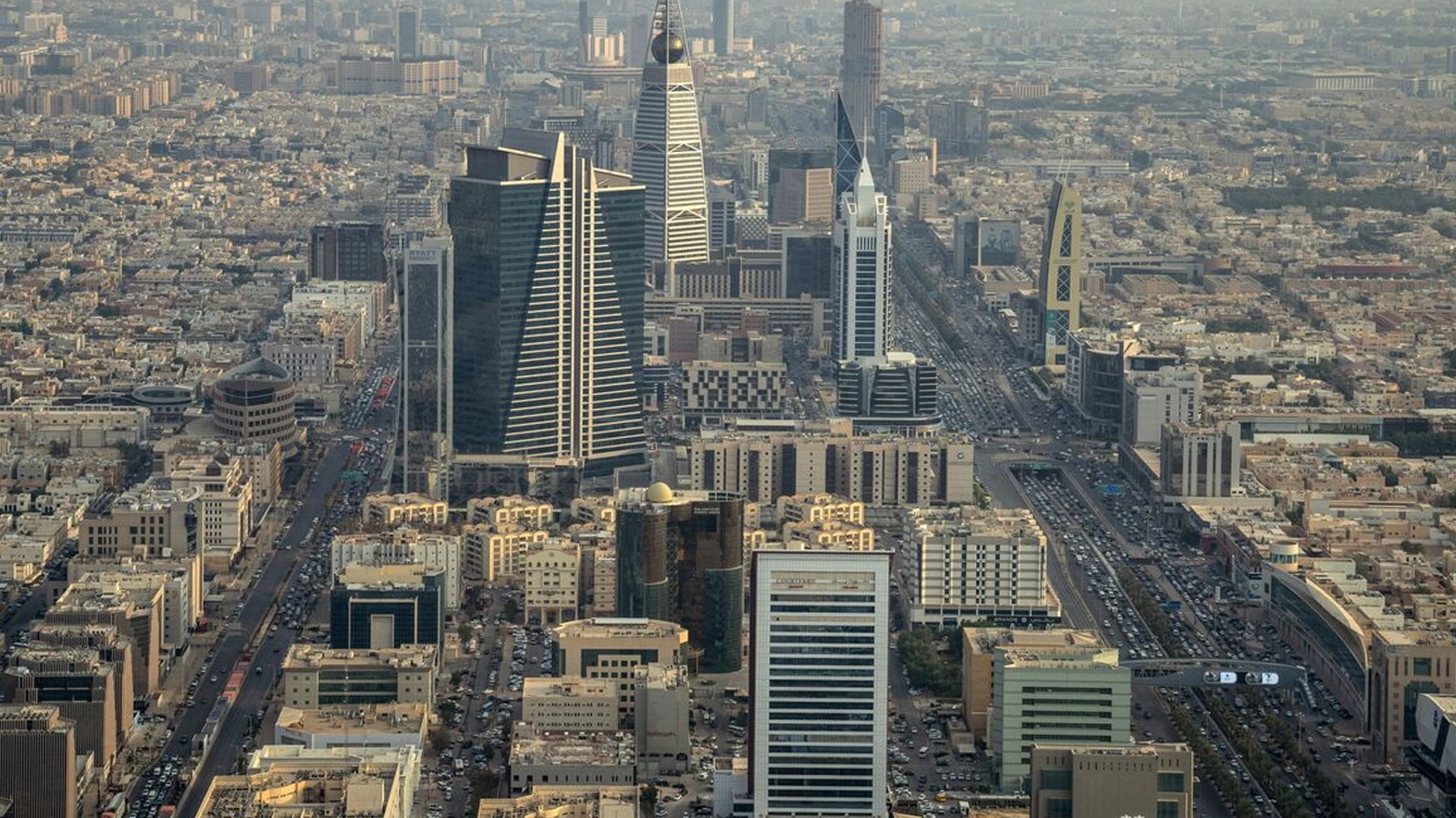
ERBIL (Kurdistan24) – Saudi Arabia has taken another step in easing long-standing social restrictions by expanding access to alcohol for non-Muslim foreign residents, Bloomberg reported on Monday, citing people familiar with the development.
According to the report, foreign residents earning at least 50,000 Saudi riyals ($13,300) per month are now permitted to purchase alcohol from the kingdom’s sole liquor store in Riyadh. Eligible customers must present a salary certificate to gain entry to the outlet, which opened last year exclusively for foreign diplomats before later extending access to non-Muslims with premium residency status.
The Saudi government has not issued any official statement on the recent changes, and authorities did not respond to Bloomberg’s request for comment.
Purchases at the Riyadh store are regulated through a monthly point-based allowance system, according to sources. Bloomberg previously reported that additional liquor outlets are under construction in two other Saudi cities, marking a gradual expansion of controlled alcohol availability.
The move aligns with Saudi Arabia’s broader efforts to loosen social restrictions and attract international talent as part of its ambitious economic diversification plans. Transforming Riyadh into a globally competitive business hub has been a key objective under Crown Prince Mohammed bin Salman’s Vision 2030 reform agenda.
In recent years, the kingdom has introduced a series of social reforms, including lifting the ban on women driving, permitting public entertainment and mixed-gender events, and opening the country more fully to tourism. These measures reflect a careful balancing act as the government pushes forward with modernization efforts in a country that remains the birthplace of Islam and home to its two holiest sites.