U.S. Envoy Warns Baghdad: Rein In Militias or Face ‘Fragmentation and Decline’
US Envoy Savaya warns Iraq to rein in militias or face isolation, stressing that sovereignty and stability depend on asserting state authority.
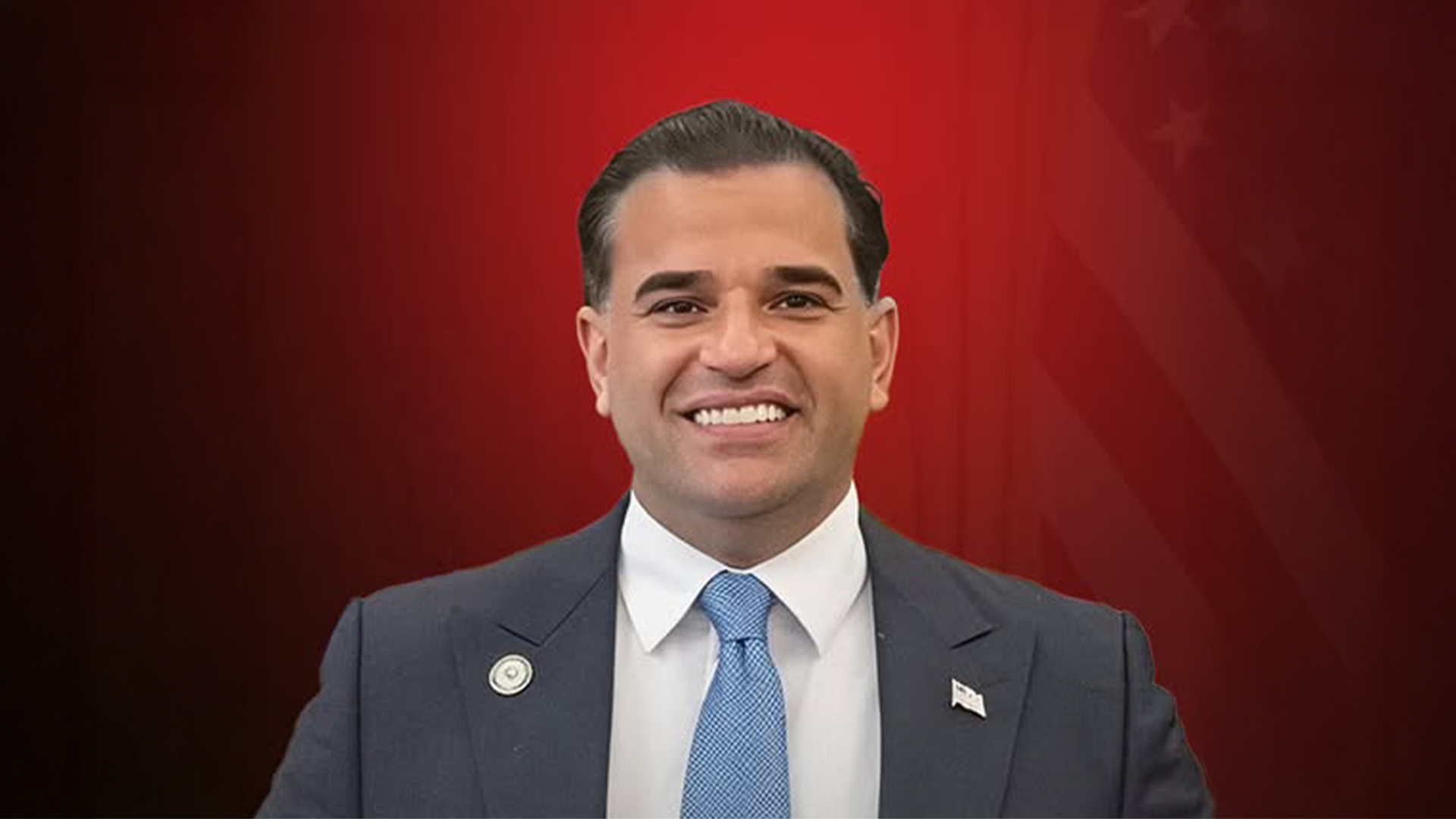
ERBIL (Kurdistan24) – Mark Savaya, the United States Special Envoy to Iraq, delivered a stark message to Baghdad’s political elite on Thursday, warning that the continued tolerance of armed groups operating outside state control threatens to drag the country back into chaos and international isolation.
In a statement published on X, Savaya framed the current moment as decisive for Iraq’s future, asserting that "no nation can succeed while armed groups compete with the state and undermine its authority."
His remarks come as the Trump administration intensifies pressure on Baghdad to dismantle Iran-backed militias, signaling that U.S. support is contingent upon the restoration of full sovereignty and the rule of law.
Savaya’s declaration coincides with the eighth anniversary of Iraq’s victory over ISIS and the completion of recent parliamentary elections, milestones he invoked to underscore the urgency of the situation.
"Twenty-three years after the fall of the dictatorship, Iraq stands once again at a decisive moment," Savaya wrote. He argued that the division created by parallel military structures has "weakened Iraq’s global standing, suffocated its economy, and limited its ability to protect its national interests."
The envoy’s language reflects a broader shift in U.S. policy, moving away from unconditional engagement toward a strategy that demands tangible results in security sector reform.
The statement explicitly links Iraq’s stability to a "realistic and balanced approach" that avoids regional entanglements.
Savaya praised the progress made over the past three years when the government focused on national priorities, warning that this "emerging path must not be disrupted."
He placed the burden of responsibility squarely on the country’s leadership, stating that their decisions in the coming period will determine whether Iraq "advances toward sovereignty and strength or slips back into fragmentation and decline."
Crucially, Savaya outlined the consequences of failure with brutal clarity.
"The alternative is equally clear: economic deterioration, political confusion, and international isolation," he warned.
Conversely, a unified decision to assert state authority would send an "unmistakable signal" that Iraq is ready to claim its place as a stable nation in the "new Middle East."
This binary choice—sovereignty or decline—echoes the sentiments expressed recently by other senior U.S. officials, who have suggested that the era of accommodating militias is over.
Gabriel Soma, a member of the advisory board to President Donald Trump, reinforced this hardline stance in an interview with Kurdistan24 earlier this week.
Soma warned that the continued proliferation of armed militias could trigger "severe action," including economic embargoes. "If the United States allow Iraq to keep militias armed—then probably one day in the future you might have a civil war," Soma cautioned, framing disarmament as an existential necessity.
He emphasized that the Trump administration is unified in its demand that Iraq must "disarm these groups and take out their weapons from them," a directive that carries the full weight of the Oval Office.
The legislative branch in Washington is also mobilizing to enforce this policy.
Republican Congressman Joe Wilson issued a forceful statement on Wednesday, calling for U.S. aid to be conditioned on Baghdad’s actions against Iran-backed groups. Wilson praised Savaya’s approach, noting that the new administration has "made clear to Iraq that business as usual in supporting Iran-backed militias will not be tolerated."
He highlighted new provisions in the National Defense Authorization Act (NDAA) that would restrict funding to Iraq’s security forces unless tangible steps are taken to diminish the role of Tehran-aligned factions.
Wilson specifically accused Iran of gaining "total control" over Iraq’s institutions and demanded an international audit of oil transactions to stop the funding of "Iranian puppets."
Savaya’s statement concludes with a pledge of support, contingent on reform.
"Under President Trump’s leadership, the United States stands fully prepared to support Iraq during this critical phase," he wrote.
He committed his team to working closely with Iraqi leaders to secure a "strong state, a stable future, and a sovereign Iraq capable of shaping its own destiny."
Twenty-three years after the fall of the dictatorship, Iraq stands once again at a decisive moment. The country was given a historic opportunity to rebuild its institutions and secure a prosperous future. Yet, no nation can succeed while armed groups compete with the state and… pic.twitter.com/RpNZyRorqr
— Mark Savaya (@Mark_Savaya) December 11, 2025
This offer of partnership serves as both an incentive and a reminder of what stands to be lost if Baghdad fails to act.
As Iraq navigates the complexities of government formation and the persistent threat of militia violence, the message from Washington is unambiguous: the path to stability requires the monopoly on violence to return to the state.
With international patience wearing thin and economic penalties looming, Iraq’s leaders face a historic choice that will define the nation’s trajectory for years to come.