U.S. Pushes for International Stabilization Force in Gaza Early Next Year
The US aims to deploy a UN-authorized international stabilization force in Gaza as early as next month, with over 25 countries to discuss its composition in a Doha conference, as part of the next phase of Trump's peace plan.
ERBIL (Kurdistan24) - The United States is aiming to deploy an international stabilization force in the Gaza Strip as early as next month, according to two U.S. officials cited by Reuters, as part of the next phase of President Donald Trump’s plan to end the two-year conflict in the enclave.
According to Reuters, the officials, who spoke on condition of anonymity, said the proposed International Stabilization Force (ISF) would be authorized by the United Nations and would focus on maintaining stability rather than engaging in combat with Hamas. They added that the force would not be tasked with fighting the Palestinian militant group, leaving unresolved the sensitive question of how Hamas would ultimately be disarmed.
According to the officials, a growing number of countries have expressed interest in contributing troops. U.S. officials are currently working to determine the size, composition, housing arrangements, training framework, and rules of engagement for the force.
As part of these preparations, U.S. Central Command is scheduled to host a conference in Doha on December 16, bringing together partner nations to plan the deployment of the ISF. More than 25 countries are expected to send representatives to the meeting, which will include discussions on command structure and other operational details related to the Gaza mission.
The officials said an American two-star general is being considered to lead the stabilization force, though no final decision has been made.
The prospective deployment is a central element of the next phase of Trump’s Gaza peace plan. Under the first phase, a fragile ceasefire in the war, now in its second year, came into effect on October 10. Since then, Hamas has released hostages, while Israel has freed detained Palestinians, marking limited but significant steps in implementing the agreement.
The push to deploy an international force comes as Gaza faces unprecedented physical destruction, raising urgent questions about security, governance, and reconstruction once the ceasefire transitions into a more durable arrangement.
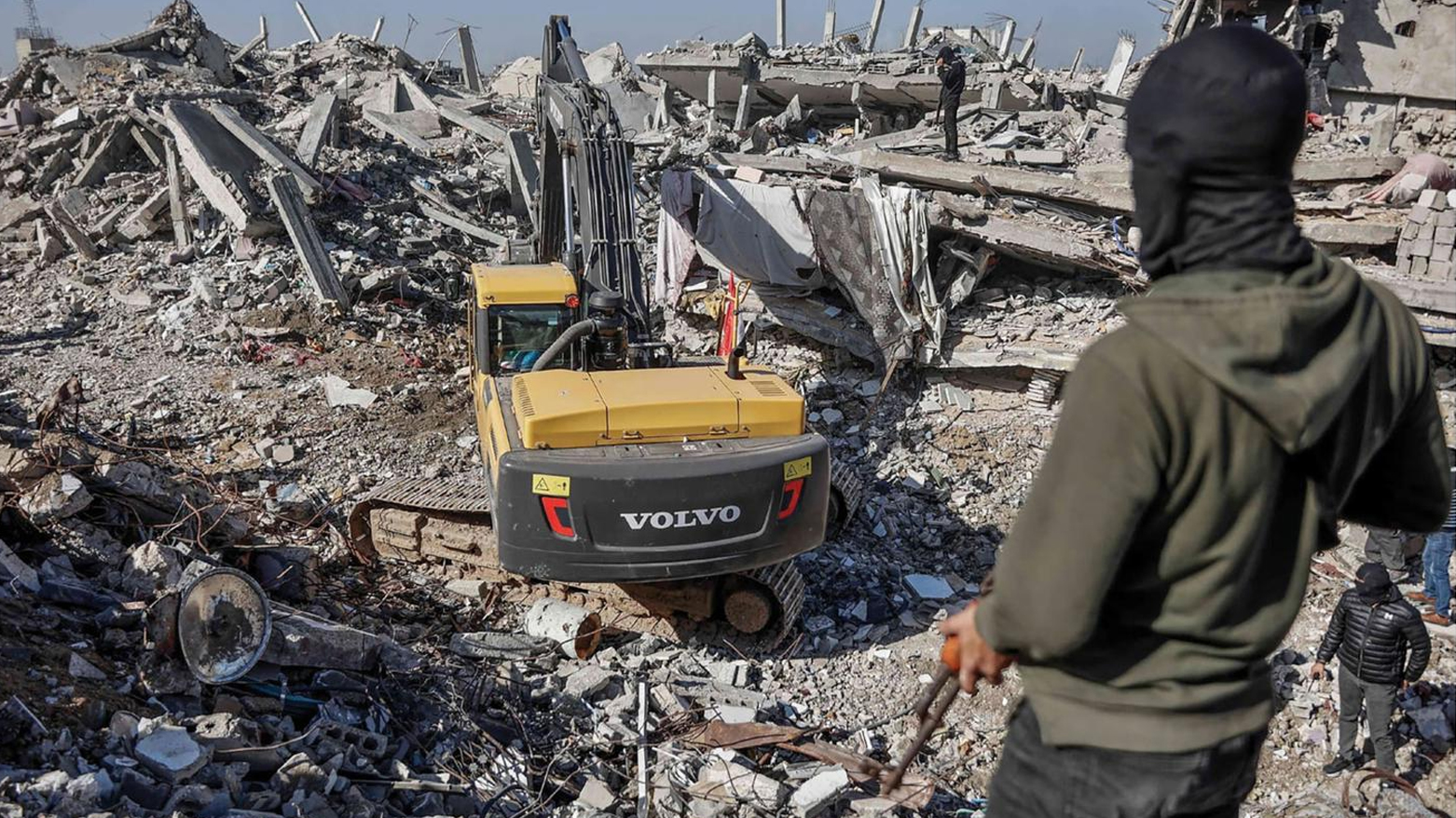
According to a recent assessment cited in a Wall Street Journal report, the Gaza Strip is buried beneath an estimated 68 million tons of rubble, a volume equivalent to the weight of 186 Empire State Buildings. The report estimates that clearing this debris alone could take up to seven years and cost well over one billion dollars, even if political obstacles are resolved and the ceasefire holds.
United Nations satellite imagery indicates that more than 123,000 buildings in Gaza have been destroyed, with an additional 75,000 damaged. In total, roughly 81 percent of all structures in the enclave have been affected, leaving almost no neighborhood untouched by the war.
Beyond the scale of destruction, the cleanup effort is compounded by grave risks. Large quantities of unexploded ordnance remain embedded in the rubble, while Palestinian health authorities estimate that the bodies of approximately 10,000 people are still trapped beneath collapsed buildings.
The United Nations Development Program, which is leading rubble removal efforts, has warned that progress remains severely constrained by the lack of heavy machinery. Gaza currently has only nine working excavators, 67 wheel loaders, and a single functioning crusher. Requests to import additional equipment, including dump trucks and excavators, remain subject to Israeli approval, as Israel considers such machinery “dual-use” items that could be repurposed for military activities.
As Washington and its partners accelerate planning for an international force, significant uncertainties remain over Gaza’s future governance, security arrangements, and reconstruction. While U.S. officials emphasize that the proposed stabilization force would not engage Hamas militarily, its deployment is viewed as a cornerstone in efforts to prevent a power vacuum and lay the groundwork for longer-term political and humanitarian solutions.
Whether the ISF can operate effectively amid unresolved political disputes and the sheer scale of devastation on the ground remains a central question as the next phase of the Gaza plan begins to take shape.