U.S. Forces Board Vessel in Indian Ocean, Seize Cargo Bound for Iran
A US special operations team boarded a commercial vessel in the Indian Ocean last month, seizing a China-bound dual-use cargo shipment to Iran, in an escalation of efforts to disrupt Tehran's military resupply.
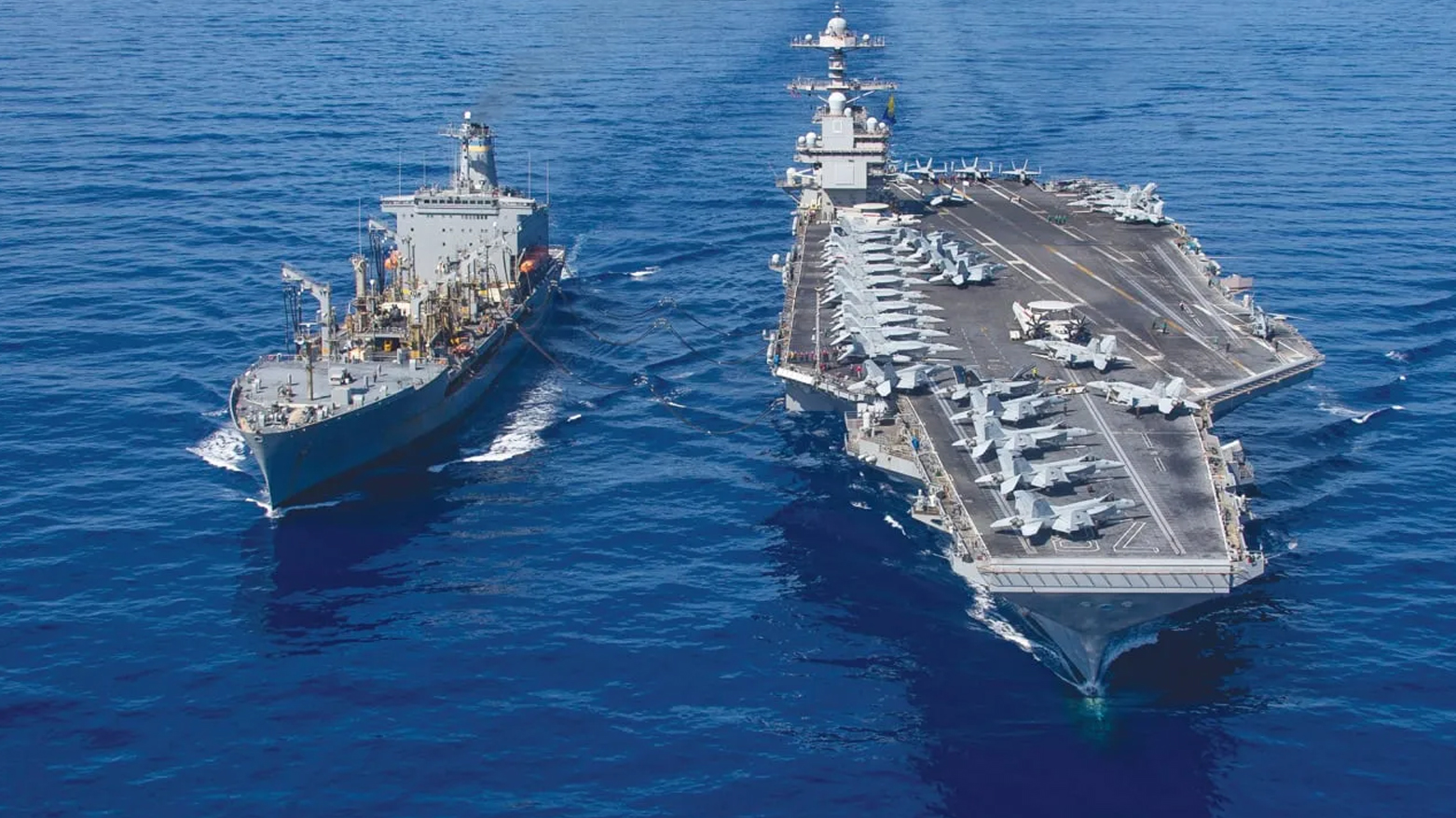
ERBIL (Kurdistan24) – A U.S. special operations team boarded a commercial vessel in the Indian Ocean last month and seized cargo bound for Iran from China, in a rare maritime operation aimed at preventing Tehran from rebuilding its military arsenal, a U.S. official has said.
According to the official, who spoke The New York Times, on condition of anonymity, the United States had been tracking the shipment as it traveled from China toward Iran. The ship was sailing several hundred miles off the coast of Sri Lanka when U.S. special operations forces launched the boarding operation, confiscated the cargo, and then allowed the vessel to continue its journey.
The incident was first reported by The Wall Street Journal. A spokesperson for U.S. Indo-Pacific Command, which oversees military operations in the region, declined to comment on the operation.
The seized cargo was described as consisting of “dual-use” components—materials that can be used for civilian purposes but also for manufacturing conventional weapons. The official said it remains unclear exactly what the ship was carrying.
The seizure took place amid a strategic stalemate between Iran and the United States over Tehran’s nuclear weapons program, and only weeks before Iranian authorities announced the interception of an oil tanker in Gulf waters.
The operation comes after a short but intense war this summer between Iran on one side and Israel and the United States on the other. The conflict lasted 12 days and involved long-range missile and air strikes, resulting in more than 1,000 deaths, according to the information provided.
During that war, a fleet of U.S. stealth bombers struck Iranian nuclear facilities. U.S. officials said at the time that the strikes had “significantly degraded” Iran’s nuclear weapons program. However, regional officials and analysts have expressed concern that renewed conflict may be inevitable.
According to the U.S. official, Iranian factories are now working around the clock to replenish stockpiles of long-range missiles and drones capable of striking Israel. During the summer war, Iran reportedly sought to overwhelm Israel’s air defense systems through the sheer volume of missiles and drones, and is expected to seek imported components to rebuild its arsenal ahead of any future confrontation.
The United States has increasingly focused on disrupting the delivery of dual-use goods, particularly microelectronics and software used in guided weapons systems and remote drones. Such components are difficult to ban outright due to their legitimate civilian applications.
U.S. officials have previously attempted to interrupt shipments of similar goods from China to Russia during the war in Ukraine. However, those efforts had not escalated to direct military operations against commercial shipping.
The boarding of the vessel in the Indian Ocean therefore represents a notable escalation in U.S. efforts to control the flow of sensitive materials to Iran, reflecting Washington’s growing willingness to use direct maritime action to enforce its strategic objectives.
The operation also preceded the recent seizure of an oil tanker off the coast of Venezuela, underscoring heightened tensions surrounding global shipping routes linked to Iran amid broader regional and international disputes.