The Last Saddle Maker: A Heritage Craft Confronts Extinction in Hajiawa
In Sulaimani's Hajiawa, tailor Ibrahim Awla fights to keep the traditional Kurdish saddle craft alive amid drought, fading demand, and modernizing rural life.
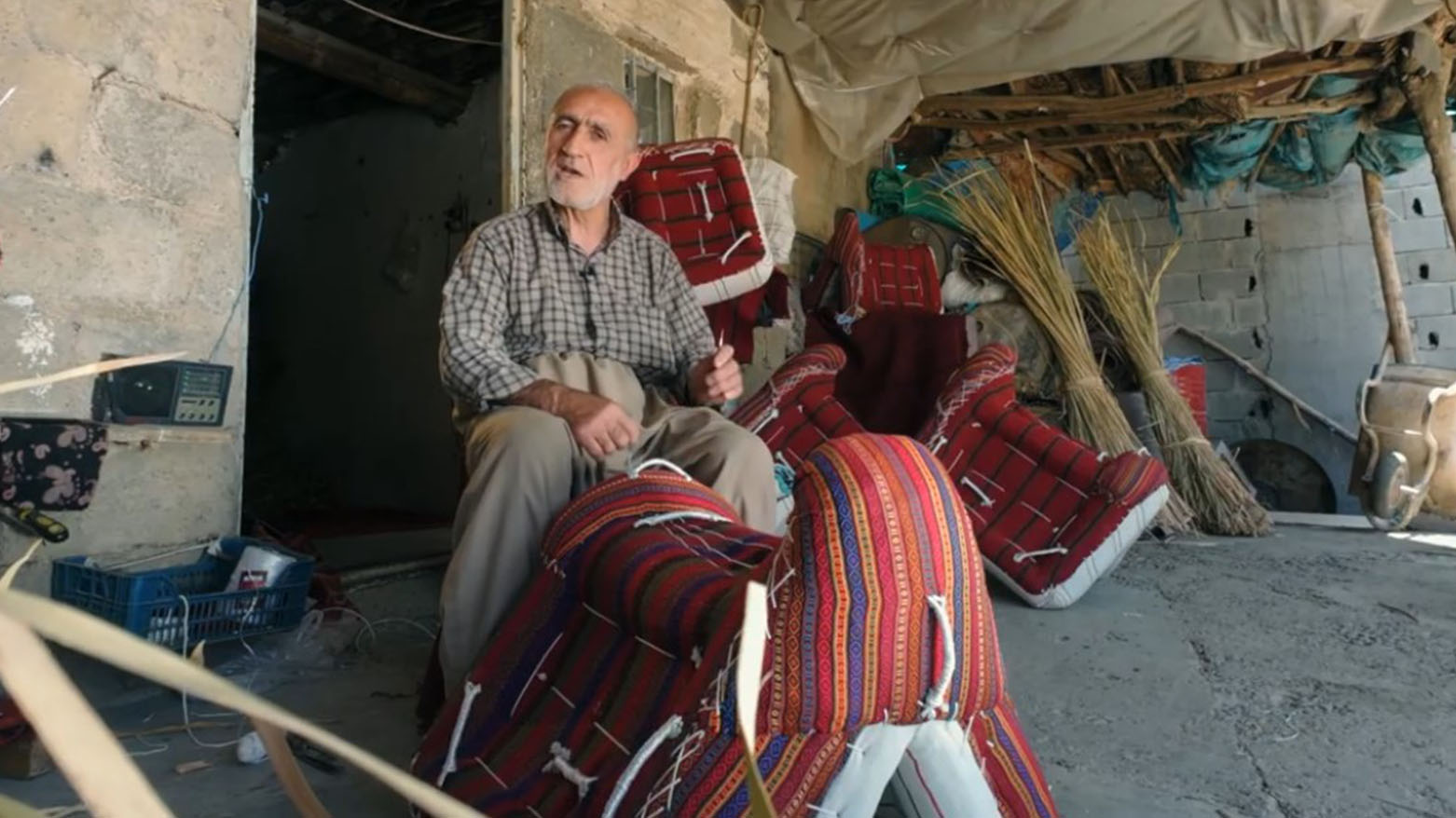
ERBIL (Kurdistan24) – In the quiet, dusty confines of a modest workshop in Sulaimani's Hajiawa sub-district, Ibrahim Awla stands as one of the last sentinels of a fading era, his hands working tirelessly to preserve a craft that once defined the logistical backbone of the rural Kurdistan Region. For more than three decades, Mr. Awla has dedicated his life to the meticulous art of sewing the "Kurtan," the traditional saddle used for pack animals, maintaining a trade he inherited from his family against the encroaching tides of modernity.
As lifestyles shift toward mechanization and the rhythms of agrarian life slow, Mr. Awla’s workshop remains a stubborn testament to heritage, operating at the intersection of cultural preservation and the harsh economic realities of a profession struggling against inevitable decline.
The continued existence of the saddle tailor in Hajiawa is not merely a business endeavor but a daily battle against environmental and economic shifts that have fundamentally altered the landscape of his trade.
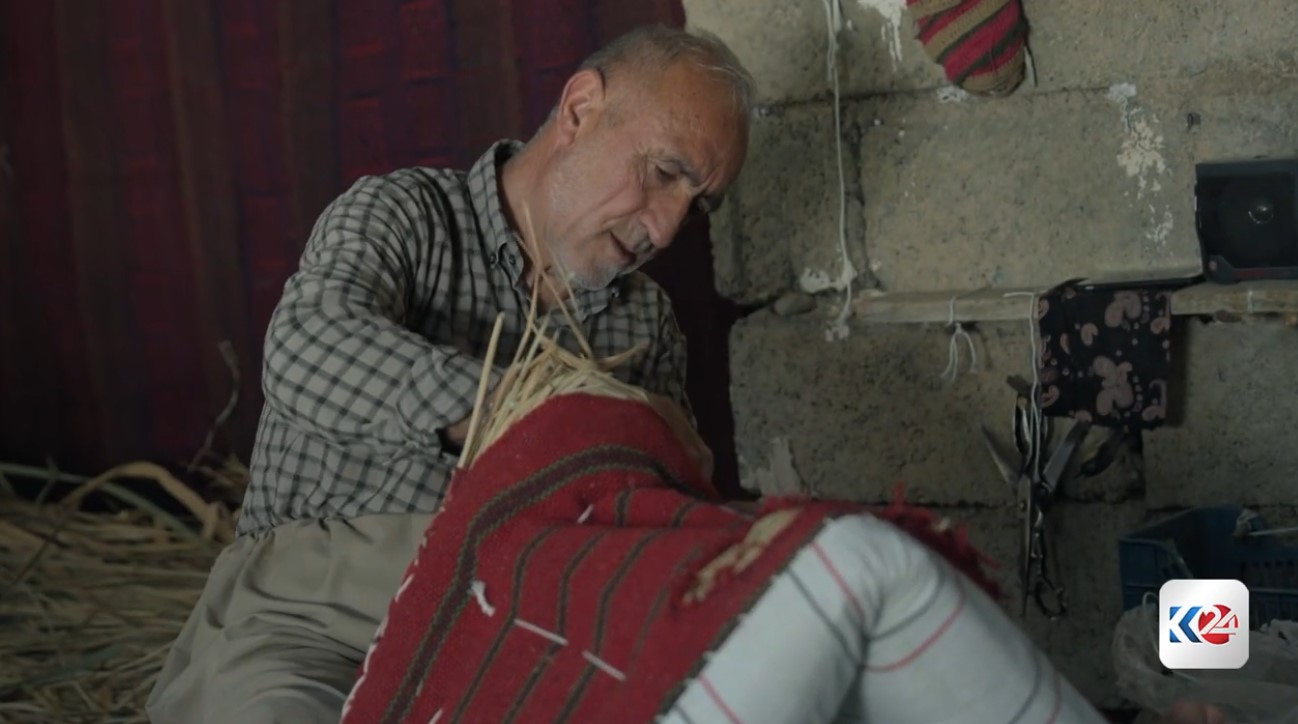
Locally renowned for his expertise, Mr. Awla explains that the construction of a saddle is a precise science relying on specific, increasingly scarce materials. The architecture of these saddles consists primarily of a durable outer fabric and layers of white felt, designed to cushion the beast of burden against the weight of its load.
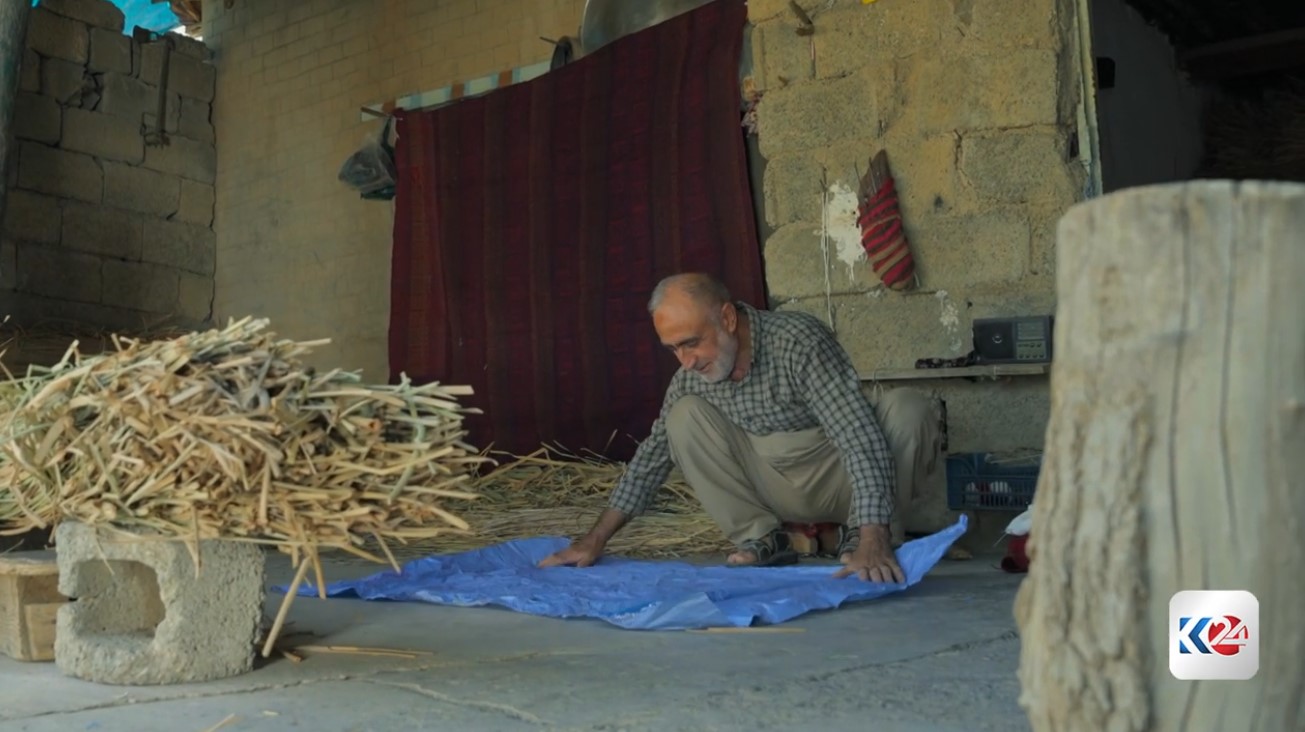
Traditionally, the internal fillings of these saddles were composed of straw, a byproduct of the region's once-flourishing agriculture. However, the changing climate has intruded into the workshop, forcing Mr. Awla to adapt his centuries-old techniques to the realities of a drier world.
The severe lack of rain and the subsequent decline in local agricultural output have led to a critical scarcity of straw, compelling the tailor to seek alternatives to keep his craft alive. Consequently, he has turned to using reeds, or papyrus, as a substitute for the traditional filling.
This adaptation has introduced new logistical complexities to his operation, as these materials must be sourced and transported from distant areas such as Zalm and Hizop, far from the convenience of the local fields that once supplied his predecessors.
This shift in the supply chain underscores the subtle ways in which environmental degradation ripples through the micro-economies of rural artisans, complicating even the most traditional of vocations.
Mr. Awla’s commitment to his labor is absolute, defined by a punishing schedule that defies the waning demand for his product.
During the winter months, his day begins in the early morning hours and extends well into the night, a routine dictated by the availability of materials and the physical demands of the task. The process of sewing a saddle is arduous, requiring significant physical effort that takes a heavy toll on the tailor’s shoulders and hands.
Despite his diligence, the labor-intensive nature of the work limits his production capacity to merely one or two saddles daily. Each piece is a product of intense manual exertion, crafted with a dedication that contrasts sharply with the mass-produced efficiency of the modern market.
The lineage of this craft in Mr. Awla’s life traces back to 1991, when he first took up the needle and thread under the tutelage of his older brother. His brother had been immersed in the trade since the 1970s, a golden era for saddle makers when the region’s economy was driven by trade caravans that traversed the rugged borders.
In those decades, movement flourished between areas such as Bazu, Halsho, Suni, and Zale, creating a robust and constant demand for high-quality pack gear. Today, however, that expansive geography of commerce has receded.
The operational footprint of the trade has shrunk dramatically, limiting Mr. Awla’s clientele to the residents of Hajiawa and its immediate vicinity, a shadow of the regional network that once sustained his family’s business.
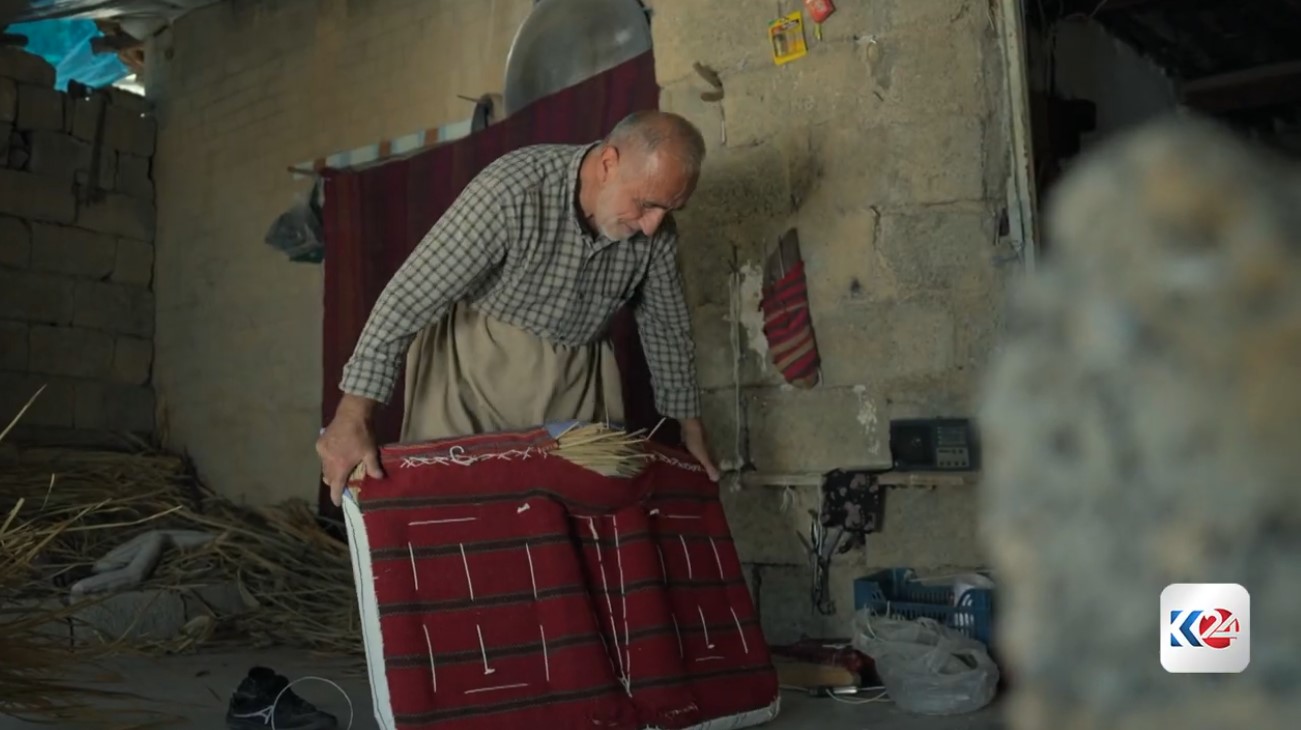
Technically, the saddles produced in Mr. Awla’s workshop are tailored with an engineer's eye for biology and utility. He prepares distinct variations suited to the specific anatomy of the animals they are intended for, creating three sizes for horses and mules and another three specifically for donkeys.
These distinct categories require precise measurements ranging between 50 and 80 centimeters to ensure a proper fit. Mr. Awla emphasizes that the quality of the saddle is not a luxury but a necessity; a well-made saddle is the only barrier between a heavy load and the animal's flesh.
He insists that his work provides essential comfort for both the animal and its owner, particularly during the long, arduous journeys that still characterize some aspects of rural Kurdish life.
Despite his established reputation and undeniable skill, Mr. Awla is candid about the economic stagnation threatening his livelihood. The market for traditional saddles has witnessed a precipitous decline, with sales activity now dormant for much of the year. He notes that the window of active commerce has narrowed to a short period, often not exceeding a single month annually.
This contraction is reflected in the materials he uses; most of the fabrics currently employed in his workshop, including velvet and burlap types paired with felt, are manufactured in Iran, highlighting the reliance on imported goods to sustain a local heritage craft.
However, the profession has not been rendered entirely obsolete. Mahmoud Hamad, a livestock breeder from the area, serves as a voice for the continuing relevance of the saddle tailor.
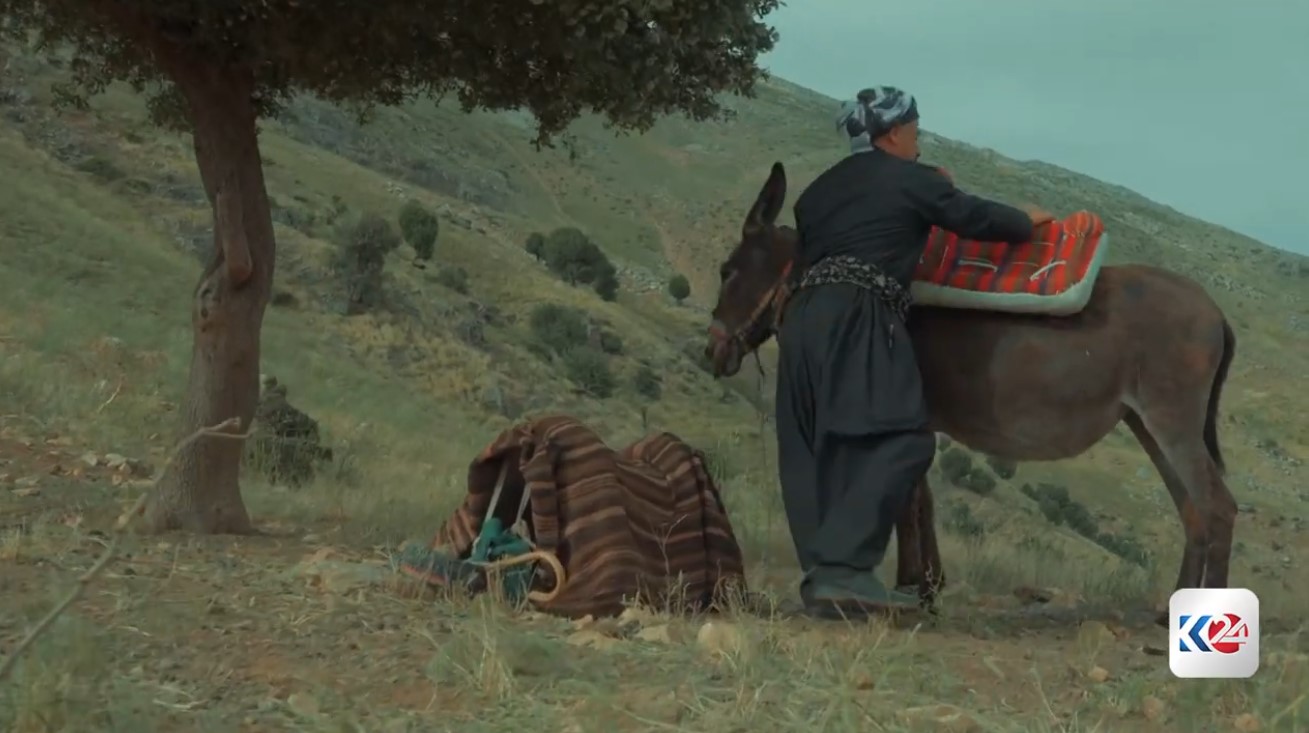
Hamad argues that despite the widespread proliferation of automobiles, the reliance on beasts of burden remains a fundamental aspect of rural existence, particularly for the seasonal movement to mountain summer pastures.
He emphasizes that rural life in the region’s rugged terrain cannot be effectively managed without the utility of a mule or a donkey.
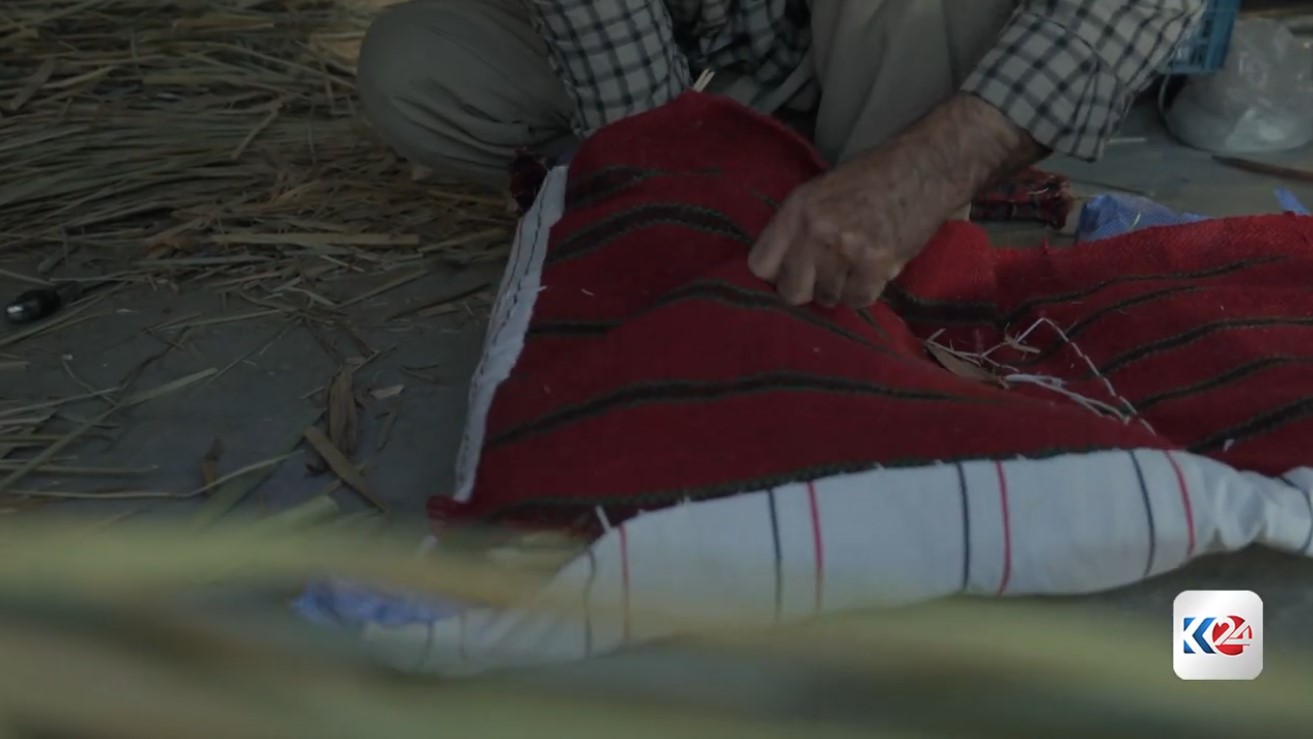
For breeders like Hamad, a high-quality saddle remains an essential element of their operation, vital for protecting their animals from wounds and extending their working lives. He notes that the lifespan of a saddle typically ranges between one and two years depending on the intensity of use, ensuring a recurring, if diminished, need for Mr. Awla’s services.
Yet, even as he affirms the necessity of the saddle, Hamad points to the erosion of the broader culture of animal husbandry.
He recalls traditional tools which were once commonplace but have now vanished entirely, victims of changing ways of living and the decline of industries associated with livestock breeding. The disappearance of such implements serves as a grim portent for the future of the saddle itself.
Today, the profession of sewing the saddle stands at a precarious crossroads in Hajiawa.
Caught between the lack of market demand, the fundamental changes in the lifestyle of the Kurdish countryside, and the scarcity of natural materials driven by climate change, the craft is threatened with extinction.
While it carries immense heritage and social value, representing a tangible link to the history of the region’s countryside, the workshop of Ibrahim Awla operates against the grain of time, preserving a legacy that fewer and fewer heirs are waiting to claim.