Eco Iraq Data Reveals Deep Structural Flaws in National Grid, 22,000 MW Deficit Persists
Data from Eco Iraq shows Iraq's electricity production covers only 28,000 of 50,000 MW demand, leaving a 22,000 MW deficit despite 5.6 trillion dinars spent, while the KRG's Runaki project provides 24-hour power to 4.5 million residents.
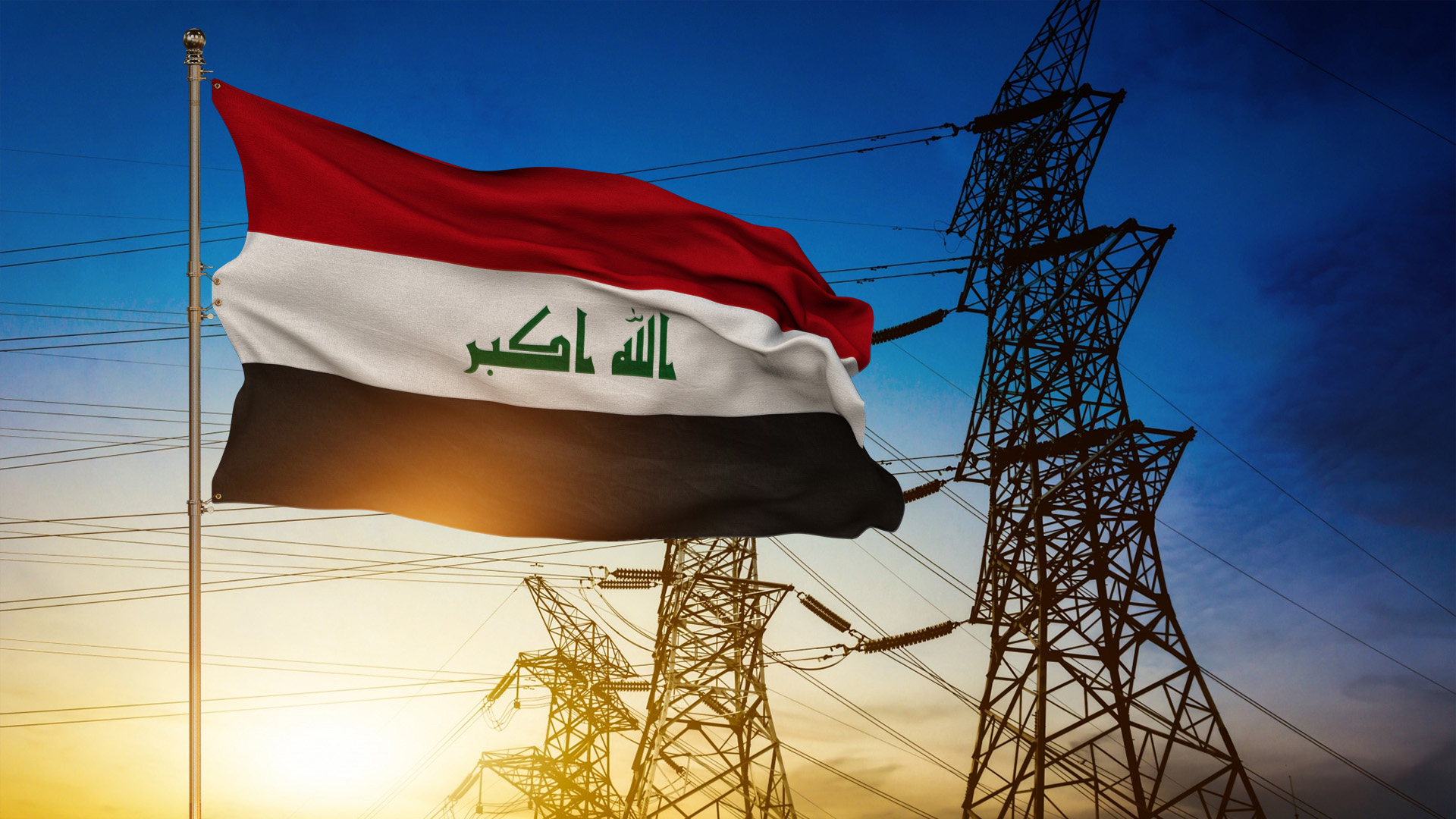
ERBIL (Kurdistan24) - Iraq has spent approximately 5.6 trillion Iraqi dinars on electricity production up to September 2025, yet current output still covers only about half of the country’s actual demand, according to data released by the Eco Iraq Observatory. The findings underscore the depth of Iraq’s long-standing electricity crisis, marked by supply gaps, repeated outages, and structural inefficiencies, even as a contrasting experience emerges just kilometers away in the Kurdistan Region.
In a detailed statement, Eco Iraq reported that peak electricity production in Iraq has reached around 28,000 megawatts, while national demand stands at nearly 50,000 megawatts. This leaves a deficit of roughly 22,000 megawatts, explaining the persistence of power cuts across large parts of the country despite sustained government spending.
The observatory noted that Iraq ranks among the countries with the lowest electricity tariffs globally, placing seventh worldwide and second in the Arab world. Residential electricity prices average about 1.5 US cents per kilowatt-hour, while commercial tariffs stand at approximately 4.6 cents. While low prices ease the burden on consumers, the report highlighted that they also reflect heavy state subsidies amid high production costs.
Heavy Dependence on Fossil Fuels
According to the data, Iraq’s electricity sector remains overwhelmingly dependent on fossil fuels, which account for 98 percent of total generation. Investment power stations contribute 36 percent of output, followed by gas-powered plants at 35 percent and steam stations at 19 percent. Imported electricity—sourced from the Kurdistan Region, Iran, Jordan, and Turkey—accounts for six percent, while diesel stations contribute two percent. Renewable energy, including hydropower and solar, makes up only two percent of total production.
Eco Iraq emphasized that most of the electricity budget is consumed by operational costs rather than long-term development. Of the 5.598 trillion dinars allocated to the Ministry of Electricity, more than 3.7 trillion dinars went to commodity and fuel purchases, while investment spending stood at 626 billion dinars. Maintenance and capital expenditures accounted for only a marginal share.
The observatory warned that without comprehensive reforms—ranging from consumption rationalization and addressing grid violations to modernizing transmission and distribution networks—the electricity crisis will persist. It also cautioned that weak institutional performance and administrative leniency continue to exacerbate supply instability nationwide.
A Contrasting Model in the Kurdistan Region
In stark contrast, the Kurdistan Regional Government (KRG) has announced that nearly 4.5 million citizens now receive uninterrupted, 24-hour national electricity under the Runaki project, according to the KRG Ministry of Electricity. As of Nov. 5, 2025, continuous power supply has been extended across major cities and districts, including Erbil, Sulaimani, Duhok, Halabja, Zakho, Soran, and Ranya.
Launched in October 2024 by Kurdistan Region Prime Minister Masrour Barzani, the Runaki project aims to achieve full 24-hour electricity coverage for all residential and commercial areas by the end of 2026. Officials say the initiative has already transformed the Region’s energy landscape, ending decades of dependence on private diesel generators.
While Iraq as a whole continues to grapple with a wide gap between electricity supply and demand, the Kurdistan Region’s experience illustrates how targeted reforms, infrastructure investment, and policy continuity can yield tangible results. As the Runaki project advances toward its 2026 goal, officials say it now stands as one of the most transformative public service achievements in the Region’s modern history.
The contrast highlights a central challenge for Iraq’s energy future: translating high spending into reliable service. As Eco Iraq’s data makes clear, addressing structural inefficiencies and rebalancing priorities toward investment and modernization remain critical if the country is to move beyond chronic power shortages and meet the needs of its citizens sustainably.