Duhok Launches New Year Festival With Focus on Youth Employment and Economic Relief
Duhok's New Year festival features 120 companies and 100 tents, creating 300 jobs for youths while offering discounted domestic goods to support locals.
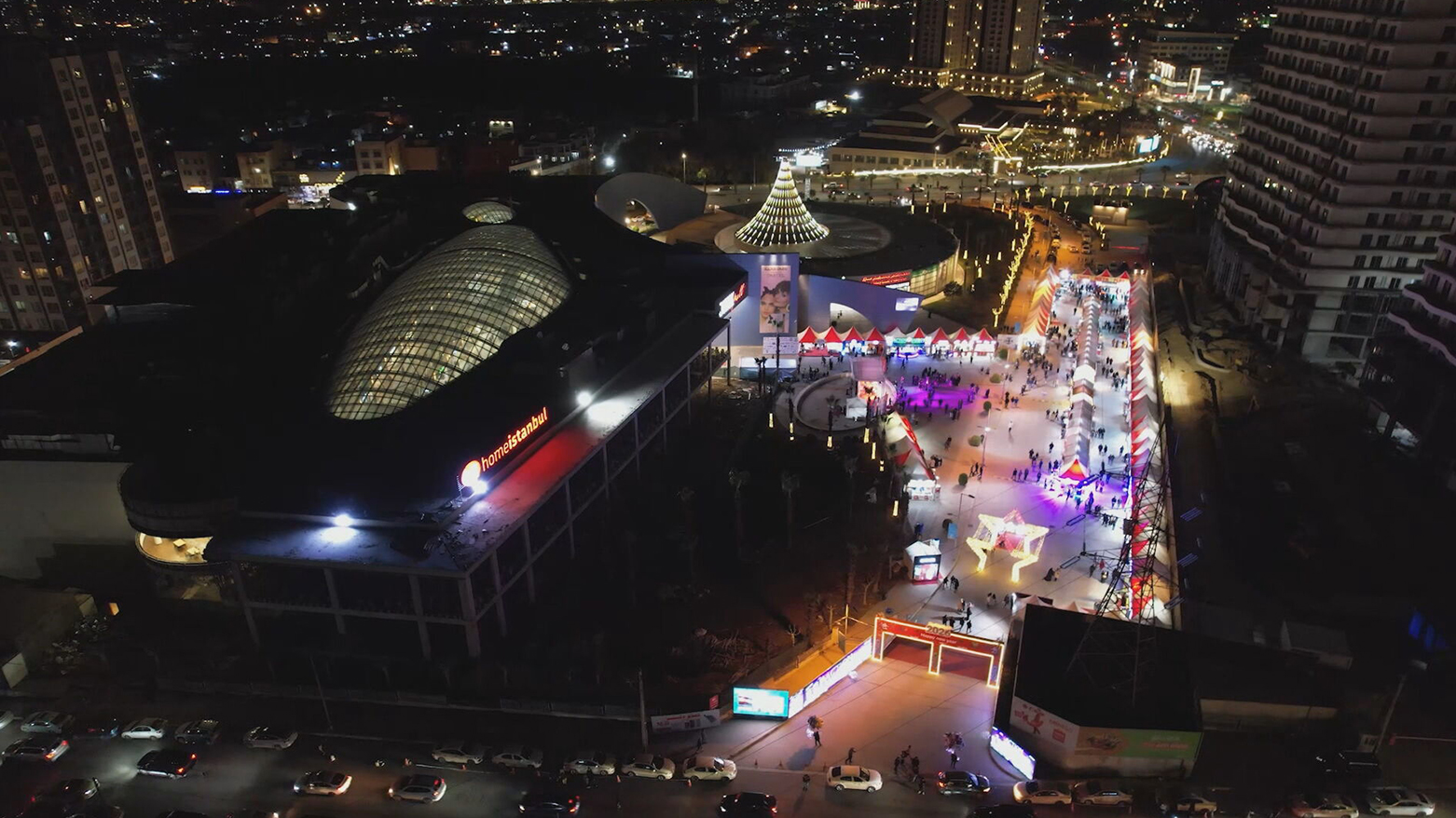
ERBIL (Kurdistan24) — Authorities in the city of Duhok have inaugurated a sprawling commercial and cultural festival designed to coincide with the upcoming New Year celebrations, an initiative that organizers state has generated hundreds of employment positions for local youth while providing consumers with access to discounted goods amidst prevailing economic conditions.
According to a report by Kurdistan24's correspondent Bewar Hilmi, the festival has transformed a section of the city into a bustling marketplace, featuring the participation of approximately 120 companies.
The event, which blends festive preparations with commerce, involves a mix of local and foreign enterprises, underscoring the city's role as a regional hub for trade and cultural exchange during the holiday season.
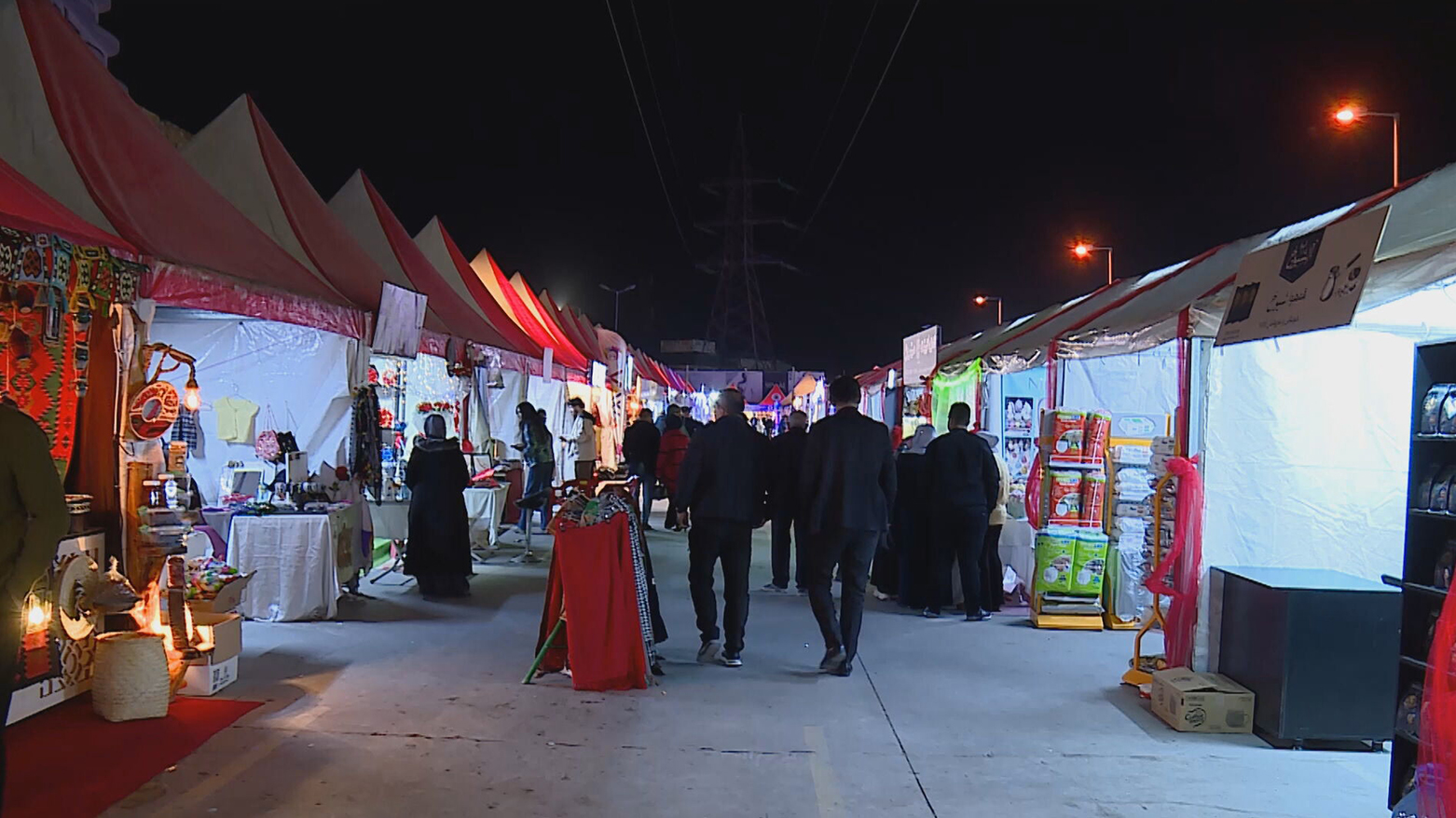
Organizers have erected more than 100 tents to house the various displays, creating a temporary commercial district dedicated to showcasing a wide array of goods ranging from domestic products to traditional handicrafts.
The initiative is being framed by local officials not merely as a celebration, but as a vital economic intervention.
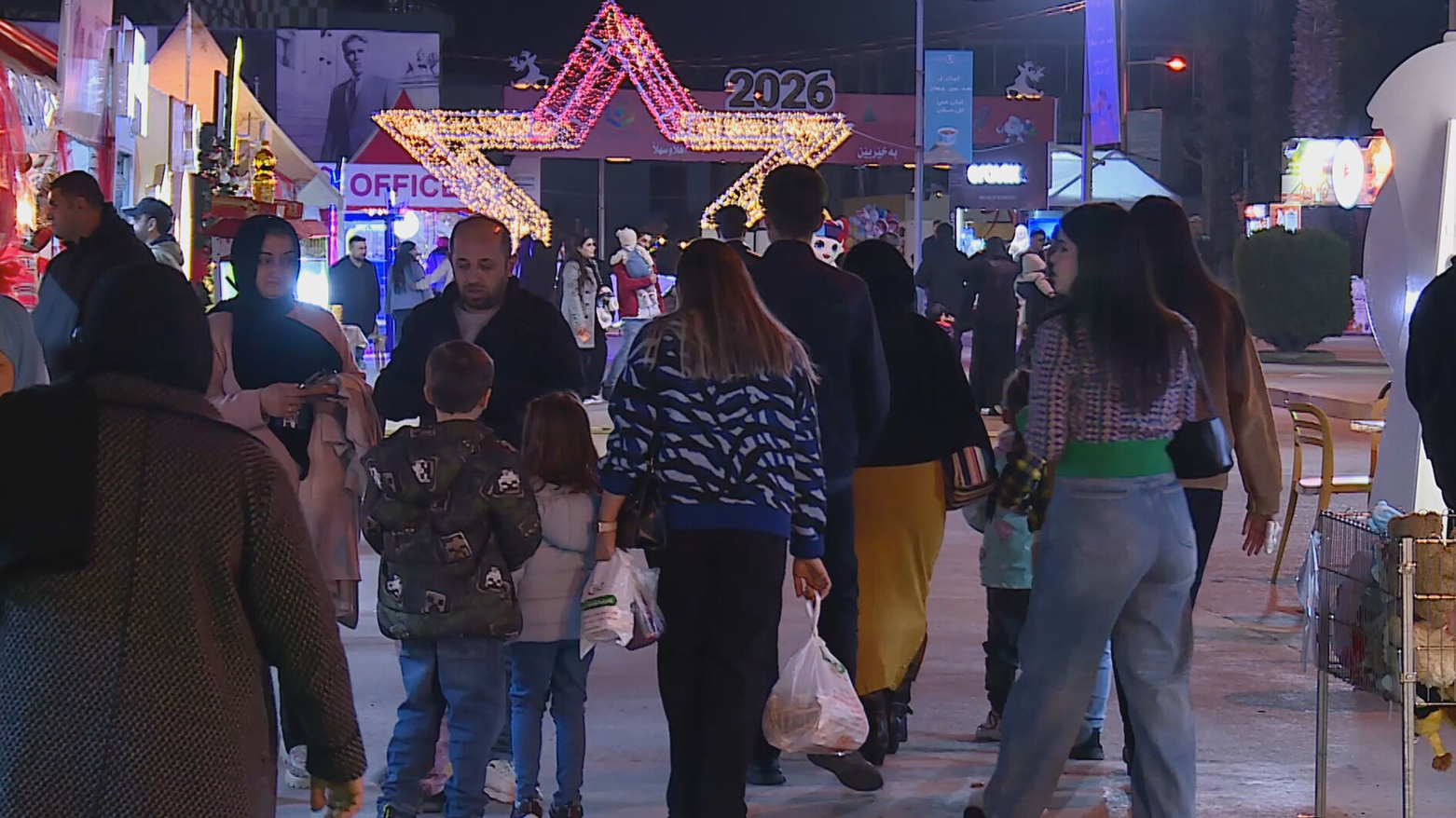
Mohammed Salman, the spokesperson for the festival, clarified the dual goals of the activity in comments to Kurdistan24. He emphasized that the primary objective was to assist the local population in managing their living conditions during the holiday period.
"Our goal was to organize a festival this New Year that features good discounts, to assist people due to their living conditions; therefore, all participants are selling their goods at prices lower than the market," Salman said.
This focus on affordability is paired with a direct effort to combat unemployment among the region's younger demographic.
Salman confirmed that the logistical and operational demands of the festival have resulted in the creation of 300 job opportunities. These positions are being filled by youths and residents of the area, providing a temporary but significant boost to household incomes as the year draws to a close.
"More than 300 youths, both young men and women, are working here," the spokesperson noted, highlighting the inclusive nature of the hiring practices.
The festival has provided a tangible platform for small-scale entrepreneurs and artisans to bypass traditional barriers to market entry.
Among the participants is Bafrin Mohammed, known locally as Mother of Tavrin, who has set up operations within the festival grounds to bake bread and prepare traditional Kurdish foods.
Her experience illustrates the multiplier effect of such economic initiatives; Bafrin told Kurdistan24 that her stall has allowed her to employ four other women to work alongside her. She described the festival as a "new commercial door" that has been opened to them, offering a venue to generate revenue and sustain their livelihoods.
The event also serves as a crucial bridge for businesses transitioning from digital platforms to physical retail.
Rozhan Abdulbaqi, an entrepreneur who primarily conducts her business online, indicated that the festival has provided a rare opportunity for direct customer engagement. She noted that her participation has allowed potential clients to examine her natural products up close, a tactile experience that is impossible in the digital marketplace.
According to Ms. Abdulbaqi, this direct interaction has resulted in customers being "happy" with the quality of the goods, which has subsequently had a positive effect on her sales figures.
Aswan Hashim, another participant interviewed by Kurdistan24, emphasized the structural importance of these events for the local economy.
Hashim argued for the continuity of such activities, viewing them as essential infrastructure for labor and commerce. "This is a gateway for people to work, because many people find work here or display their products such as food, flowers, and handicrafts," he said.
His comments reflect a broader sentiment among participants that the festival functions as a vital ecosystem for trade, allowing for the circulation of goods that might otherwise lack a centralized marketplace.
The inventory available at the festival is diverse, reflecting the region's cultural heritage and commercial aspirations. In addition to the commercial goods offered by foreign companies, there is a strong emphasis on domestic products.
The tents feature traditional Kurdish foods, flowers, and various handicrafts, marking the event as an important step for marketing domestic products to a wider audience.
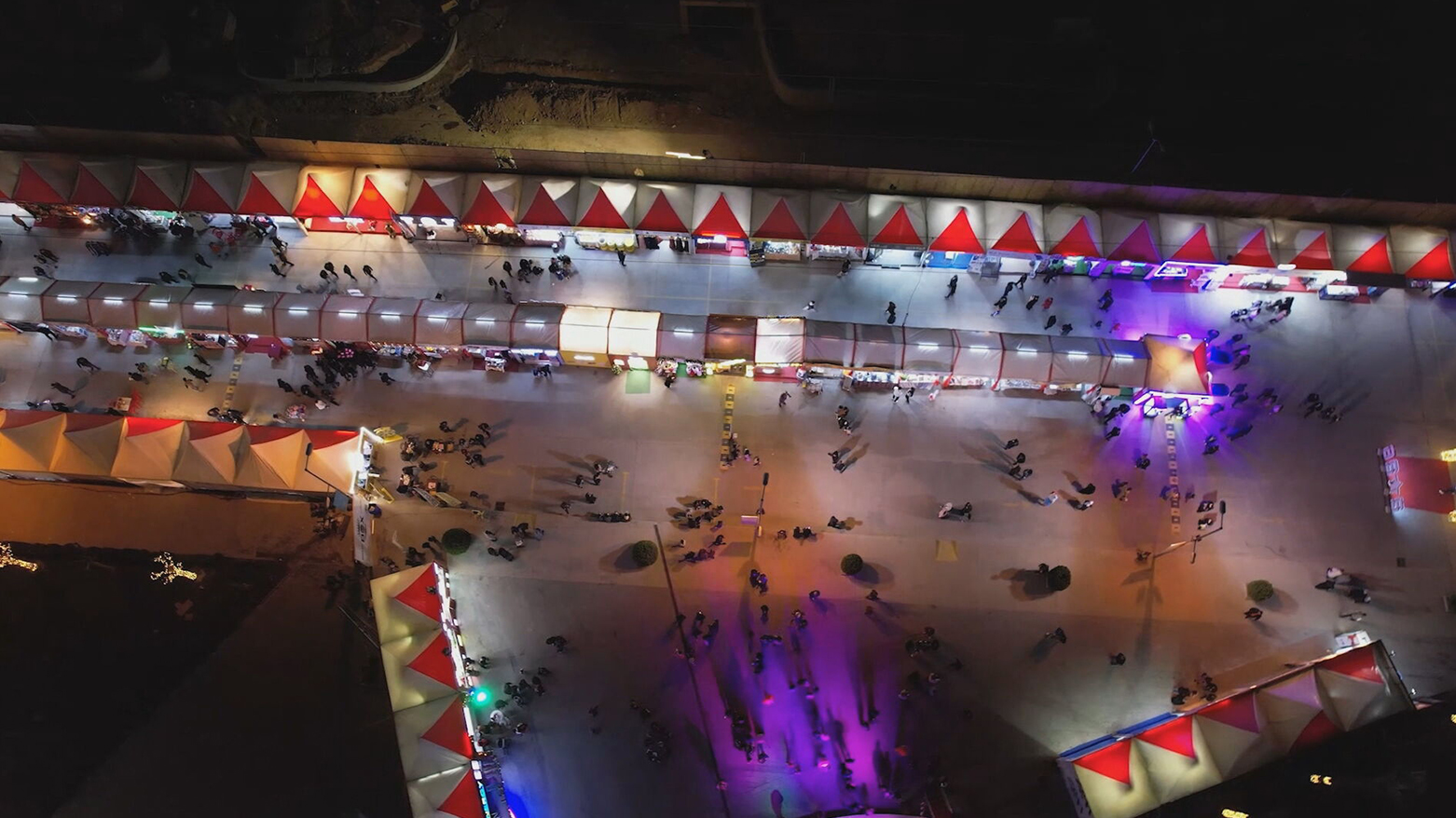
The festival is scheduled to continue operations until the New Year, offering a sustained window for residents to take advantage of the reduced prices on items and necessities. By securing "major discounts" from participating vendors, the organizers hope to alleviate the financial burden on families preparing for the holidays.
Ultimately, the event represents a convergence of cultural celebration and economic pragmatism.
While it serves as a source of happiness for the youths for whom job opportunities have been created, it also acts as a stabilizer for the local market, ensuring that the transition into the New Year is marked by both commercial activity and community support.