Curfew Imposed in Syrian Coastal Areas Amid Sectarian Violence and Security Crackdown
Syrian authorities imposed a night-time curfew in Latakia after sectarian violence, looting, and a deadly security crackdown on Alawite protests following a mosque bombing in Homs.
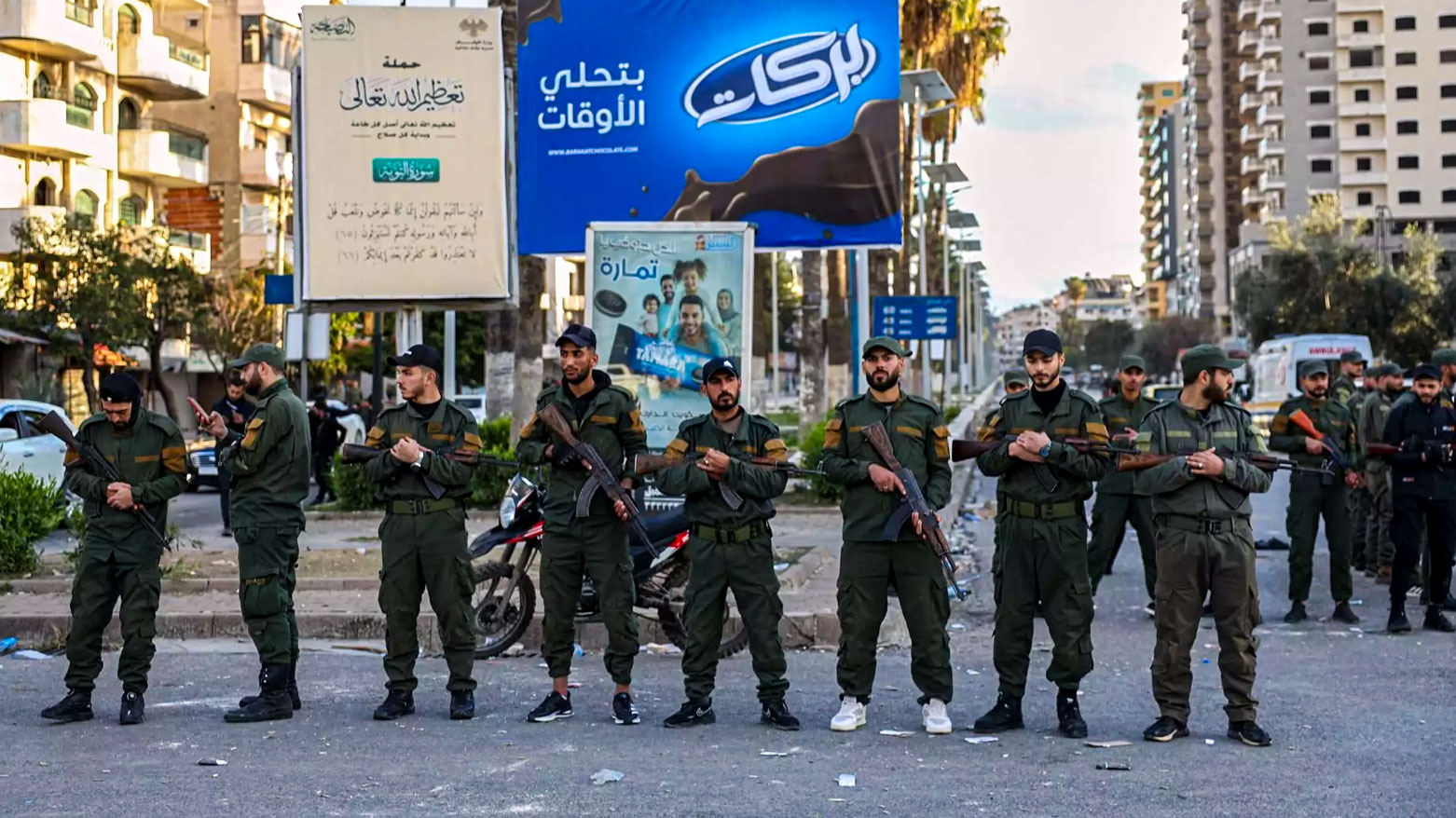
ERBIL (Kurdistan24) - Armored vehicles rolled into the streets of Latakia as authorities imposed a night-time curfew on the coastal city, following days of sectarian violence, looting, and a sweeping security crackdown targeting protests in predominantly Alawite neighborhoods.
Syria’s Interior Ministry announced a night-time curfew in the city of Latakia after a surge in sectarian violence directed against Alawite districts.
In a formal statement, the Interior Ministry said the curfew would take effect from 5:00 p.m. until 6:00 a.m., beginning on Tuesday. The ministry clarified that the measure excludes emergency cases, healthcare workers, ambulance teams, and firefighting personnel.
Authorities called on residents to comply fully with the decision and cooperate with security forces, warning that legal action would be taken against anyone violating the curfew.
The decision followed violent incidents, and attacks that erupted on Monday night, Dec. 29, in Alawite neighborhoods of Latakia, prompting Syrian authorities to adopt new security measures.
The unrest came after Sheikh Ghazal Ghazal, head of the Supreme Alawite Islamic Council in Syria and abroad, issued a video message calling on Alawites in the coastal region to take to the streets to demand “political federalism” and the “right to self-determination.”
According to the Syrian Observatory for Human Rights (SOHR), supporters of the transitional government and members of the General Security apparatus attacked demonstrators in Latakia and the nearby city of Jableh, injuring several protesters.
The violence escalated following a bombing at the Imam Ali bin Abi Talib Mosque in Homs, an Alawite place of worship. The attack, claimed by a group calling itself “Saraya Ansar al-Sunna,” killed eight people and wounded eighteen others.
After the bombing, looting attacks were reported in Alawite neighborhoods in Latakia, with civilian property damaged and vehicles vandalized. Although official government statements claimed that calm had been restored, the curfew and security deployments suggested continued instability and fears of sectarian escalation.
SOHR reported that Syrian security forces killed at least two people while dispersing peaceful Alawite demonstrations across coastal and central regions. A medical source told AFP that two bodies were transferred to a local hospital. Syrian authorities did not confirm the use of live fire, stating instead that the situation had been “contained” and accusing what they described as “remnants” of the former government of Bashar al-Assad of attacking security personnel.
According to SOHR, security forces deployed armored vehicles around al-Azhari roundabout in Latakia, while in Jableh, firefighters used water cannons to disperse demonstrators. The observatory alleged that security forces staged “mock clashes” and presented them as confrontations with former regime elements to justify dispersing unarmed protesters.
Thousands of Alawites reportedly participated in demonstrations protesting what they described as violations and crimes committed against their community. In Tartus, protesters were subjected to live gunfire and tear gas along main roads, resulting in numerous injuries.
As curfews tighten and competing narratives emerge, Latakia remains on edge, with sectarian tensions, security measures, and public anger converging in one of Syria’s most fragile coastal regions.